
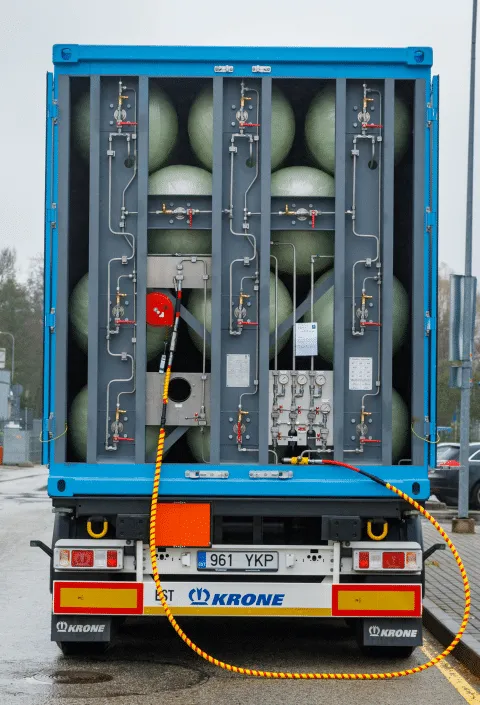
Most of the conversation about renewable energy focuses on the production side — wind, solar, biogas digesters. The reason production gets all the attention is that distribution is invisible when it works, and only obvious when it doesn’t. CNG storage is a quietly load-bearing piece of the renewable-energy supply chain, particularly for biogas: without it, biomethane has nowhere to go.
Biogas needs a route to market
Biogas is methane-rich gas produced from organic waste — agricultural residue, food waste, sewage, landfill. After upgrading, it becomes biomethane, chemically identical to fossil natural gas. The problem is that most biogas plants are not next to a gas pipeline. The producer is on a farm or beside a wastewater plant; the customer is in a city or an industrial estate. Closing that gap is what CNG storage and transport solves.
How CNG storage moves biomethane
MEGC containers and tube-trailers fill at the digester (typically at 200–300 bar after on-site compression), travel by road or rail, and unload at a grid-injection point or a customer site. The cylinder set is the same as for fossil CNG; only the source of the gas differs. That commonality is what makes biomethane easy to integrate: existing CNG fueling infrastructure runs biomethane without modification.
The environmental story
Two things compound. Biogas captures methane that would otherwise escape to atmosphere — a greenhouse gas roughly 28× more potent than CO₂ over a 100-year horizon. Burning that methane converts it to CO₂ and water, lowering its warming impact. Doing so as a vehicle or process fuel displaces fossil-derived alternatives, which lowers emissions a second time. The combined cycle is one of the highest-leverage greenhouse-gas-reduction pathways available outside power-sector decarbonisation.
Where stationary storage matters
Mobility is one half. The other is storage at the customer end — buffer cylinders at fueling stations, industrial users, and grid-injection points that smooth the difference between truck deliveries and continuous demand. Type-1 or Type-2 stationary cylinders typically dominate here; the weight penalty doesn’t matter when the vessel is bolted to the ground.
The longer view
As demand for clean energy keeps rising, so does the need for off-pipeline distribution. Pipelines reach a fraction of the locations that need gas; CNG transport reaches the rest. The network of digesters, upgrading plants, MEGC containers, and stationary storage will keep growing alongside the renewable-production capacity. If you’re scoping a piece of that picture — production, transport, or end-use — our product range covers the cylinder side; a scoping conversation takes care of the rest.
Related reading
Energy
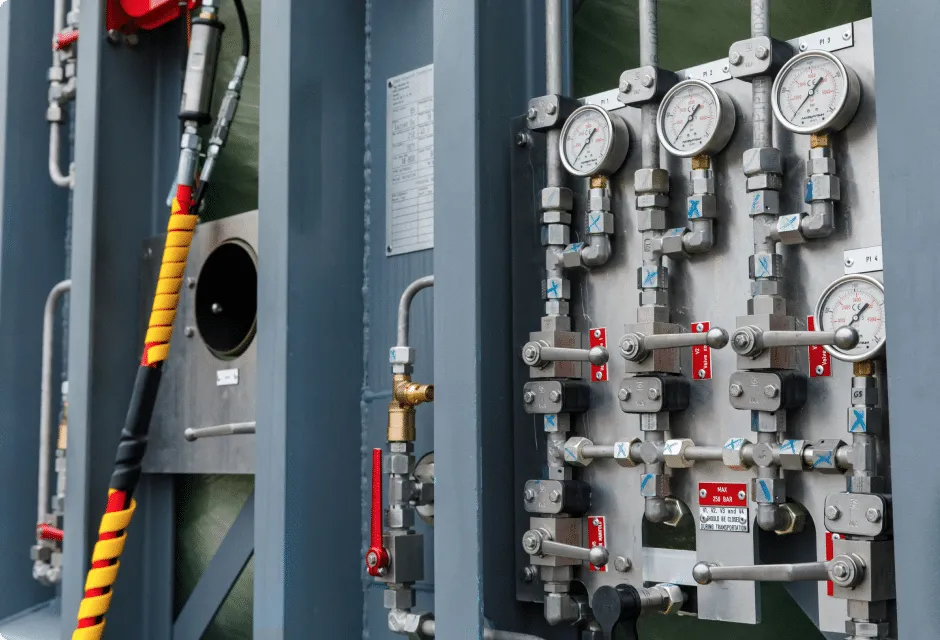
CNG cylinder transportation safety guidelines
Practical guidelines for transporting CNG cylinders safely, including pre-trip inspection, secure packaging, labelling, and ventilation checks.
Energy
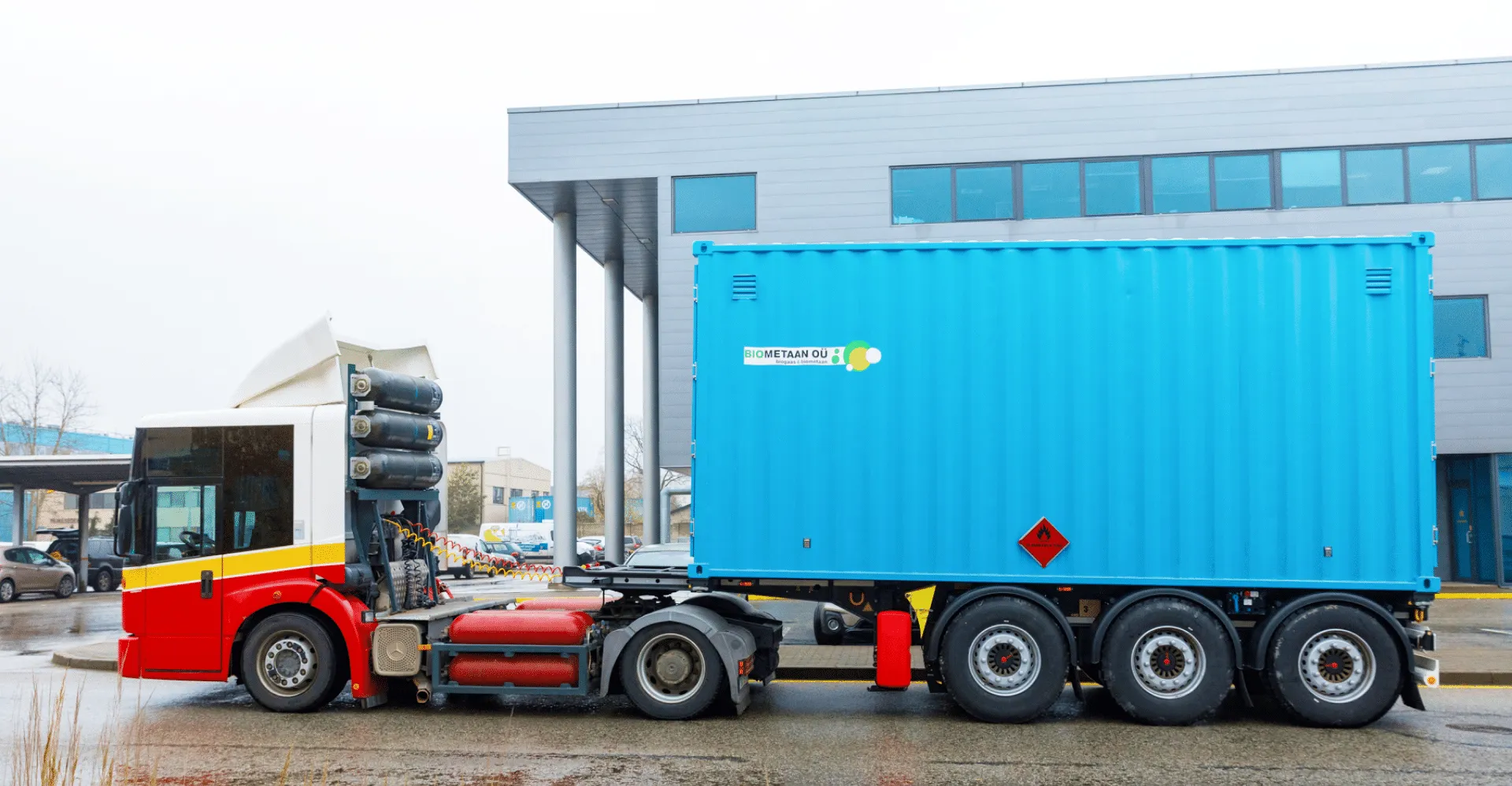
CNG and hydrogen container solutions — the Gaznet range
Why Gaznet specifies UMOE Advanced Composite Type-IV cylinders for CNG, biogas, and hydrogen containers, including certification and lifecycle cost.
Energy
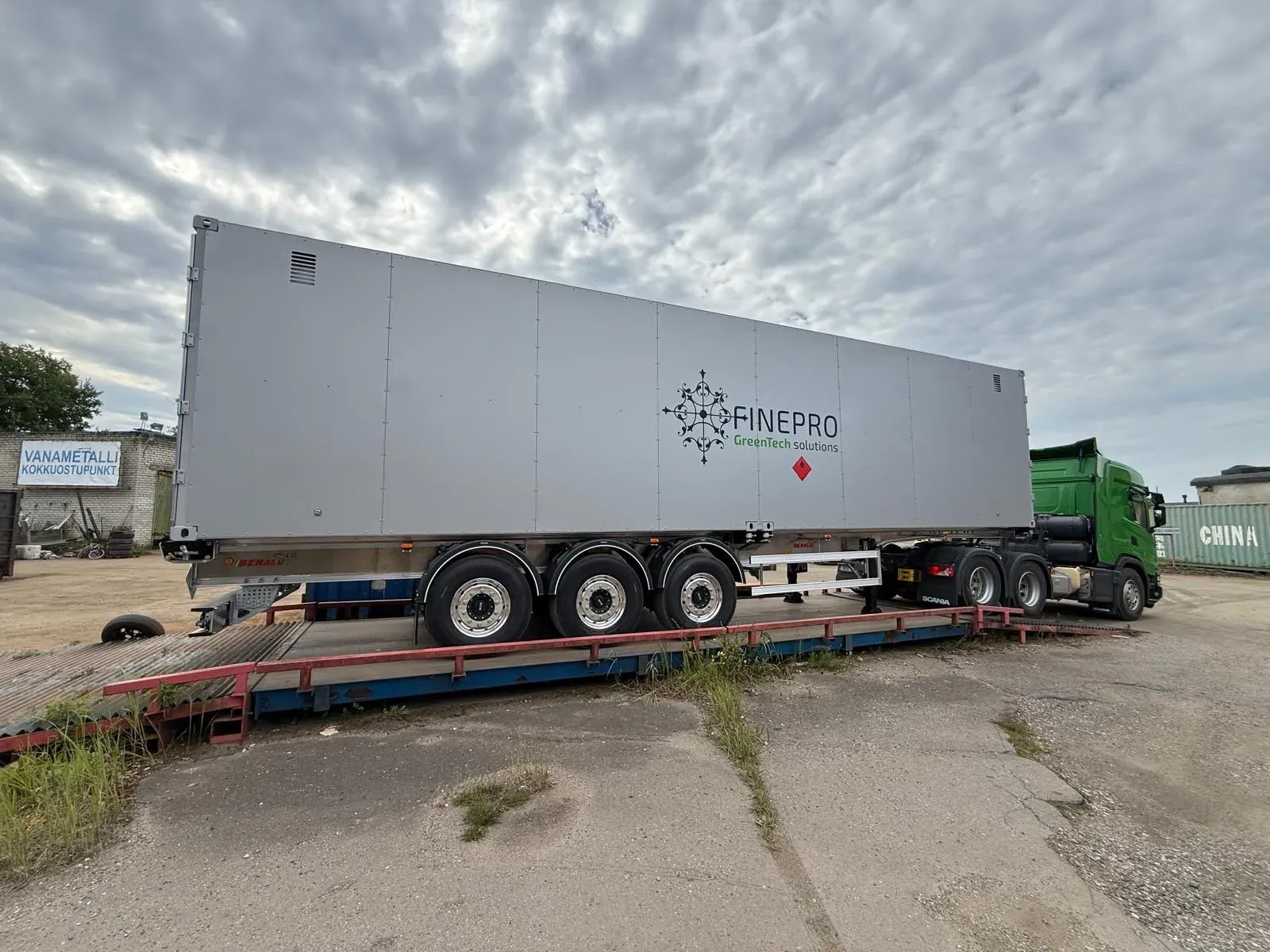
20 ft vs 40 ft MEGC: where the money actually is
The 40 ft MEGC is not cheaper per Nm³ to buy — cylinders are 75% of the cost and scale linearly. Its entire advantage is in the truck. Here is the break-even.
Talk to our engineers
From CNG and biomethane to hydrogen — we'll scope your project and reply within one working day.