
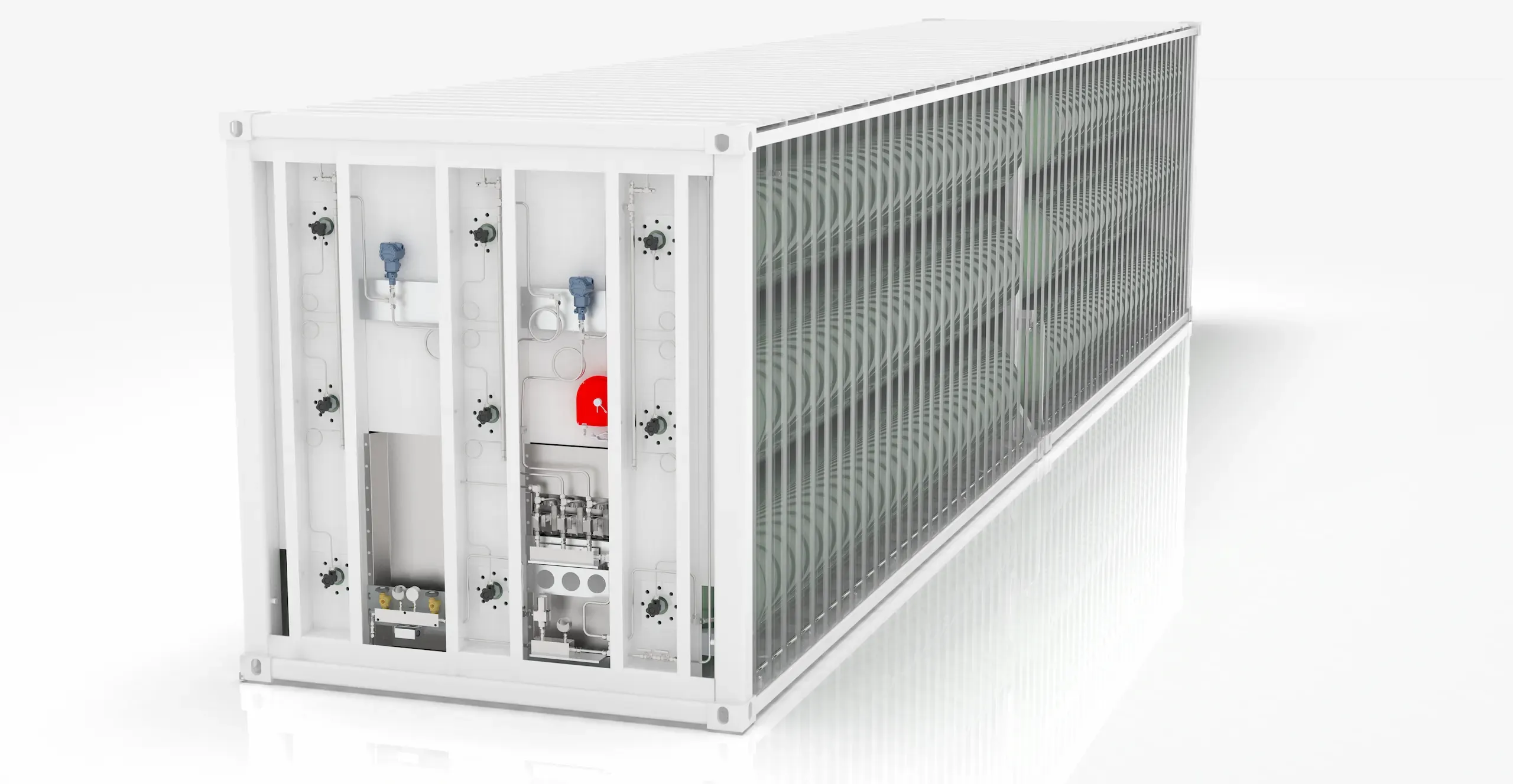
What is a Multi Element Gas Container?
A Multi Element Gas Container — MEGC — is a transport assembly that bundles several high-pressure cylinders inside a single steel frame so a truck, rail wagon, or vessel can move large volumes of compressed gas in one move. The cylinders are typically composite (Type-4) or steel, and the frame size matches standard ISO container footprints so the unit drops onto the same chassis you would use for any other freight container. Each MEGC is rated for the gas it carries — CNG, biomethane, hydrogen, or industrial gases — and certified to the international safety standards that apply on the route it travels (ADR for road, RID for rail, IMDG for sea).
Why operators choose an MEGC over fixed storage
Pipelines deliver gas everywhere they reach. Where they don’t, an MEGC is the practical alternative: it’s mobile, it’s modular, and it carries enough volume to keep an industrial site, a fueling station, or a remote installation supplied without a permanent connection. That makes them a cornerstone of CNG and hydrogen distribution where networks are still being built — or where distance, terrain, or temporary demand make a fixed pipeline uneconomic.
Benefits
- Capacity — bundling many cylinders in one frame moves more gas per trip than single-cylinder shipments, which lowers cost-per-kilogram.
- Multi-modal compatibility — the same MEGC can travel by road, rail, and sea without unloading the gas.
- Safety pedigree — every cylinder and the frame itself are tested against the relevant international codes; the assembly is designed to fail safe under fire, fatigue, and overpressure conditions.
- Operational flexibility — units can be repositioned with the demand cycle, swapped between sites, or held as on-call backup for industrial users.
Who uses MEGC containers
The customer profile is broad: industrial sites that need a continuous supply of process gas, fueling station operators serving CNG vehicle fleets, hydrogen pilot projects, and energy traders moving gas between markets. As the rollout of cleaner fuels accelerates, MEGCs are increasingly the link between production sites — biogas plants, electrolysers, gas wells — and the customers who consume what they produce.
If you’re scoping a project, our product range covers MEGC variants for CNG, biomethane, and hydrogen along with the tube-trailer and mobile filling station options that share the same composite cylinder programme.
Related reading
Energy
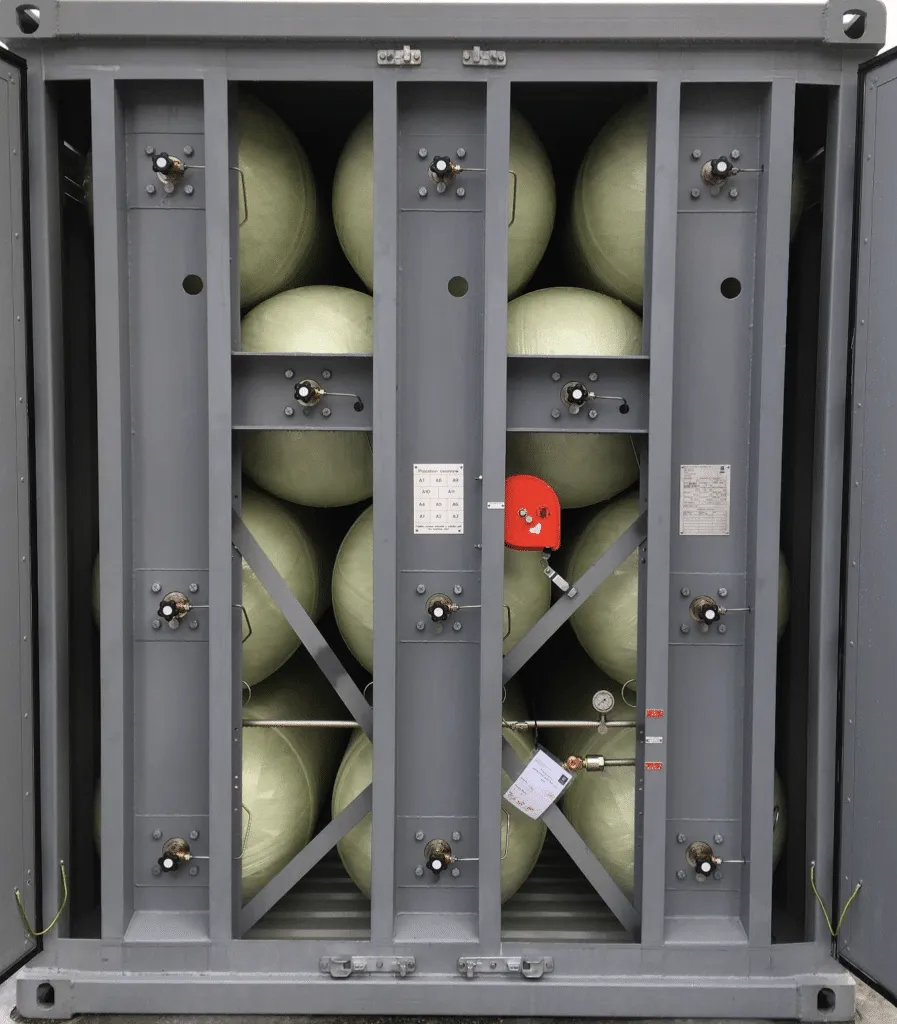
Hydrogen storage and transportation
Practical options for hydrogen storage and transport — gaseous vs liquid, cylinder types, MEGC and tube-trailer logistics, and where each option fits.
Energy
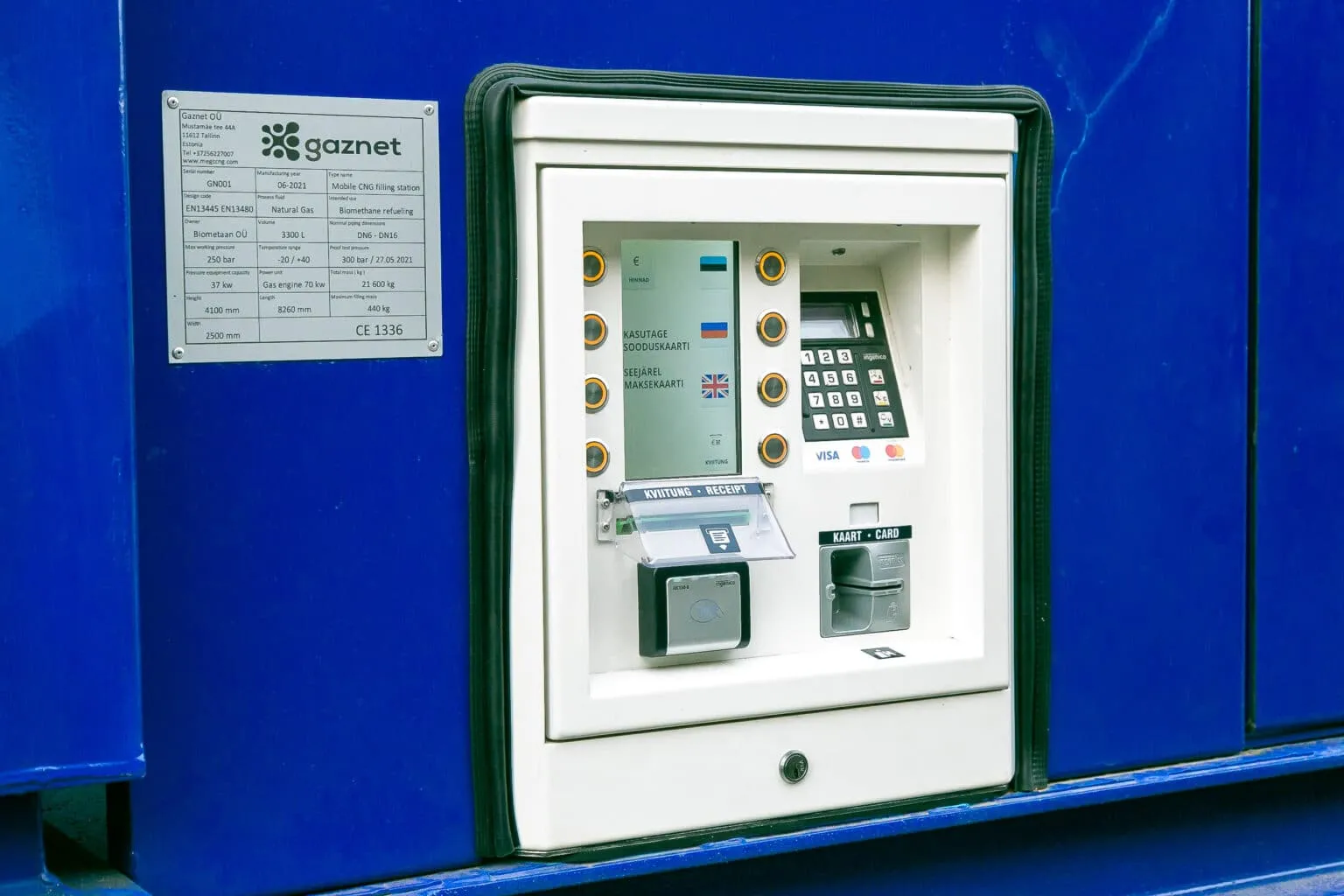
CNG economics: cost analysis and savings
Why CNG can be cheaper to run than diesel or petrol, including fuel pricing, vehicle maintenance, sector ROI, and MEGC container distribution.
Energy
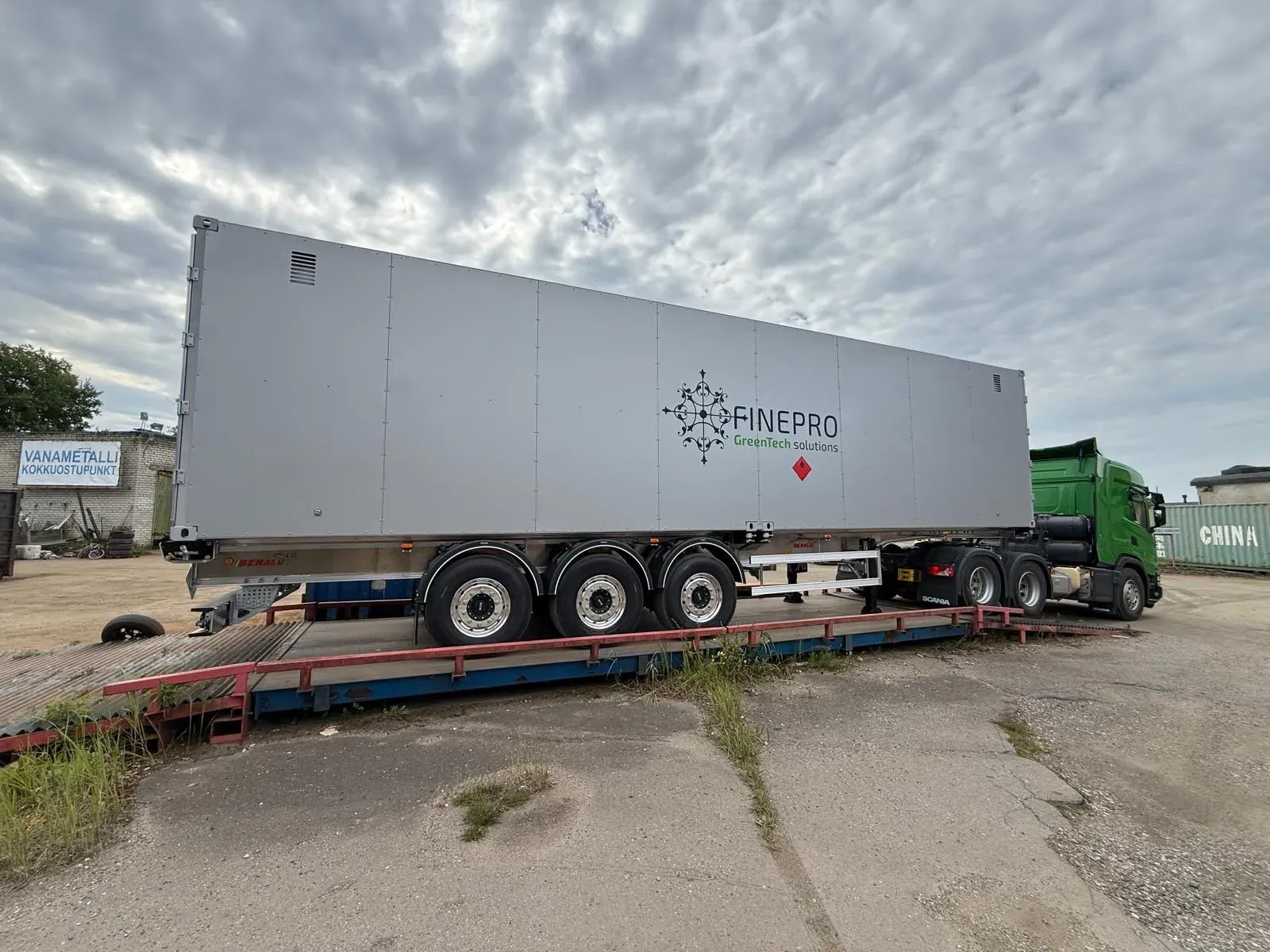
20 ft vs 40 ft MEGC: where the money actually is
The 40 ft MEGC is not cheaper per Nm³ to buy — cylinders are 75% of the cost and scale linearly. Its entire advantage is in the truck. Here is the break-even.
Talk to our engineers
From CNG and biomethane to hydrogen — we'll scope your project and reply within one working day.