
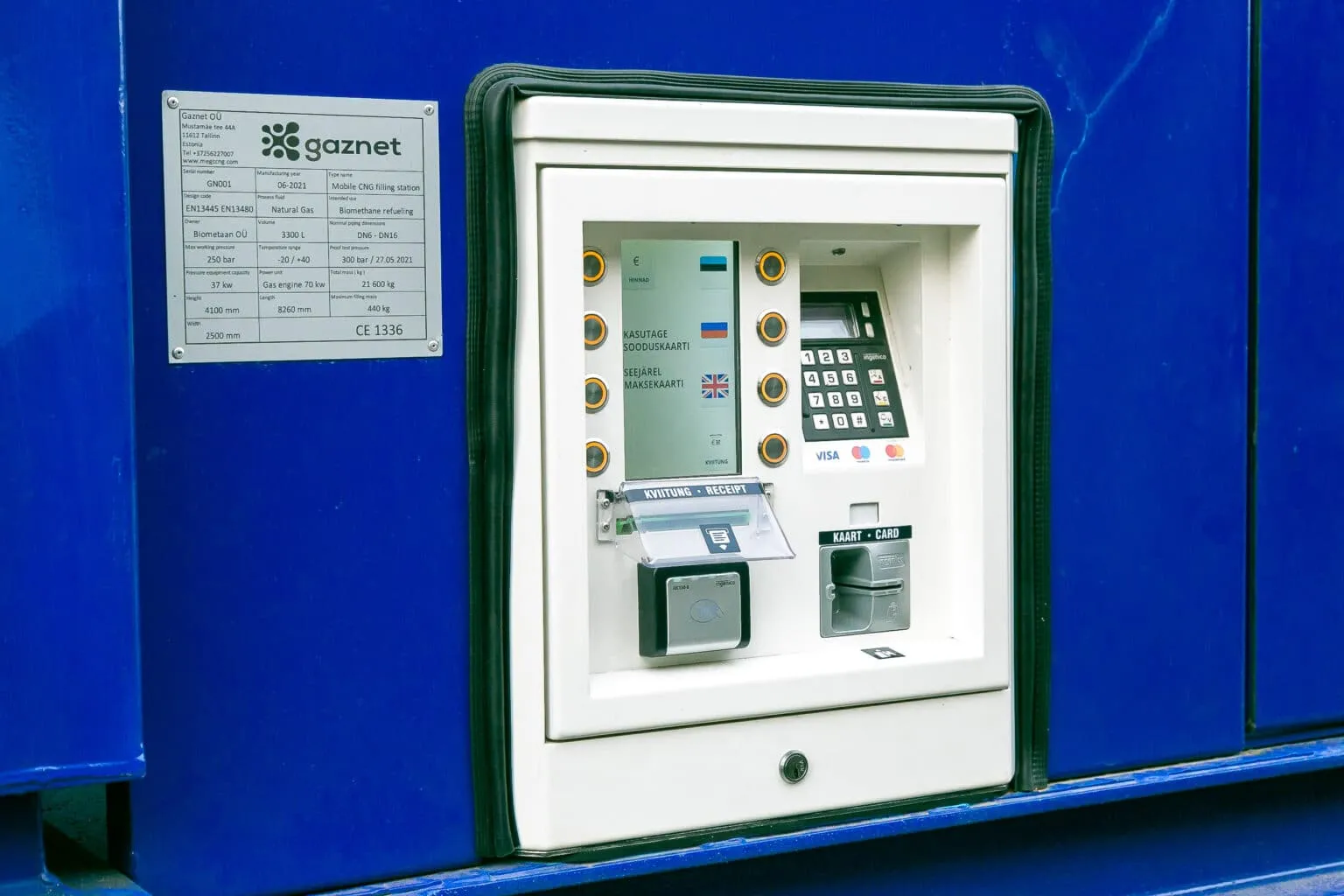
Compressed Natural Gas competes with petrol and diesel on two fronts: it is cleaner to burn, and — more relevant to most operators — it is cheaper to run. Natural-gas pricing tracks pipeline supply rather than the crude-oil cycle, so the per-energy-unit cost is more stable and usually lower. That stability matters as much as the headline price: it makes long-term fleet and industrial budgets easier to defend.
Fuel cost vs petrol and diesel
For high-mileage operations the gap shows up quickly. Public-transport fleets, last-mile delivery vehicles, and long-haul trucks consume enough fuel that single-digit-percent savings per litre-equivalent compound into meaningful annual numbers. CNG is also exempt from a number of the excise structures applied to liquid fuels in some jurisdictions, which widens the gap further.
Maintenance economics
CNG burns cleaner than diesel, which translates into less particulate buildup on engine internals and longer service intervals. Engine and exhaust components last longer; oil-change intervals stretch; emission-system maintenance — particularly diesel particulate filters and SCR systems — drops out of the cost picture entirely. Total cost of ownership over a fleet life cycle reflects all of that.
Where the savings show up
- Fleet and commercial vehicles — the operator class with the strongest ROI; high mileage + lower per-km fuel cost + lower maintenance.
- Industrial heat and process gas — predictable pricing makes manufacturing-budget planning easier than oil-indexed alternatives.
- Residential and commercial heating — per-unit-energy costs typically beat propane and heating oil, especially in regions with established gas infrastructure.
- Power generation — gas peaker plants are cleaner than coal and cheaper to run than oil, with the added benefit of fast ramp times.
The distribution piece — MEGC containers
The economics only work if the gas can reach the user. Where pipelines don’t exist, MEGC (Multi Element Gas Containers) and tube-trailers carry CNG from the source to point-of-use. That mobility is what unlocks CNG for off-pipeline industrial sites, fueling stations in newly converted regions, and biomethane producers exporting their output. Gaznet’s composite Type-4 cylinder programme is built around exactly that delivery model.
If your business is evaluating the switch — fleet, plant, or station — a scoping conversation takes about an hour and ends with a numbers-backed comparison.
Related reading
Energy
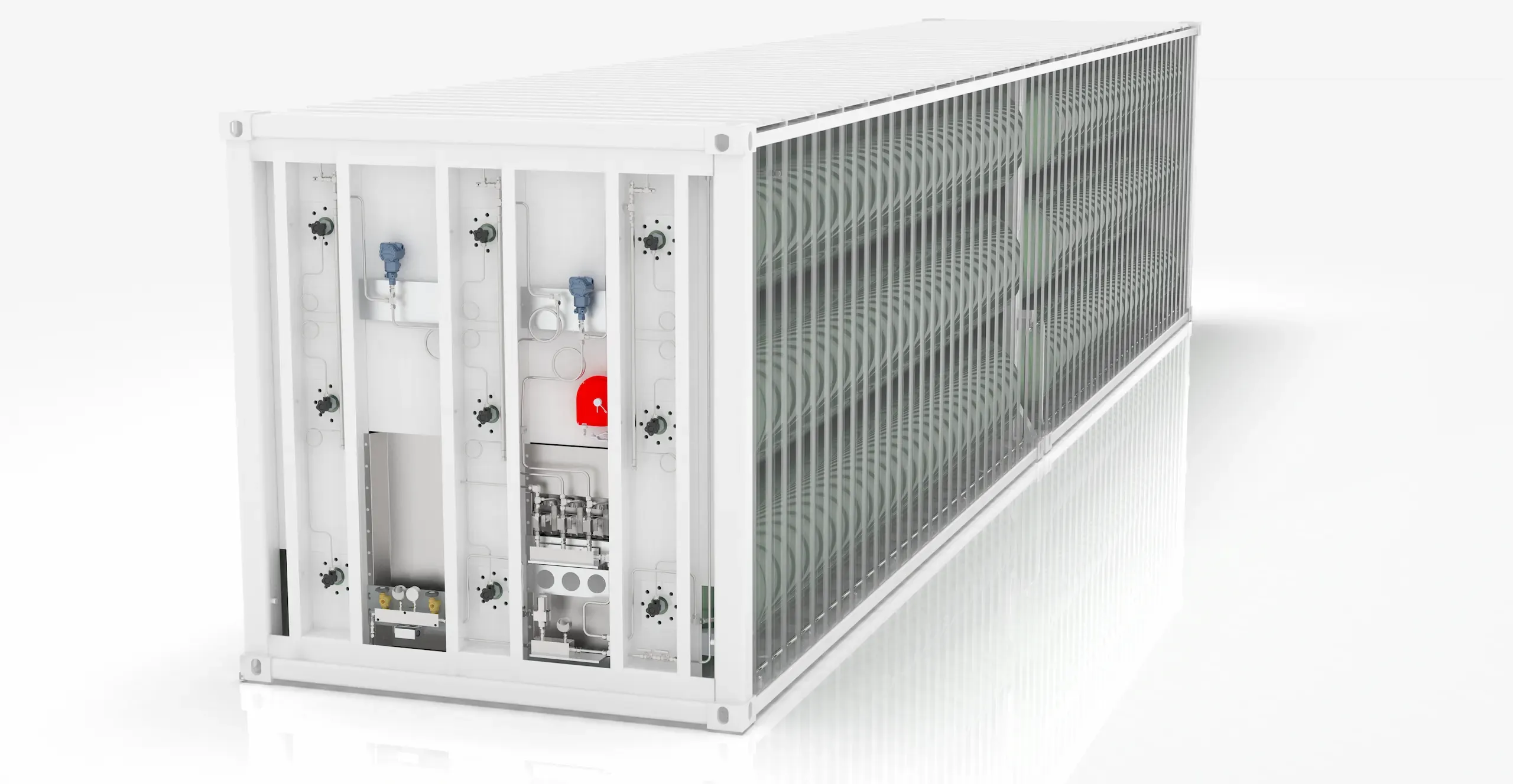
MEGC: the Multi Element Gas Container
What an MEGC is, how Multi Element Gas Containers transport CNG and hydrogen across road, rail, and sea, and why operators choose them.
Energy
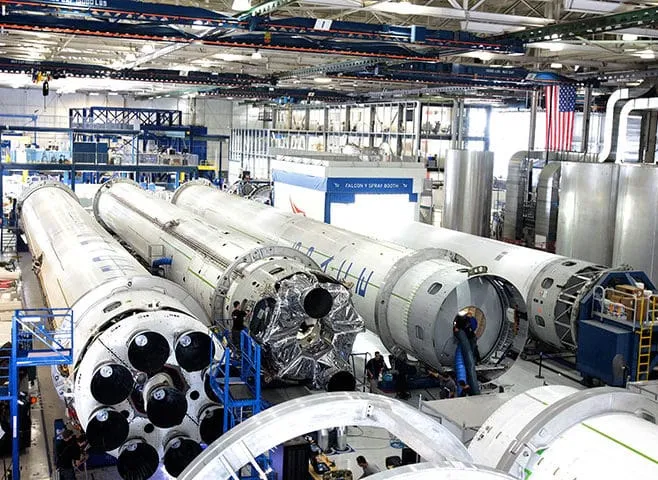
CNG cylinder recycling and end-of-life disposal
How CNG cylinders are recycled at end of life, including steel and aluminium recovery, long service life, and responsible disposal practices.
Energy
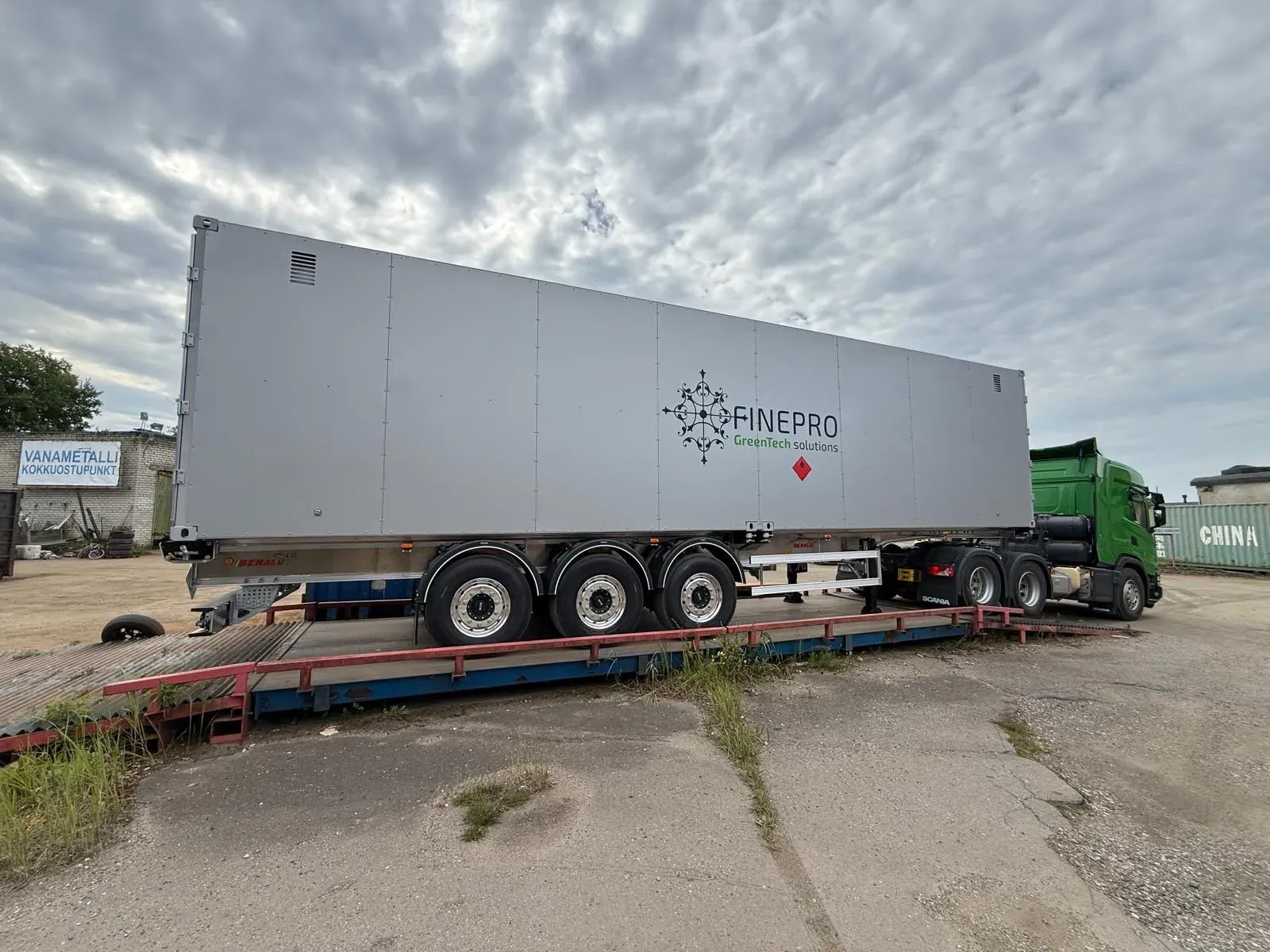
20 ft vs 40 ft MEGC: where the money actually is
The 40 ft MEGC is not cheaper per Nm³ to buy — cylinders are 75% of the cost and scale linearly. Its entire advantage is in the truck. Here is the break-even.
Talk to our engineers
From CNG and biomethane to hydrogen — we'll scope your project and reply within one working day.