
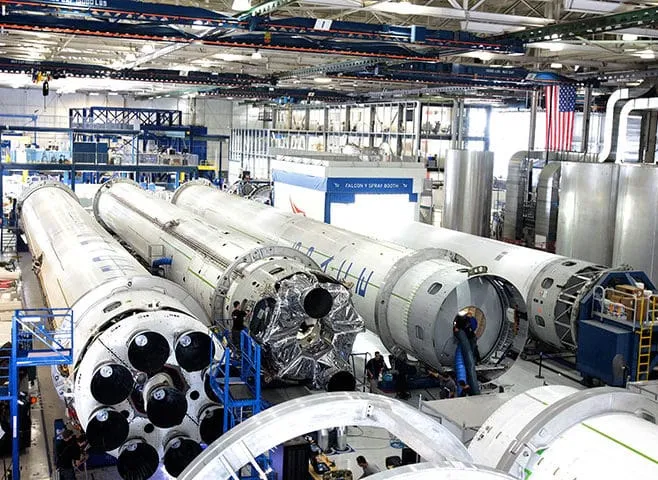
A pressure vessel is built to last decades, but it doesn’t last forever. Eventually fatigue, corrosion, or service-life regulation retires it. What happens next determines whether the cylinder is an environmental win across its full lifecycle or just a slightly cleaner version of the alternative it displaced. Done well, end-of-life cylinder management is a small but real piece of the renewable-energy story.
The first lever: long service life
The single biggest contributor to a cylinder’s lifecycle environmental footprint is how long it stays in service. A Type-IV composite cylinder, properly inspected and re-qualified, can stay in productive service for 20+ years. That kind of service life is what spreads the embodied energy of manufacture across enough operating hours to make the comparison favourable. Gaznet’s UAC composite range is built on exactly that durability premise: lightweight, corrosion-free, fatigue-rated for many cycles. Less frequent replacement means fewer cylinders manufactured.
Recovery of materials
When a cylinder eventually reaches end of life, the recoverable content depends on the construction:
- Steel and aluminium liners (Type-1, Type-2, Type-3) are recovered through standard metal-recycling streams. The metal goes back into the supply chain — same material, lower-energy production cycle.
- Composite over-wraps and Type-IV liners are increasingly captured into specialist recycling streams that recover carbon fibre, glass fibre, and resin for downstream applications. The technology is maturing fast; what was once incinerated for energy recovery is increasingly being separated and reused.
- Stainless-steel end fittings, valves, and pressure-relief devices are recovered as small-volume metal scrap.
Responsible disposal
Beyond material recovery, responsible disposal involves de-pressurisation under controlled conditions, removal of any residual gas, decommissioning of the valves, and a documented chain of custody from operator to recycler. Skipping any of those steps creates safety and environmental hazards that show up on someone else’s site weeks or months later. Gaznet supports operators on the disposal piece — when our cylinders reach end of life, we help connect to qualified recyclers in the relevant jurisdiction.
The bigger picture
Cylinder recycling is one input into a larger sustainability calculation. The headline reductions come from CNG and biomethane displacing diesel and petrol; the long service life of a composite cylinder is what amortises its embodied energy; recycling at end of life is what closes the loop. Each lever matters, and the Gaznet approach is built around all three: long-life cylinders, full certification, and end-of-life support.
If you’re planning a fleet renewal or a project changeover, a scoping conversation takes about an hour and ends with a clean lifecycle picture for the equipment you’re considering.
Related reading
Energy
CNG economics: cost analysis and savings
Why CNG can be cheaper to run than diesel or petrol, including fuel pricing, vehicle maintenance, sector ROI, and MEGC container distribution.
Energy
Three CNG cylinder safety myths explained
Three common misconceptions about CNG cylinder safety, including explosion risk, flammability, and how cylinders are engineered and tested.
Energy
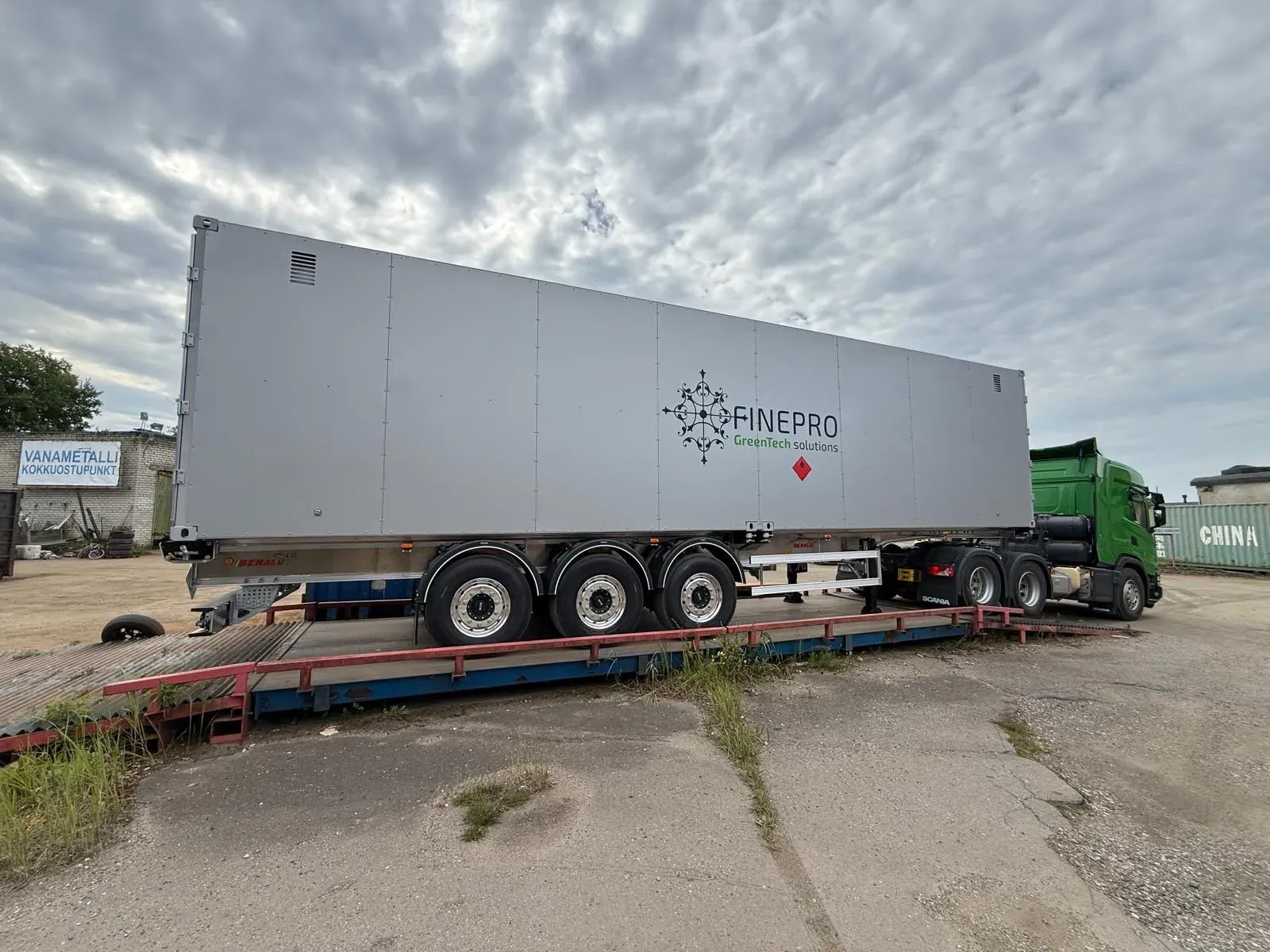
20 ft vs 40 ft MEGC: where the money actually is
The 40 ft MEGC is not cheaper per Nm³ to buy — cylinders are 75% of the cost and scale linearly. Its entire advantage is in the truck. Here is the break-even.
Talk to our engineers
From CNG and biomethane to hydrogen — we'll scope your project and reply within one working day.