
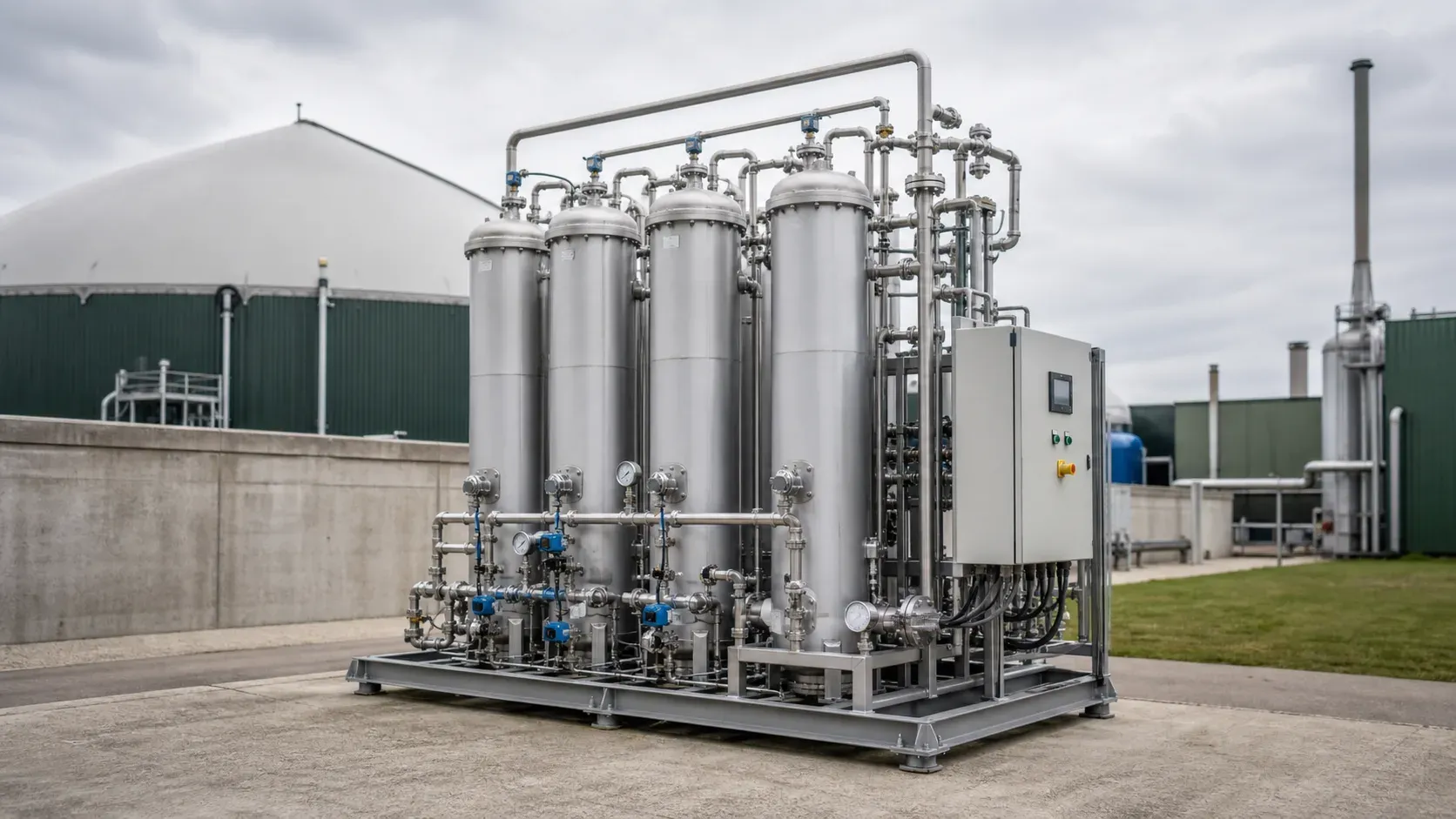
When a biogas project is aiming for the highest possible methane purity — pipeline injection, export contracts, or a sensitive industrial end-use — the upgrading technology choice tilts toward Pressure Swing Adsorption. PSA is the workhorse of high-purity biomethane production, used at scale across Europe and increasingly in newer markets. The trade-off is clear: PSA delivers on purity, with a bit more capital and process complexity than the alternatives.
Why ultra-pure biomethane matters
Pipeline-quality biomethane needs to clear methane content thresholds (typically 96–98% CH₄, sometimes higher), with strict limits on CO₂, water, sulphur, and trace contaminants. End-uses with sensitive equipment — engines, gas turbines, certain industrial processes — push the purity requirement up further. PSA is well-suited to that segment because it concentrates methane by removing essentially everything else, rather than picking a target purity and stopping there.
How PSA works
PSA exploits the fact that different gases adsorb onto solid materials (typically activated carbon or molecular sieves) at different rates and at different pressures. The process operates in a cycle:
- Pressurise raw biogas into a vessel packed with adsorbent. CO₂, H₂S, and water bind to the adsorbent surface preferentially; CH₄ passes through largely unbound.
- Collect the methane-enriched stream from the vessel outlet — this is the product gas.
- Depressurise the vessel to release the bound contaminants, regenerating the adsorbent.
- Repeat the cycle, typically with multiple vessels in parallel so the system runs continuously.
A multi-bed PSA plant cycles through pressurise / produce / depressurise / regenerate phases in coordinated rotation. The result is a continuous flow of high-purity methane — typically 97%+ CH₄ — with a tail-gas stream that gets either flared, used for plant heat, or further processed.
Advantages of PSA
- High purity — 97%+ CH₄ is achievable as a normal operating point.
- No solvent or water consumption — the adsorbent is reused over many cycles, so consumables are limited to periodic adsorbent change-outs.
- Mature technology — PSA has been used industrially for decades; the engineering is well-understood and supplier choice is broad.
- Continuous operation — multi-bed systems minimise downtime; regeneration happens in parallel with production.
Considerations
- Footprint and complexity — PSA plants are physically larger than membrane systems at equivalent throughput, with more valves and pressure-control logic.
- Methane slip — a small fraction of methane ends up in the tail-gas stream. Modern designs minimise this, but it’s a real economic line item to manage.
- Capital cost — typically higher than membrane upgrading at small scale; the curve crosses over as throughput grows and the per-Nm³ purity premium starts to pay back.
When PSA is the right choice
PSA tends to win when the project needs ultra-high purity, when the throughput justifies the capital investment, and when on-site space and operational complexity are manageable. For grid-injection projects with strict specs and for sites that want continuous high-quality output, PSA is the technology to reach for.
Where Gaznet fits
Once a PSA plant produces biomethane, the next step is moving it to the user — grid-injection point, fueling station, industrial customer, or export hub. Gaznet’s MEGC containers were designed for exactly that handover: load at the plant, transport by road, rail, or sea, deliver to the receiving site. ADR/RID/IMDG clearance comes built in, the composite Type-IV cylinders keep payload economics favourable, and the transport documentation matches what regulators expect.
If you’re scoping a PSA project — production, transport, or end-use — a scoping conversation with our team gets you a numbers-backed configuration in the first hour.
Related reading
Energy
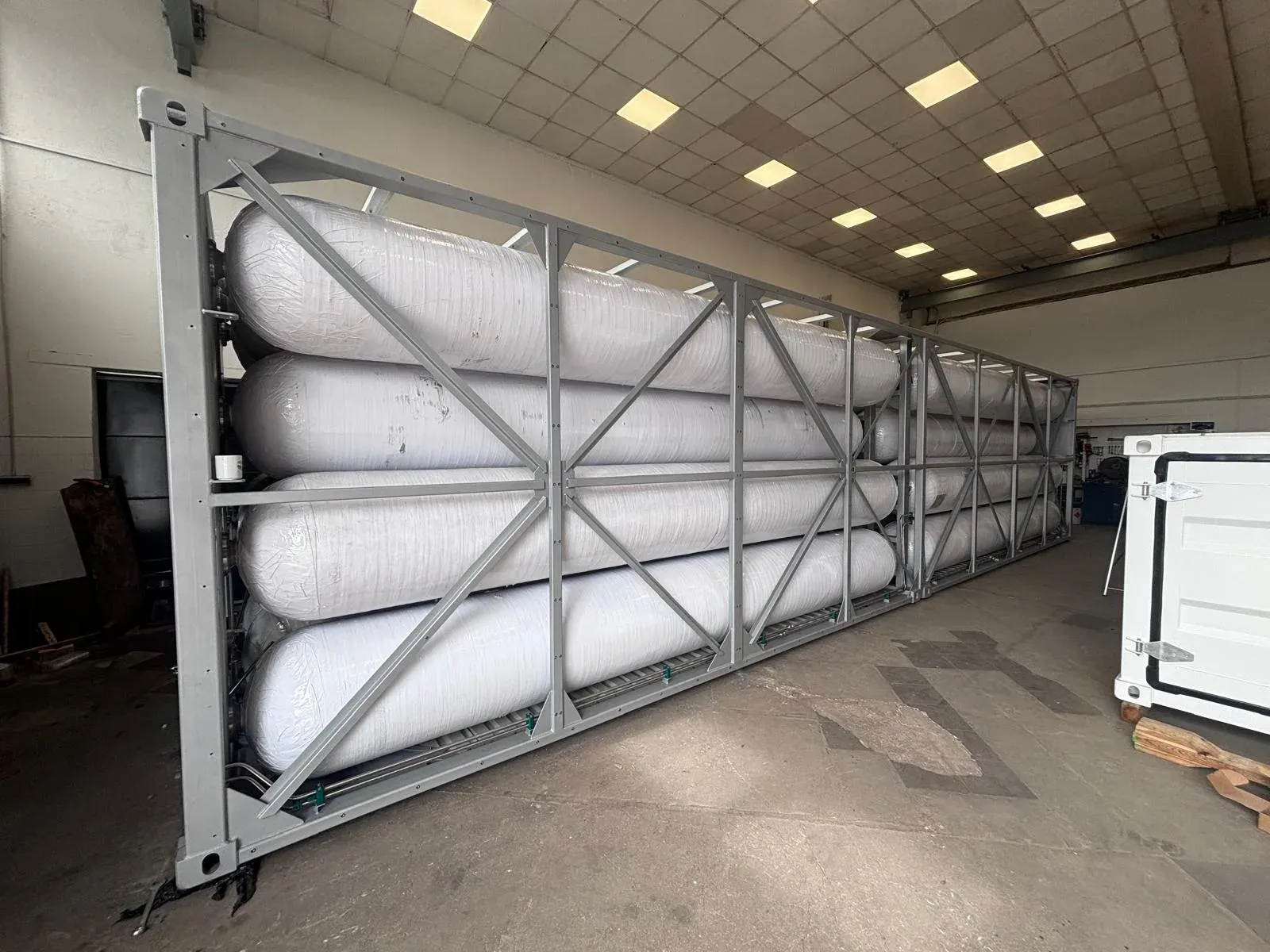
How much biomethane fits in a MEGC? The real numbers at 250 bar
Actual payload of a 20 ft and 40 ft MEGC in kg, Nm³ and MWh, calculated with real-gas densities — plus the temperature effect that costs you 10% of every load.
Energy
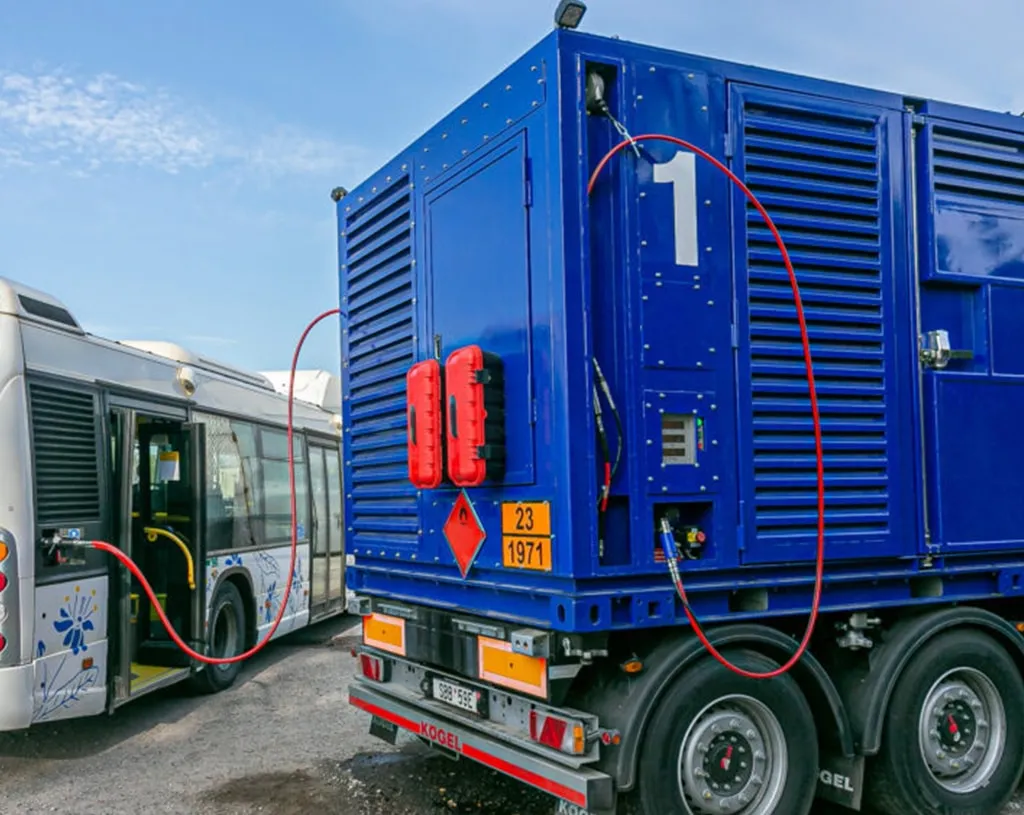
CNG daughter station for off-pipeline gas supply
What a CNG daughter station is, why operators choose it over fixed pipelines, and how MEGC and tube-trailer logistics support remote refuelling.
Energy
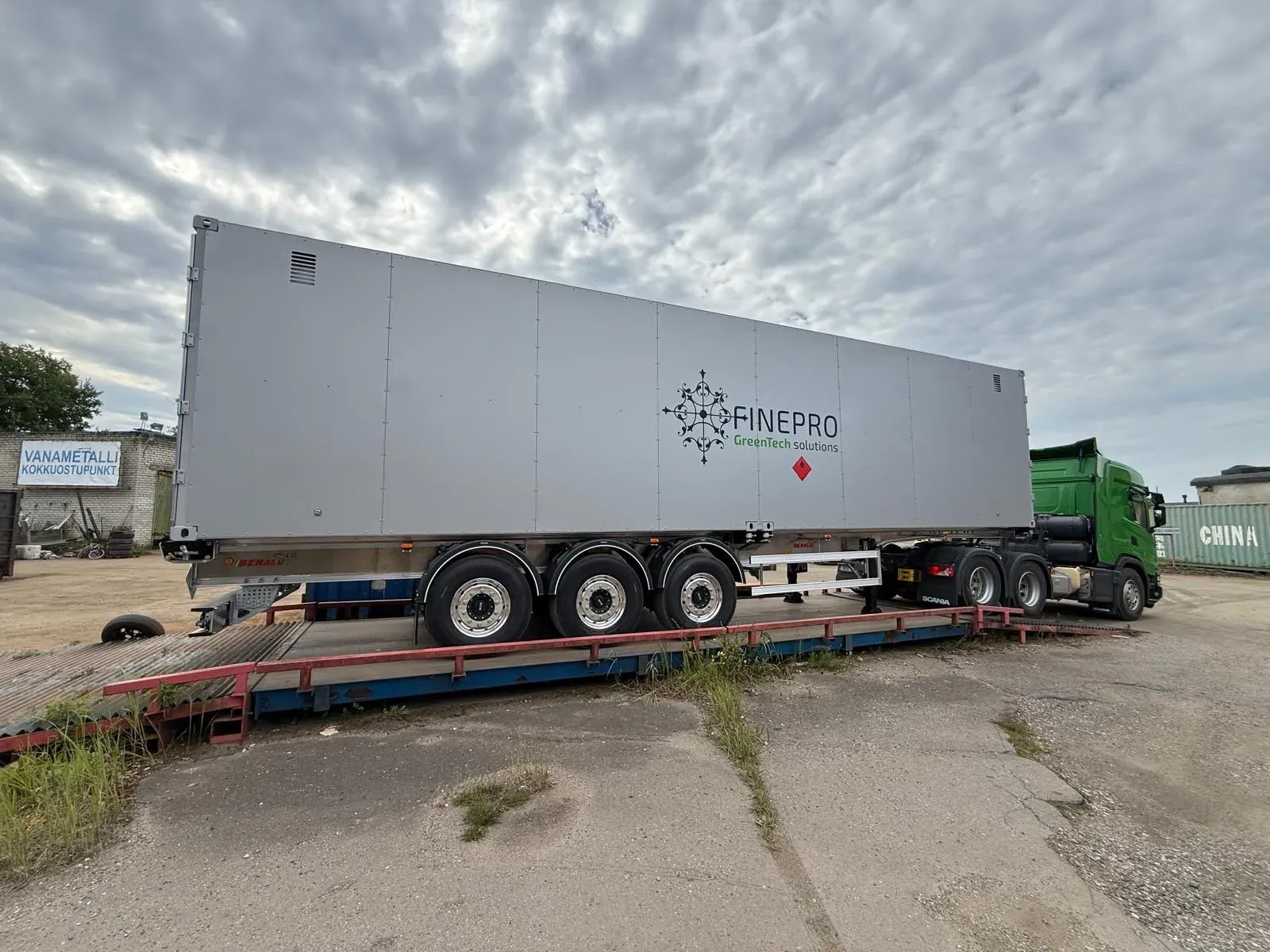
20 ft vs 40 ft MEGC: where the money actually is
The 40 ft MEGC is not cheaper per Nm³ to buy — cylinders are 75% of the cost and scale linearly. Its entire advantage is in the truck. Here is the break-even.
Talk to our engineers
From CNG and biomethane to hydrogen — we'll scope your project and reply within one working day.