
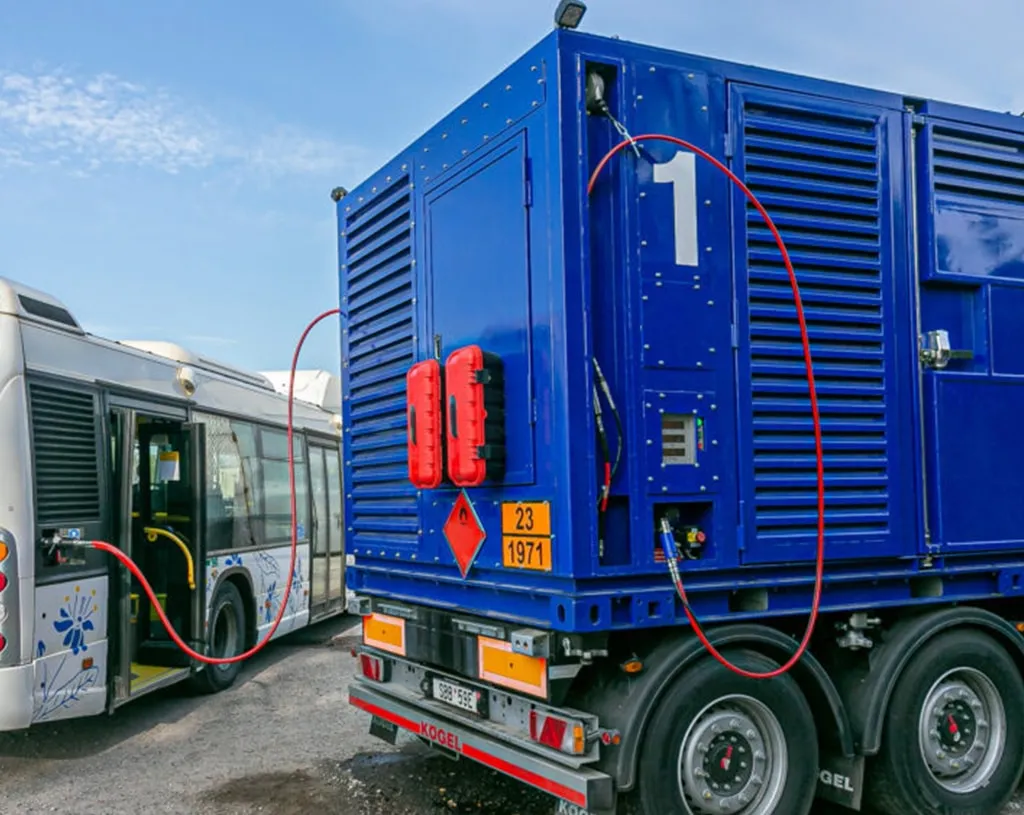
A CNG daughter station is a refuelling facility that gets its gas from somewhere else. Unlike a “mother” station tapped directly into a natural-gas pipeline, a daughter station takes delivery of compressed gas in transport containers — MEGC units or tube-trailers — and dispenses it locally. That decoupling of distribution from pipeline geography is what makes daughter stations the practical answer for off-grid sites and emerging markets.
Why operators choose a daughter station
Three reasons usually carry the decision:
- Pipelines don’t reach everywhere. Building a new pipeline branch is expensive, slow, and often impossible. A daughter station can be operational in months on a site of any size.
- Capital cost is materially lower. The fixed infrastructure is dispensers, a buffer of stationary cylinders, and the connection to a road delivery point. No trenching, no compressor station, no long-permitting fight.
- Capacity scales with demand. Start with a single MEGC delivery cycle a week; grow to daily as the customer base grows. The same site infrastructure handles both.
The same logic applies to biomethane stations — the daughter-station model is how an off-pipeline biogas plant connects to vehicle fueling and industrial customers.
The equipment in a typical station
- Transport containers — MEGC or tube-trailer assemblies that bring compressed gas from the source (mother station, biogas upgrading plant, gas terminal). Type-IV composite cylinders dominate the modern fleet for the weight and corrosion advantages.
- Buffer storage — stationary cylinder bank that smooths the difference between truck-frequency arrivals and continuous customer demand. Sized to the duty cycle.
- Dispensers — the user-facing equipment: nozzle, pressure regulation, payment integration, ADR-compliant ventilation.
- Safety and monitoring — gas-detection, fire-suppression, emergency shut-off, and the documentation trail needed for the relevant regulator.
Daughter-station reference configuration
The catalogue configuration below shows a compact 20 ft CNG daughter-station unit with integrated hydraulic compression.
| Technical characteristics | 20 ft std type IV |
|---|---|
| Container standard | ADR / ISO |
| Quantity of cylinders | 4 |
| Volume of cylinders | 1 667 |
| Volume of container (MEGC), L | 6 678 |
| Work pressure at 15 °C, bar | 250 |
| Volume of gas at 15 °C, m3 | 1 667 |
| Weight of CNG at 15 °C, kg | 1 186 |
| Tare weight, kg | 10 000 |
| Gross weight, kg | 11 200 |
| Hydraulic compressor | 37 KW |
Reference configuration shown for planning; final station layout depends on daily demand, site constraints, and dispenser requirements.
Siting and operations
A workable daughter-station site has road access for the delivery truck, the right zoning for fuel handling, separation distances from occupied buildings, and ventilation. Permits vary by jurisdiction; the lead time is typically driven by the local fire marshal and the gas regulator rather than the construction itself.
Operationally, the rhythm is “deliver, dispense, repeat.” Daily MEGC swaps work for high-throughput stations; weekly or fortnightly cycles fit smaller sites. The transport partner — the company moving the gas from source to station — is part of the operating-cost picture and a real lever on profitability.
Mother station vs daughter station
The distinction is the gas source: a mother station compresses gas straight from a pipeline into the dispensers (or into outbound MEGCs feeding daughter stations downstream). A daughter station takes delivery of compressed gas already produced elsewhere. Mother stations are large, capital-intensive, and tied to pipeline geography; daughter stations are smaller, modular, and movable.
Cost picture
The numbers depend on storage capacity, equipment selection, and site location. For most operators the dominant cost line is the transport-container fleet (MEGC or tube-trailer) — getting the cylinder choice right is what keeps the lifecycle economics in shape. Type-IV composite is typically the right answer for mobile applications where every kilo of frame weight is a kilo less payload.
Common questions
Can a daughter station serve industrial customers as well as vehicles? Yes. The equipment scales for both, and many operators do exactly that.
How often do I need deliveries? Depends on consumption. A high-throughput truck-fleet station may need a daily MEGC swap; a smaller commercial-vehicle station might run on a fortnightly cycle.
Is it a viable business? For operators who get the location, equipment, and transport partner right, yes — and the demand profile is usually growing alongside the wider transition to cleaner fuels.
If you’re scoping a daughter station, our product range covers the MEGC, tube-trailer, and mobile filling station configurations that the workable ones are built around. A scoping conversation gets you a configuration matched to your specific demand profile.
Related reading
Energy
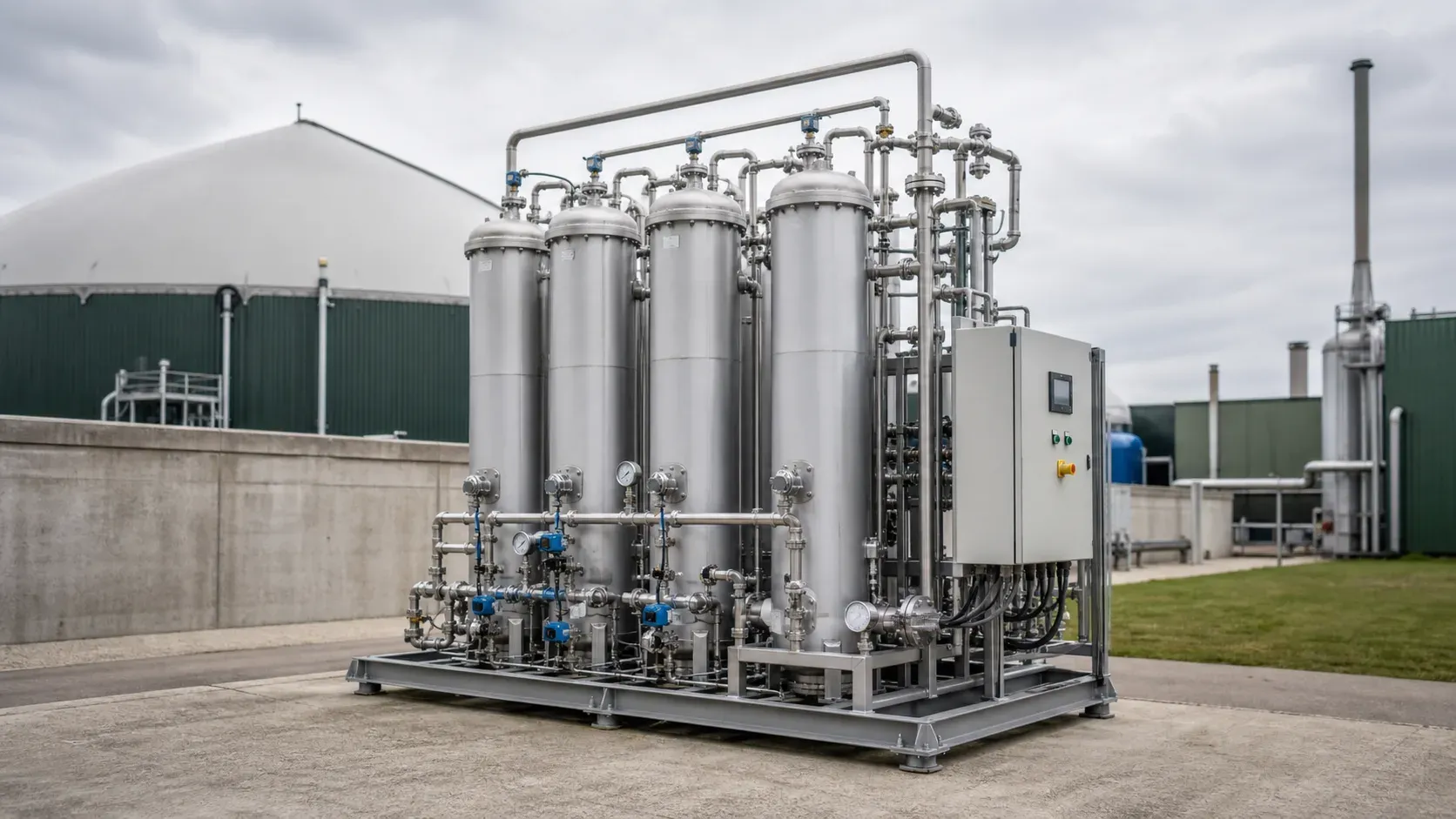
Pressure swing adsorption for biomethane production
How PSA upgrades raw biogas to pipeline-quality biomethane, including the science, operating economics, and cases where it is the right choice.
Energy
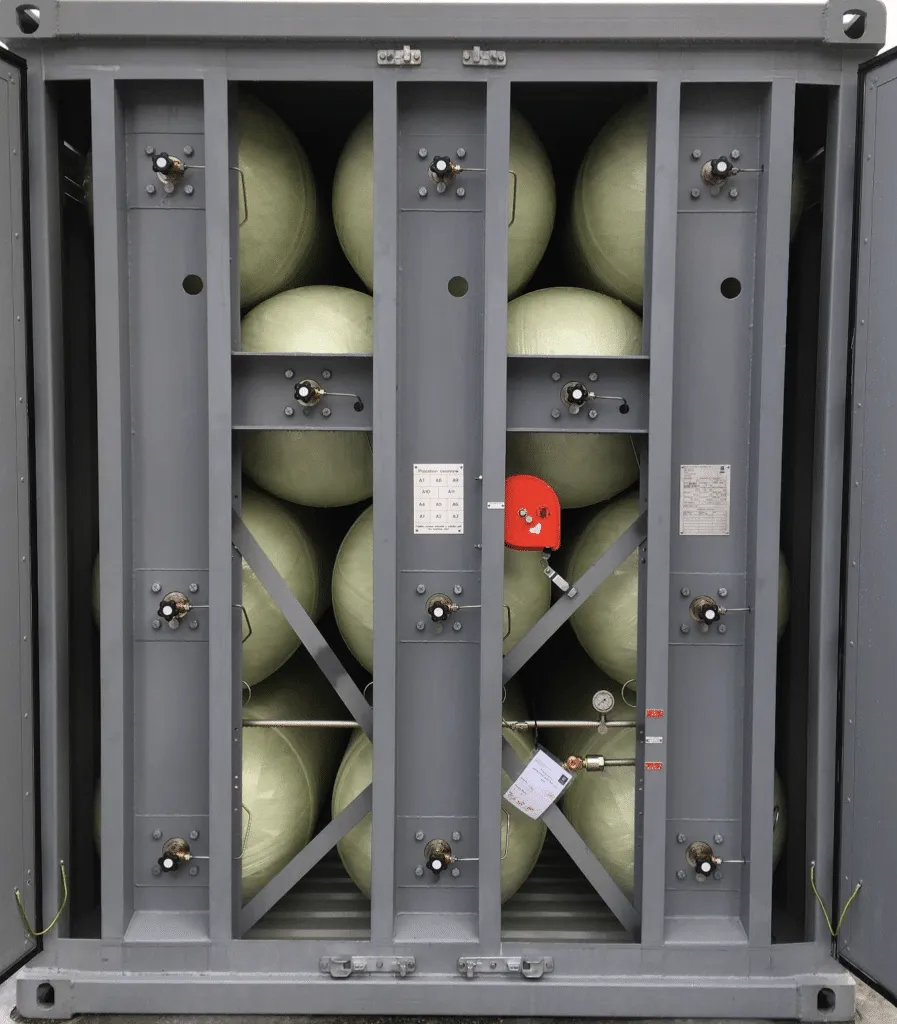
Hydrogen storage and transportation
Practical options for hydrogen storage and transport — gaseous vs liquid, cylinder types, MEGC and tube-trailer logistics, and where each option fits.
Energy
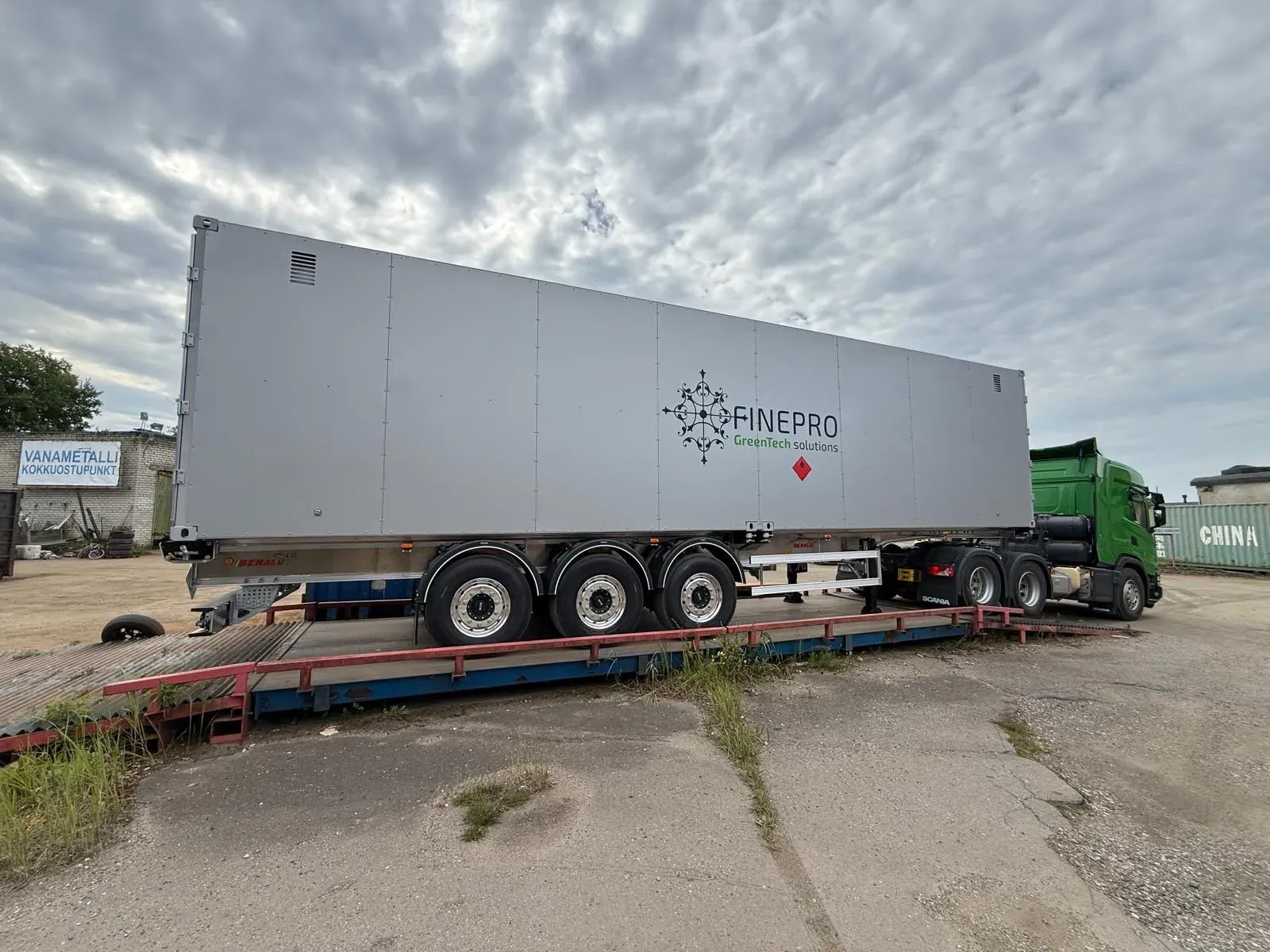
20 ft vs 40 ft MEGC: where the money actually is
The 40 ft MEGC is not cheaper per Nm³ to buy — cylinders are 75% of the cost and scale linearly. Its entire advantage is in the truck. Here is the break-even.
Talk to our engineers
From CNG and biomethane to hydrogen — we'll scope your project and reply within one working day.