
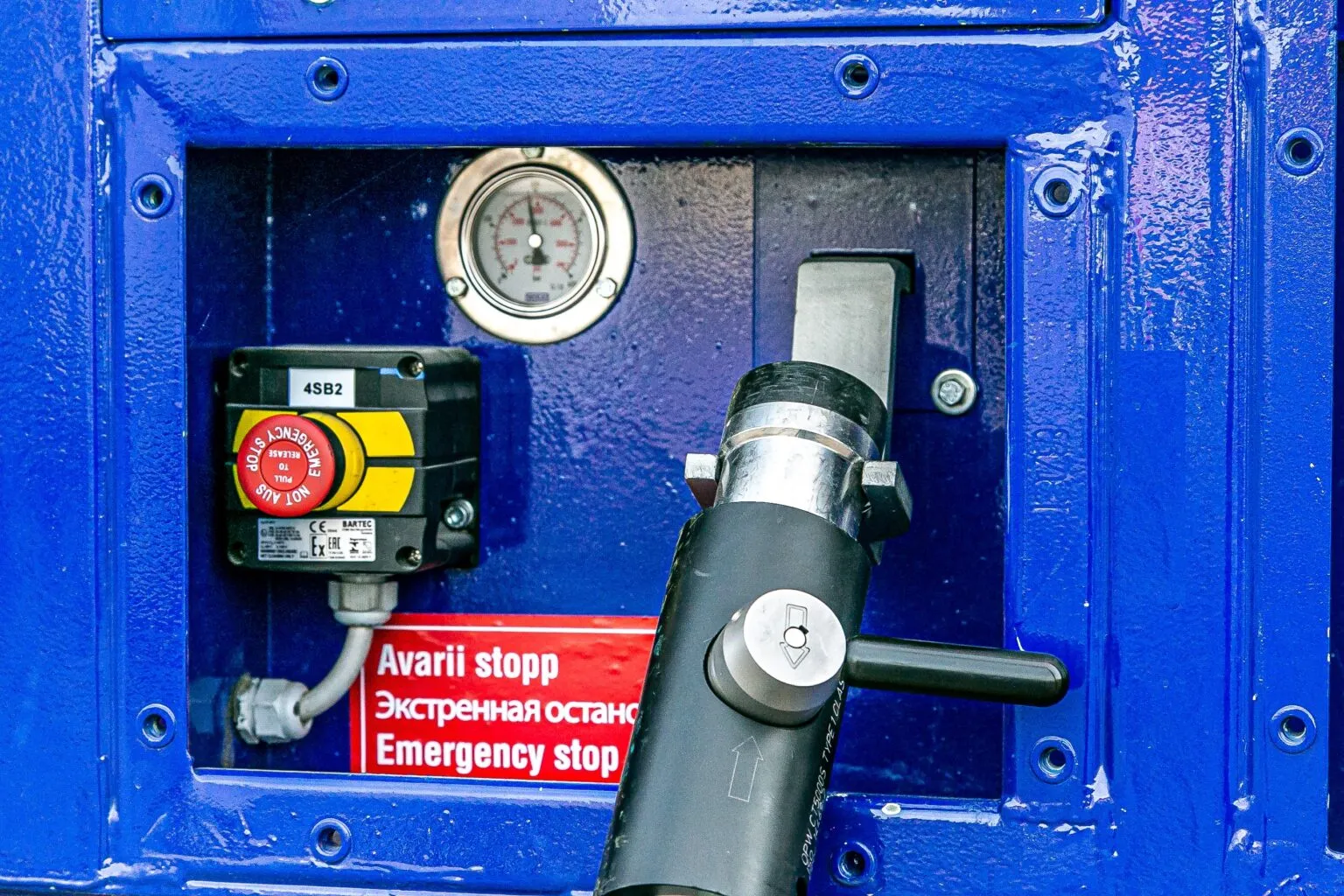
Compressed Natural Gas and hydrogen are stored in pressure vessels that fall into five well-defined “types”, numbered I through V. The naming convention describes how the cylinder is built — what carries the pressure load, and what reinforces it. Choosing the right type is ultimately a trade between weight, cost, lifetime, and the demands of the specific application.
Type 1 — all-steel (or all-aluminium)
The classic pressure vessel: a single piece of metal, usually steel, occasionally aluminium. Heavy, robust, cheap to produce, and well-understood. Type 1 cylinders dominate stationary storage installations and heavy-duty vehicles where the weight penalty is acceptable. The downside is corrosion: a steel cylinder needs more frequent inspection, particularly in humid environments or services involving H₂S.
Choose Type 1 when weight is not the binding constraint and capital cost dominates the decision — fixed industrial buffers, large-volume storage banks, heavy-truck applications.
Type 2 — metal liner with hoop wrap
A steel or aluminium liner, partially wrapped with composite (typically glass fibre) around the cylindrical section. The wrap takes some of the hoop stress, allowing a thinner metal liner and a meaningful weight reduction over Type 1 — typically 30–40% — without the cost jump of a fully wrapped cylinder.
Choose Type 2 when moderate weight reduction matters but cost discipline still matters more — medium commercial vehicles, retrofits where Type 1 would be too heavy.
Type 3 — fully-wrapped metal liner
A thin aluminium liner fully over-wrapped in composite (typically carbon fibre). The composite carries most of the pressure; the liner is essentially a gas barrier. Significant weight reduction over Type 2, and very good corrosion behaviour because the metal isn’t exposed.
Choose Type 3 when the duty cycle demands lighter weight — light commercial vehicles, passenger cars, mobile applications where range and payload pay back the cost premium.
Type 4 — non-metallic liner, full composite wrap
A polymer liner (HDPE or similar) fully over-wrapped in carbon fibre, glass fibre, or both. No metal in the pressure-bearing path, so corrosion is essentially eliminated. This is the lightest mainstream cylinder option and the workhorse of modern hydrogen storage and high-end CNG applications. Gaznet’s container range is built on Type 4 cylinders from UMOE Advanced Composite, with working pressures up to 450 bar.
Choose Type 4 when weight reduction is paramount — hydrogen-fuelled vehicles, high-performance CNG applications, mobile filling stations and tube-trailer configurations where every kilo on the trailer becomes a kilo more payload.
Type 5 — all-composite, no liner
The newest type — fully composite construction with no liner of any kind. Even lighter than Type 4, with higher gravimetric storage density. Currently confined to specialty applications (aerospace, advanced hydrogen mobility) where the cost premium pays back through weight savings.
Comparing the types at a glance
| Aspect | Type 1 | Type 2 | Type 3 | Type 4 | Type 5 |
|---|---|---|---|---|---|
| Construction | All metal | Metal + hoop wrap | Metal liner + full wrap | Polymer liner + full wrap | All composite |
| Weight | Heaviest | Moderate | Light | Lightest mainstream | Lightest |
| Corrosion behaviour | Susceptible | Moderate | Good | Excellent | Excellent |
| Cost | Lowest | Low | Higher | Higher still | Highest |
| Typical pressure | Up to 250 bar | Up to 300 bar | Up to 450 bar | Up to 450–700 bar | Up to 700 bar |
Picking the right cylinder
The right choice depends on the duty cycle: how often is the cylinder cycled, what does it cost to move it, what’s the corrosion environment, what’s the budget per unit of stored energy. Stationary heavy-industrial: Type 1 or Type 2. Mobile: Type 3 or Type 4. Hydrogen mobility: Type 4 or Type 5. The Gaznet product range covers Type 4 across CNG, biomethane, and hydrogen — get in touch and we’ll spec the right cylinder for your project.
Related reading
Energy
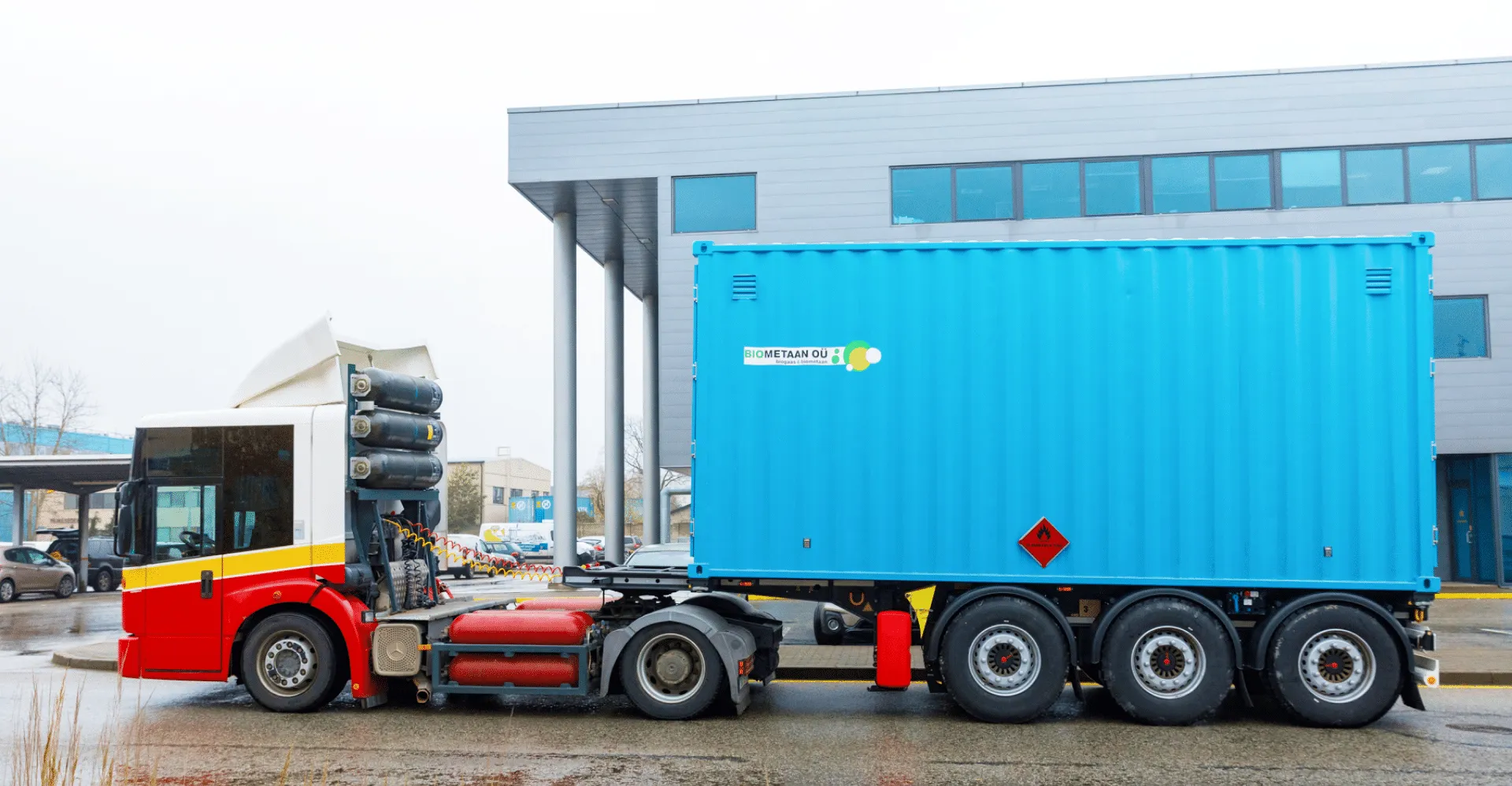
CNG and hydrogen container solutions — the Gaznet range
Why Gaznet specifies UMOE Advanced Composite Type-IV cylinders for CNG, biogas, and hydrogen containers, including certification and lifecycle cost.
Energy
What is CNG?
Compressed Natural Gas explained: what CNG is, why it matters for transport and industry, how it is stored, and how it compares to petrol and diesel.
Energy
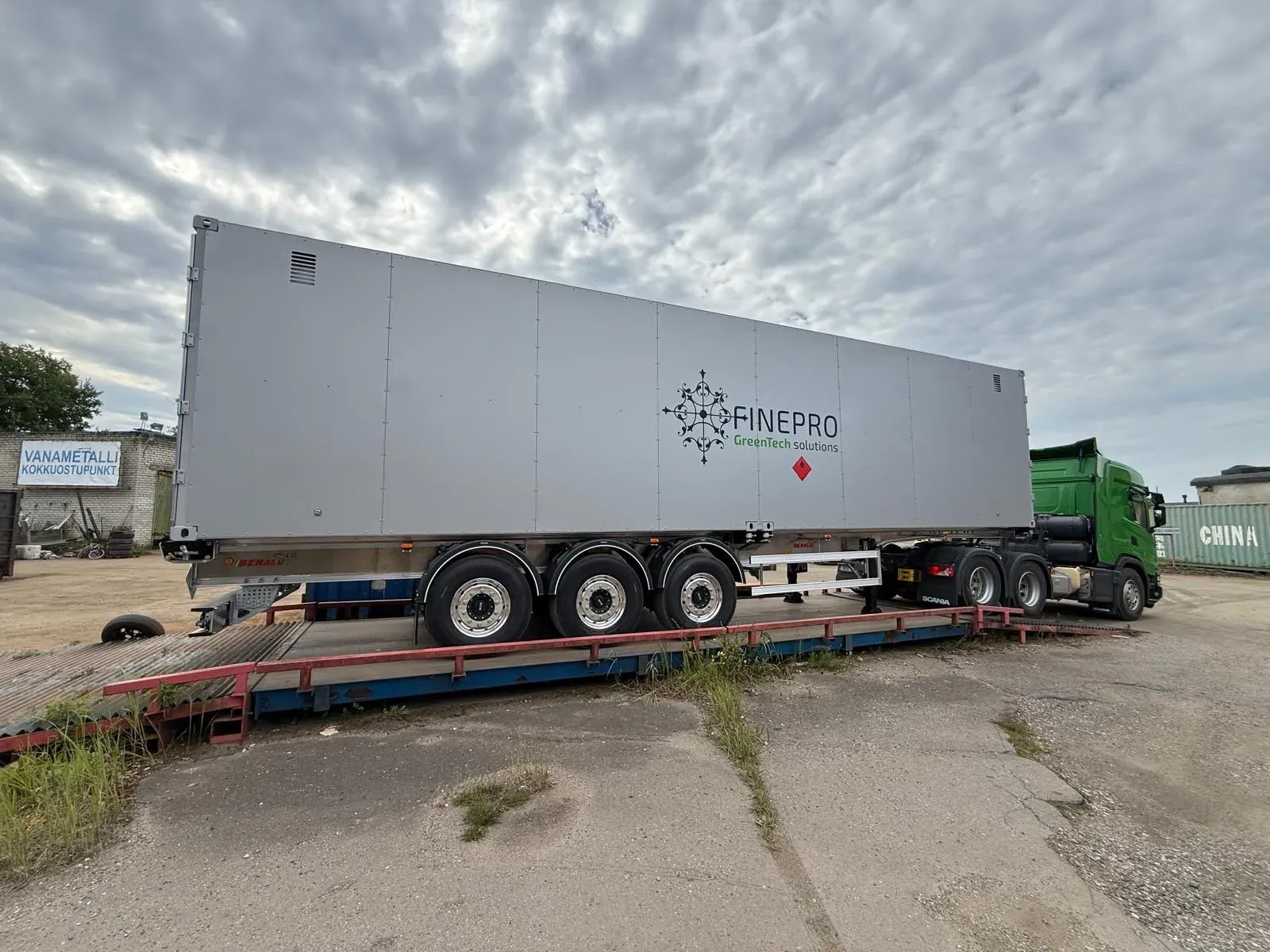
20 ft vs 40 ft MEGC: where the money actually is
The 40 ft MEGC is not cheaper per Nm³ to buy — cylinders are 75% of the cost and scale linearly. Its entire advantage is in the truck. Here is the break-even.
Talk to our engineers
From CNG and biomethane to hydrogen — we'll scope your project and reply within one working day.