
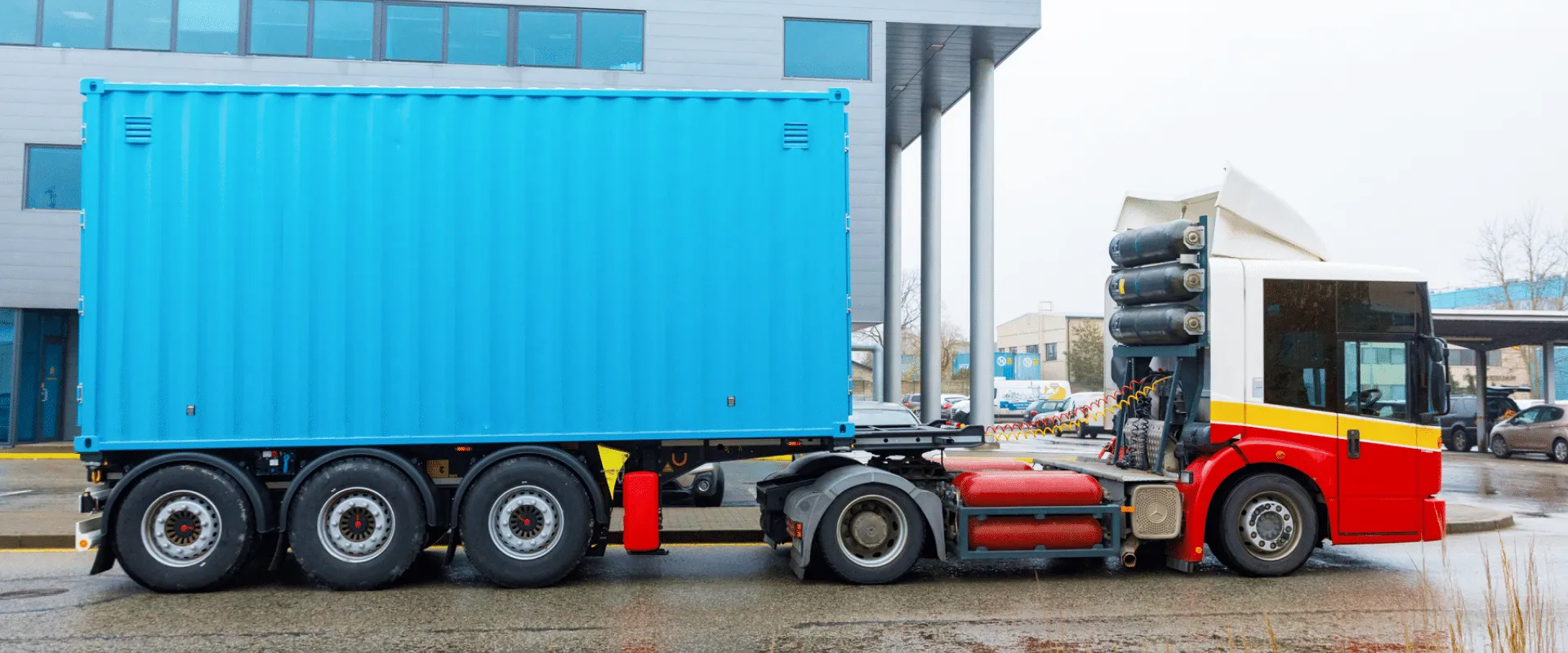
CNG — Compressed Natural Gas — is the same methane that flows through a pipeline, compressed to roughly 1% of its uncompressed volume so it can be stored in a vehicle, an industrial buffer, or a transport container. It is used worldwide as a substitute for petrol, diesel, and LPG, and it is increasingly the bridge between biomethane producers and gas customers off the pipeline grid.
Why operators choose CNG
CNG burns cleaner than liquid fuels. A CNG vehicle emits markedly less CO₂, NOₓ, and particulate matter than a petrol or diesel equivalent of the same age. For fleet operators and industrial users, that combines with a fuel-cost story — natural gas pricing is more stable than oil-derived fuels, and per-energy-unit costs are typically lower. Long-running fleets see the difference on the bottom line within a year or two.
Where CNG is used
The most visible application is transport: passenger cars, urban buses, delivery trucks, and long-haul fleets. Beyond mobility, CNG fuels stationary generators, industrial heating, food processing, and chemical manufacturing. BIO-CNG — biomethane produced from organic waste, then upgraded — is a renewable variant that runs in the same equipment without modification.
How CNG is stored
CNG is held in pressure vessels. There are five main cylinder types (Type I through Type V), distinguished by their construction:
- Type I — all-metal (steel or aluminium)
- Type II — metal liner with composite hoop-wrap
- Type III — metal liner with full composite over-wrap
- Type IV — polymer liner with full composite over-wrap (the current mainstream lightweight option)
- Type V — all-composite, no liner (specialty / advanced applications)
For larger volumes — fleet refuelling, off-pipeline industrial supply, biomethane export — the cylinders are bundled into MEGC containers or tube-trailer transport configurations.
Safety vs liquid fuels
Three properties of CNG combine to make it safer than petrol or diesel in the leak-and-fire scenario:
- It’s lighter than air, so a leak rises and disperses rather than pooling on the ground.
- Its autoignition temperature is around 540 °C — almost double that of petrol — so accidental ignition needs a much hotter trigger.
- Its flammable range in air is narrow (5–15%), so the conditions for an open-air fire are harder to reach.
Combined with reinforced cylinder construction, pressure-relief devices, and shut-off valves, CNG vehicles have a markedly better post-impact fire record than equivalent liquid-fuel vehicles.
Environmental story
CNG combustion is cleaner than liquid fuels at the tailpipe, and it is non-toxic — a CNG leak doesn’t contaminate soil or water. BIO-CNG (biomethane) goes further: it captures methane that would otherwise vent to atmosphere and converts it into a transport fuel, lowering net greenhouse-gas emissions on a lifecycle basis.
Vehicle conversion
Existing petrol vehicles can be retrofitted to run CNG (or dual-fuel) at an authorised workshop — installation of a cylinder, an injection system, and supporting electronics. Boot space takes a hit on retrofits because the cylinder lives in the trunk; factory-built CNG vehicles route the cylinder into the chassis instead. Either route gets the operator the same fuel-cost and emission savings.
Where Gaznet fits
Our product range covers Type-4 composite cylinders for CNG, biomethane, and hydrogen, plus the MEGC and mobile-station configurations that move them. If you’re scoping a project — fleet, plant, or station — a scoping conversation is the fastest way to see whether CNG fits your case.
Related reading
Energy
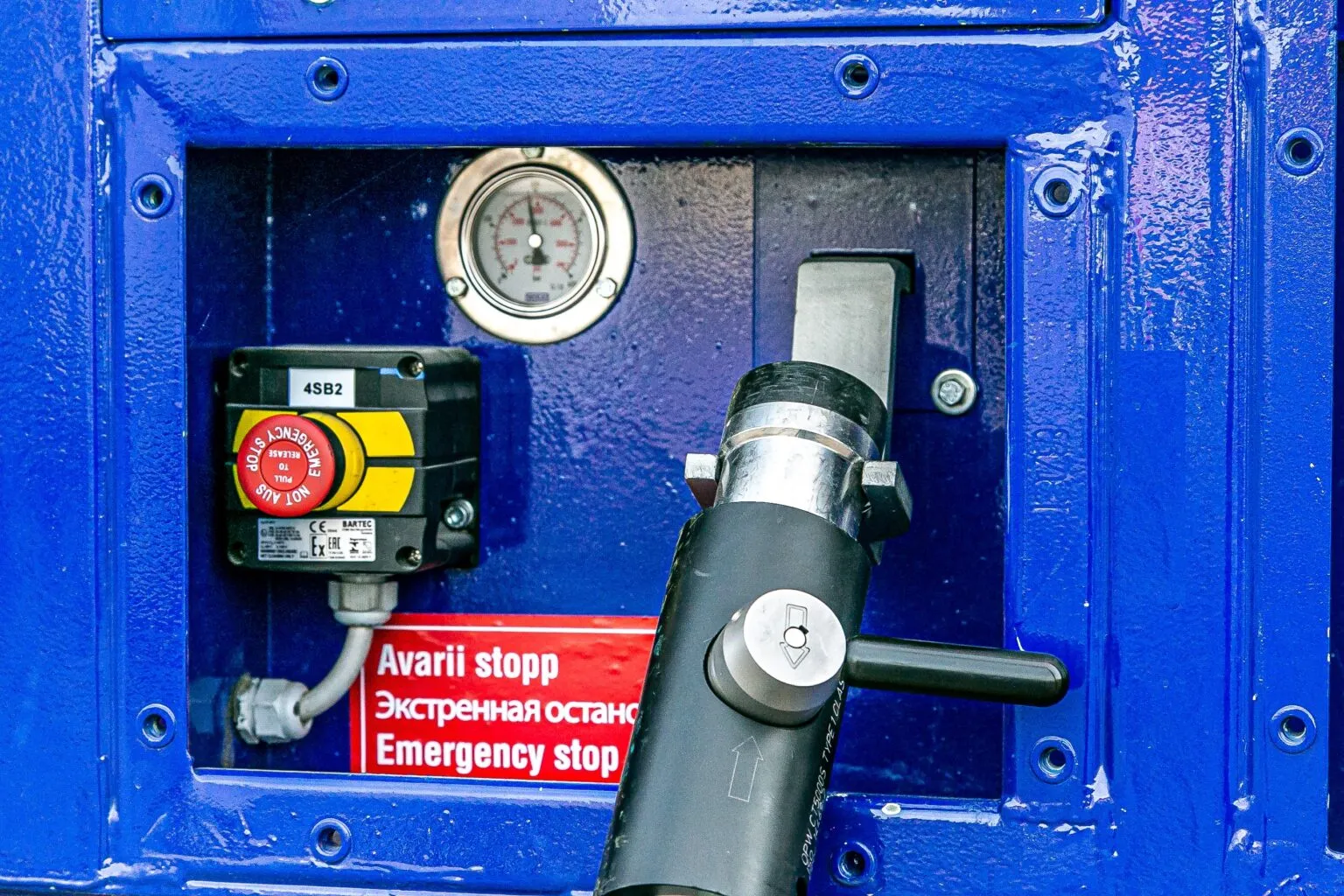
CNG and hydrogen storage cylinder types
The five cylinder types used for CNG and hydrogen, from Type 1 steel to Type 5 all-composite, with weight, cost, and application fit.
Energy
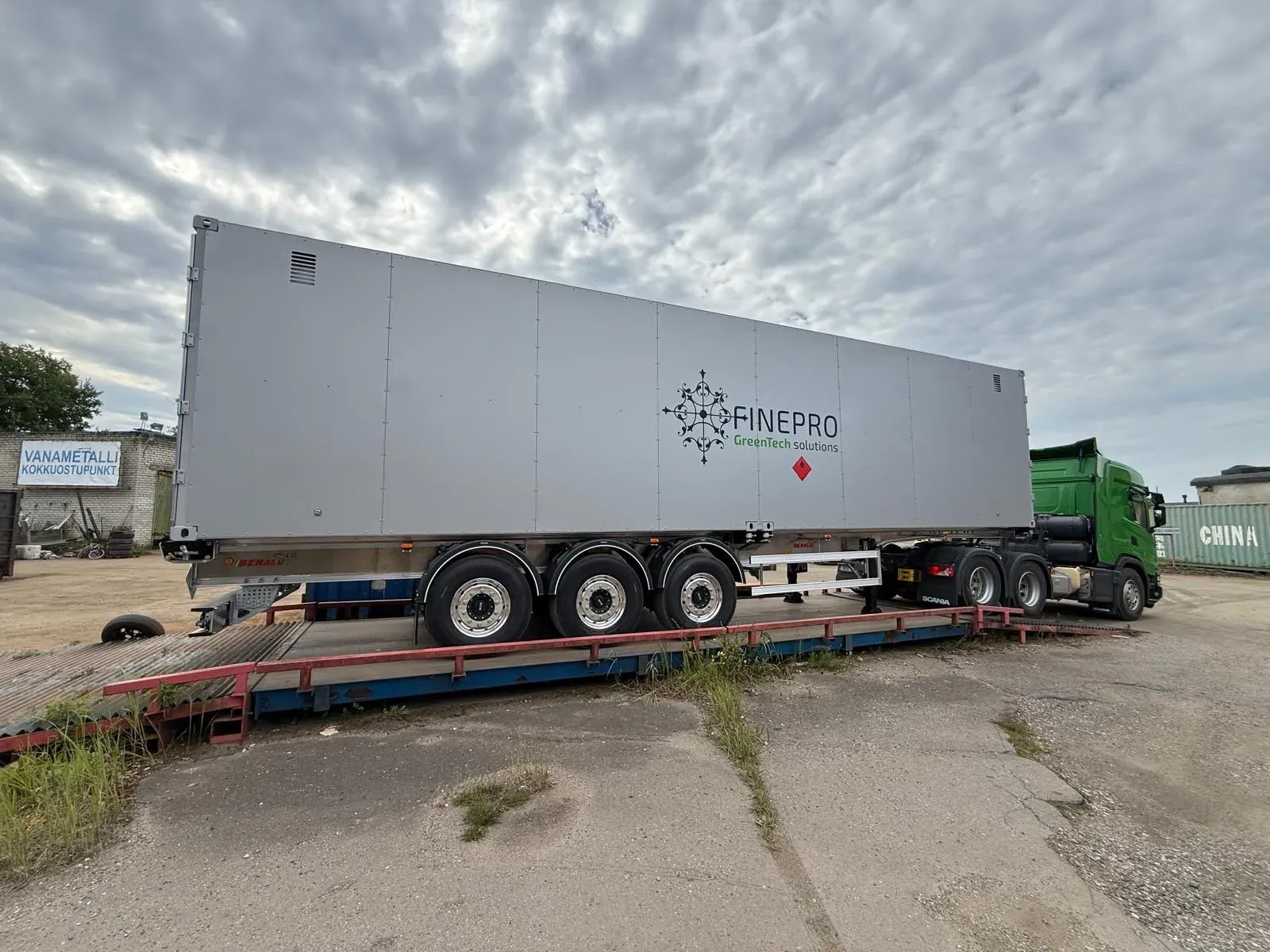
20 ft vs 40 ft MEGC: where the money actually is
The 40 ft MEGC is not cheaper per Nm³ to buy — cylinders are 75% of the cost and scale linearly. Its entire advantage is in the truck. Here is the break-even.
Energy
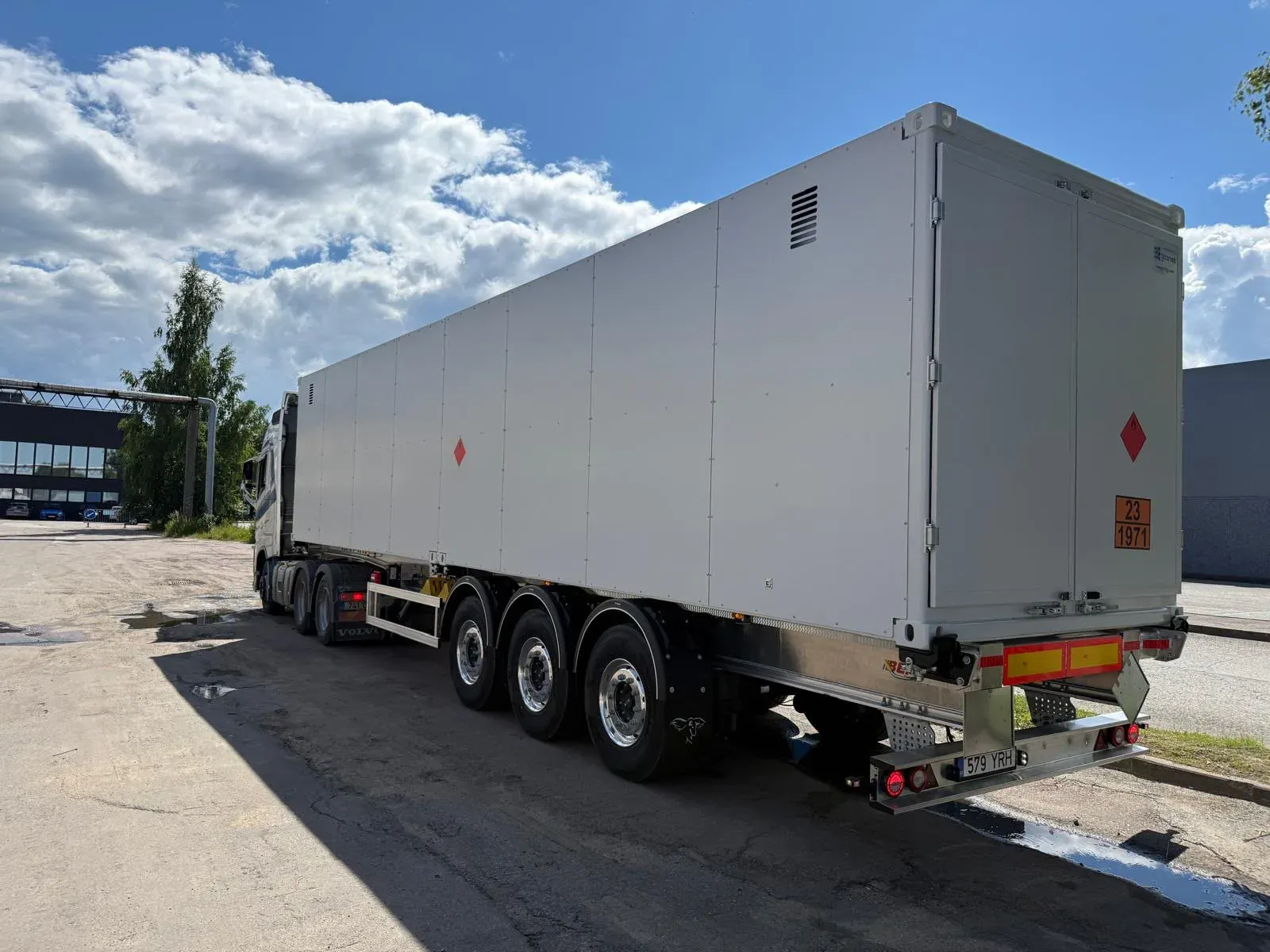
ADR type approval for a MEGC: the complete document pack
Every document required to type-approve a Multi Element Gas Container and to operate it legally under ADR — the full checklist, and what to do if your supplier is missing one.
Talk to our engineers
From CNG and biomethane to hydrogen — we'll scope your project and reply within one working day.