
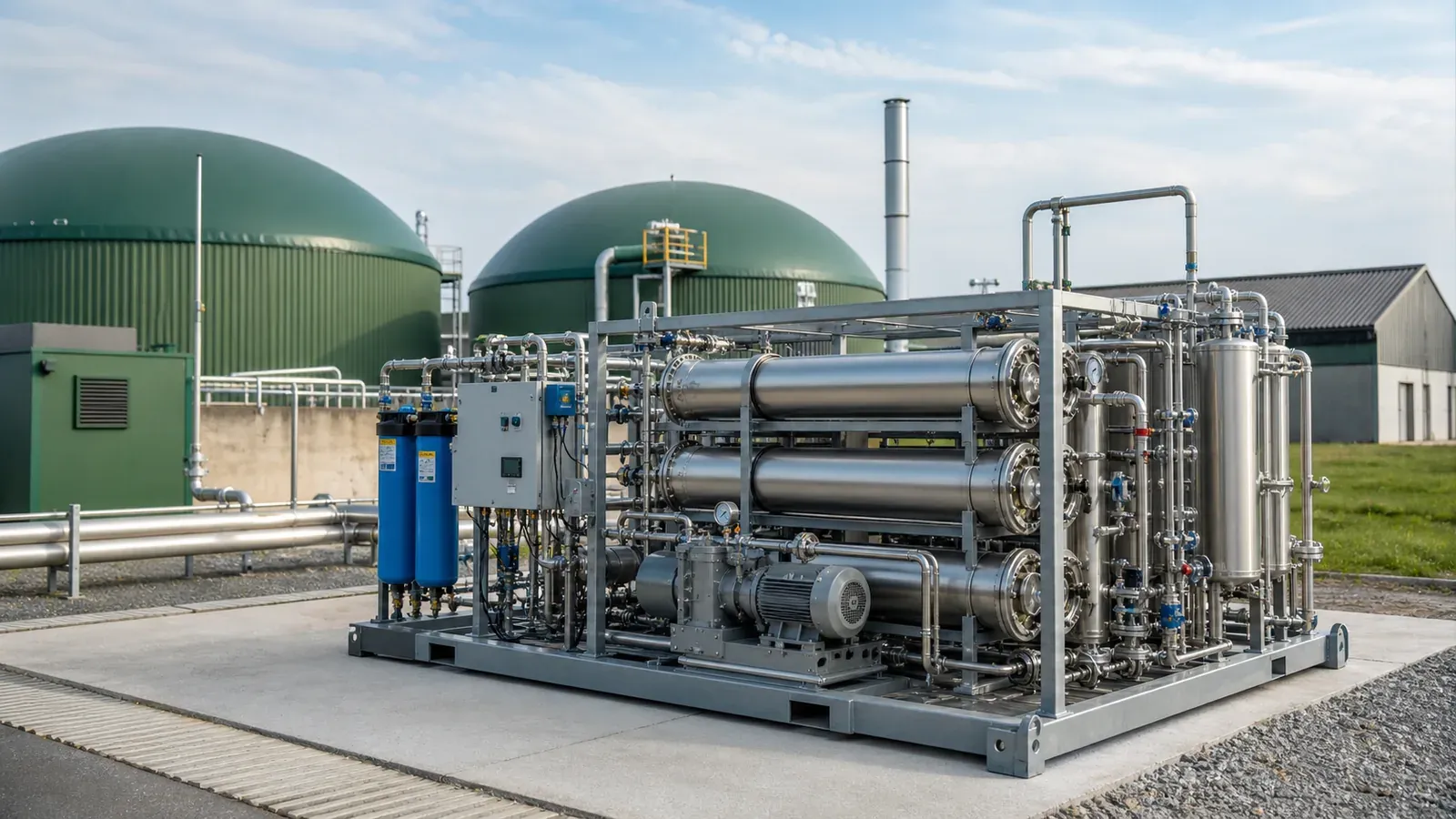
Not every biomethane project needs to be a large, centralised plant. Across Europe, small to medium-sized biogas facilities increasingly produce high-quality biomethane closer to where the feedstock comes from — on farms, at waste treatment facilities, or near industrial sites. Membrane separation is one of the upgrading technologies driving that decentralisation, and it’s growing faster than any other option in the sub-1000 Nm³/h segment.
How membrane separation works
Membrane systems exploit selective permeability: different gases pass through a polymer membrane at different rates depending on molecule size and chemistry. CO₂ molecules are smaller and pass through faster than methane. Run the gas through a membrane stack and the methane concentrates on one side while CO₂ enriches the other.
The process in brief:
- Compression — raw biogas is pressurised to a working pressure that drives the membrane separation.
- First pass — gas flows across a semi-permeable membrane. Smaller molecules (CO₂, water vapour) pass through faster than larger methane molecules, so the methane concentration on the inlet side increases as the stream advances.
- Multi-stage configuration — typical plants run two or three membrane stages in series, each driving methane purity higher. The inter-stage retentate streams are recycled to recover any methane that crossed the membrane.
- Pre-treatment — operators must remove H₂S, moisture, and particulate matter ahead of the membranes, both for safety and to prevent fouling.
The result is biomethane at 97%+ CH₄ — pipeline-quality, ready for compression, storage, or grid injection.
Advantages
- Compact footprint — membrane systems are physically smaller than equivalent PSA or water-scrubbing plants. They fit on sites where larger upgrading technologies don’t.
- Energy efficient at small to medium scale — the per-Nm³ energy demand is competitive, particularly under the throughput threshold where alternative technologies become economically competitive.
- Modular and scalable — adding a stage or a parallel train as production grows is straightforward; the modular nature is part of the appeal for projects expecting capacity increases over time.
- No water or chemicals required — operations are simpler than water-based upgrading; consumables are limited to membrane replacement on a multi-year cycle.
Considerations
- Pre-treatment is mandatory — H₂S, water, and particulates have to come out ahead of the membranes, which adds equipment.
- Multi-stage investment — achieving the highest purity often involves multiple membrane passes; the curve is steeper than for PSA at the high-purity end.
- Fouling sensitivity — oils, dust, and residual contaminants can degrade membrane performance over time. The mitigation is robust pre-treatment.
When membrane separation is the right choice
Membrane upgrading shines in three configurations:
- Decentralised plants without pipeline access — the small footprint and modular scaling fit perfectly.
- Projects planning gradual capacity growth — adding stages is easier than scaling other technologies.
- Operators seeking low-maintenance, modular, water-and-chemical-free systems.
For projects targeting the very highest methane purity at large scale, PSA often remains the right answer. For mid-sized operations that need a clean, compact, scalable upgrading path, membranes have become the default.
From upgrading to delivery
Once your membrane system produces clean biomethane, the next step is moving it to the customer. Gaznet’s Type-IV composite MEGC containers bridge the gap between production and market: fillable on-site at the upgrading plant, transportable anywhere by road or rail, ADR-approved for compliant European delivery, and lightweight enough to keep transport economics favourable. Membrane upgrading plus MEGC transport means biomethane can be produced anywhere and delivered everywhere.
A scoping conversation takes about an hour and ends with a numbers-backed configuration for your specific project.
Related reading
News
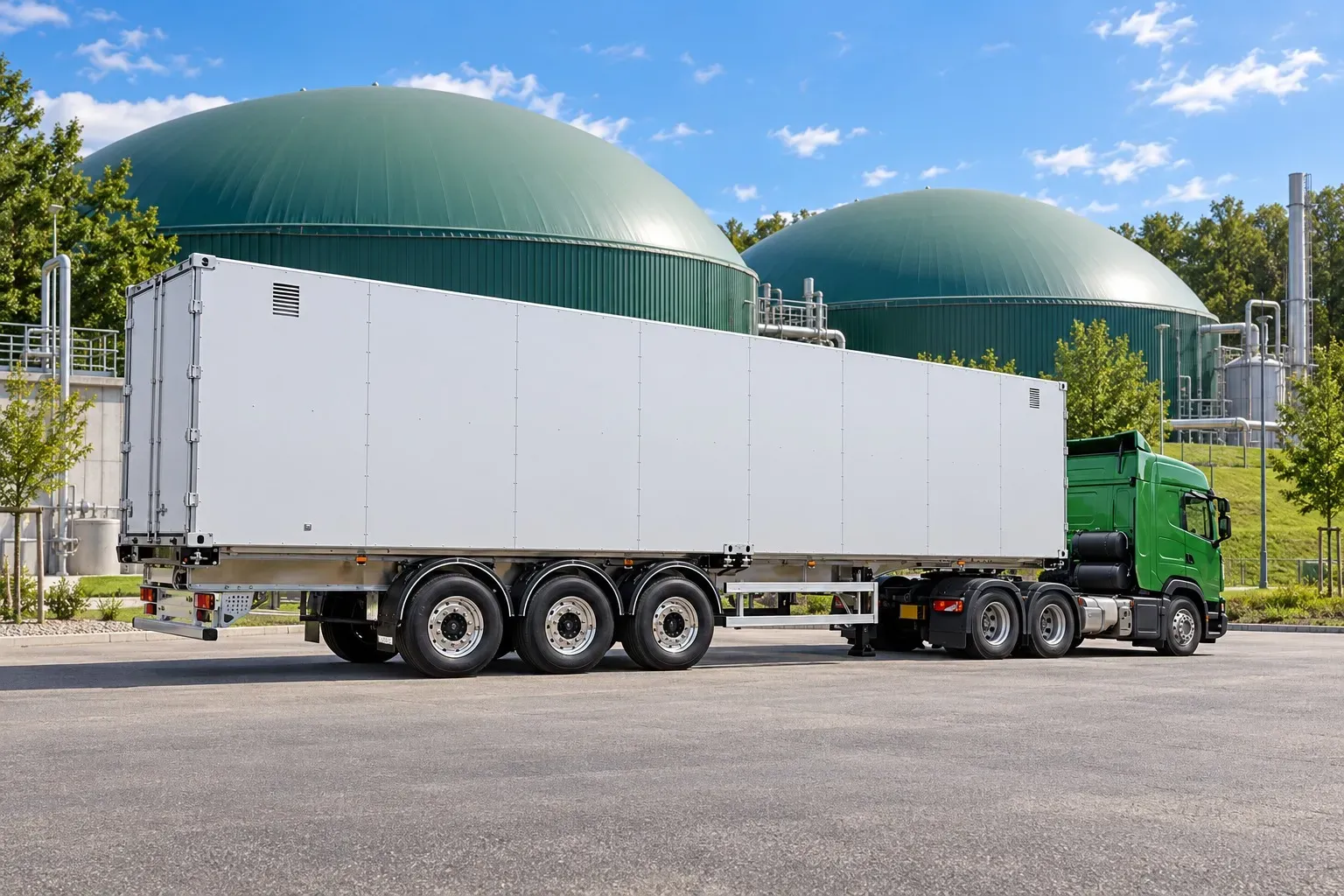
Meet us at BioPower 2026 in Warsaw, stand B36
Gaznet exhibits at BioPower 2026, 29 September – 1 October at Ptak Warsaw Expo, Hall C, stand B36. Meet us to plan biomethane transport in MEGC containers.
News
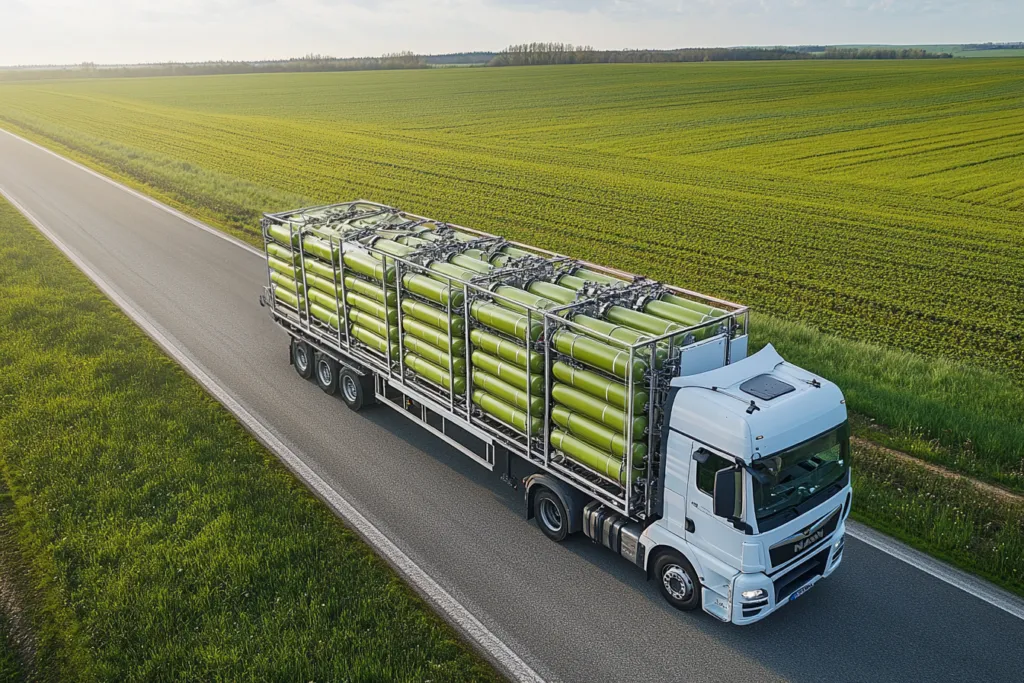
CNGCylinders.eu for CNG and hydrogen cylinders
CNGCylinders.eu is a Gaznet platform connecting CNG and hydrogen professionals to certified cylinders, MEGC systems, and technical resources.
News
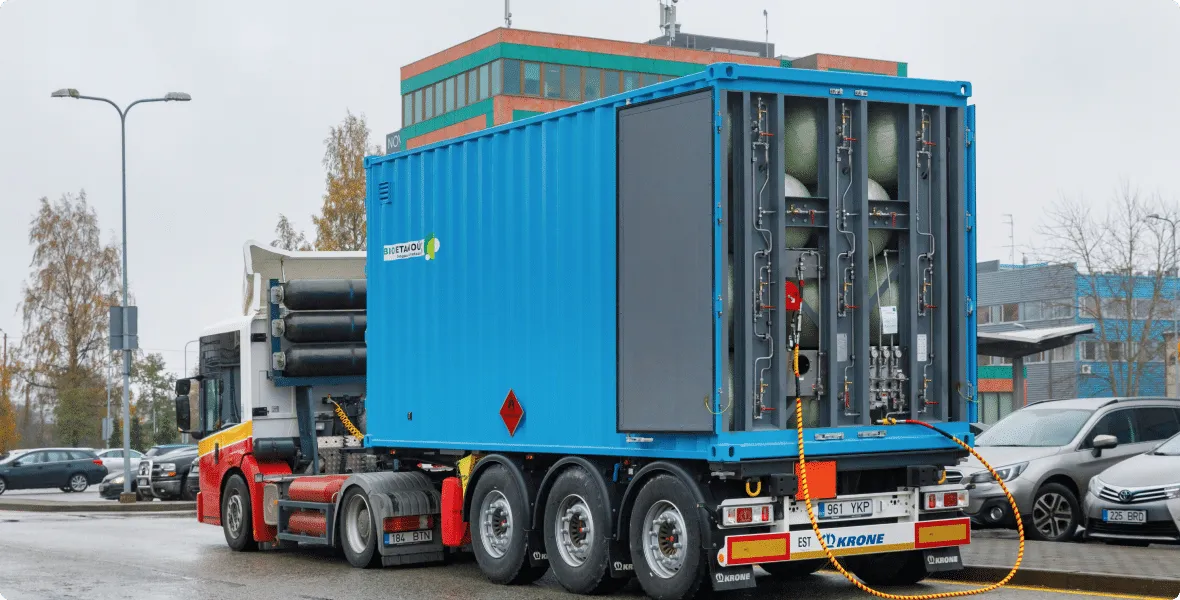
CNG vehicle conversion: cylinders and installation
How CNG vehicle conversion works, from choosing the right cylinder type to the installation sequence and when conversion makes sense.
Talk to our engineers
From CNG and biomethane to hydrogen — we'll scope your project and reply within one working day.