
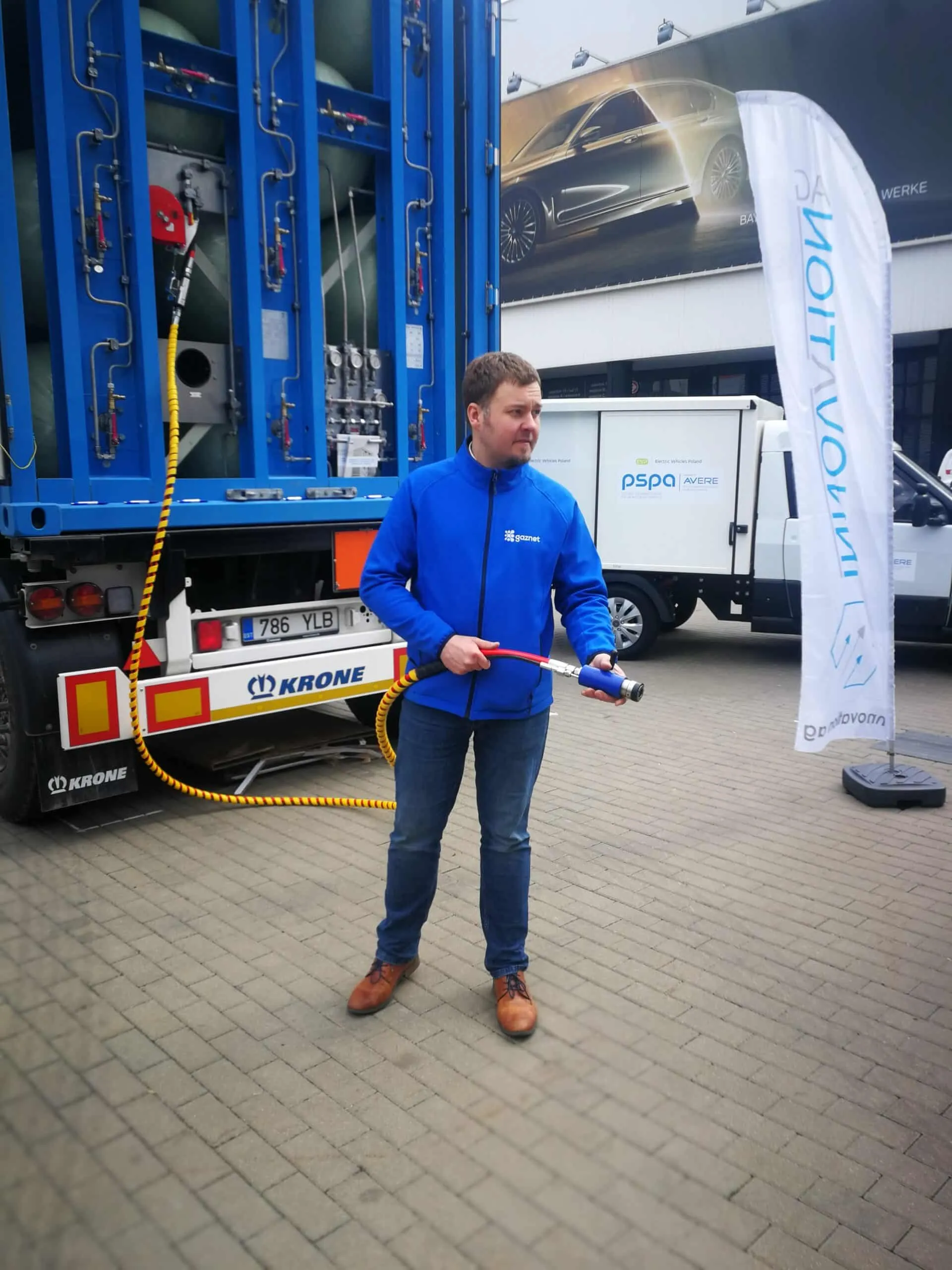
The conversation about CNG usually starts with cost — fuel price stability, lower per-kilometre running costs, simpler maintenance. But the environmental side is increasingly the deciding factor for fleet operators and industrial users. CNG storage and the wider distribution infrastructure that depends on it is a quietly significant lever for emissions reduction.
Lower carbon footprint vs liquid fuels
A CNG vehicle emits roughly 20–30% less CO₂ per kilometre than the diesel or petrol equivalent of the same age, plus much lower NOₓ and particulate output. Across an operating fleet — buses, delivery trucks, taxis — those reductions compound into meaningful air-quality and climate-impact numbers. Industrial users see similar per-energy-unit reductions when they switch from heating oil to CNG.
Energy-efficient compression
Compressing natural gas to CNG storage pressure (200–250 bar typically) takes a small fraction of the energy contained in the gas itself. Modern compressors recover heat and run on either grid electricity or a small slipstream of the gas being compressed. The energy overhead of “putting the gas in the cylinder” is well within the lifecycle accounting that makes CNG come out ahead environmentally.
Domestic supply
Natural gas is produced and consumed largely within the same regions, which avoids the lifecycle-emission overhead of intercontinental transport that liquid fuels carry. CNG-fueled fleets also enable energy-security stories that pure-import diesel fleets cannot.
Durable cylinders, less waste
CNG storage cylinders are built to last — composite Type-IV vessels routinely stay in productive service for two decades or more. Long service life means fewer replacement cycles, lower embodied energy per delivered unit of energy, and a smaller manufacturing footprint relative to total operating hours. End-of-life recycling captures most of the metal content (Type-1, Type-2, Type-3) and increasingly the composite content too (Type-4).
The BIO-CNG layer
CNG storage infrastructure is fuel-agnostic: the same cylinders, dispensers, and transport containers work for fossil CNG and for biomethane produced from organic waste. That continuity means a fleet running on fossil CNG today can transition to BIO-CNG without changing equipment as biomethane availability grows. Membrane upgrading, PSA, and water scrubbing all feed the same downstream distribution chain.
The summary
CNG storage cuts emissions at the tailpipe, supports the supply chain that decouples gas use from pipeline geography, and extends gracefully into renewable-energy territory through BIO-CNG. That combination is why operators thinking long-term — fleets, plants, station networks — keep landing on CNG as a transition fuel that travels alongside the renewable build-out rather than competing with it. If you’re scoping a project, the Gaznet product range covers the cylinders, MEGC containers, and station infrastructure to make the move.
Related reading
News
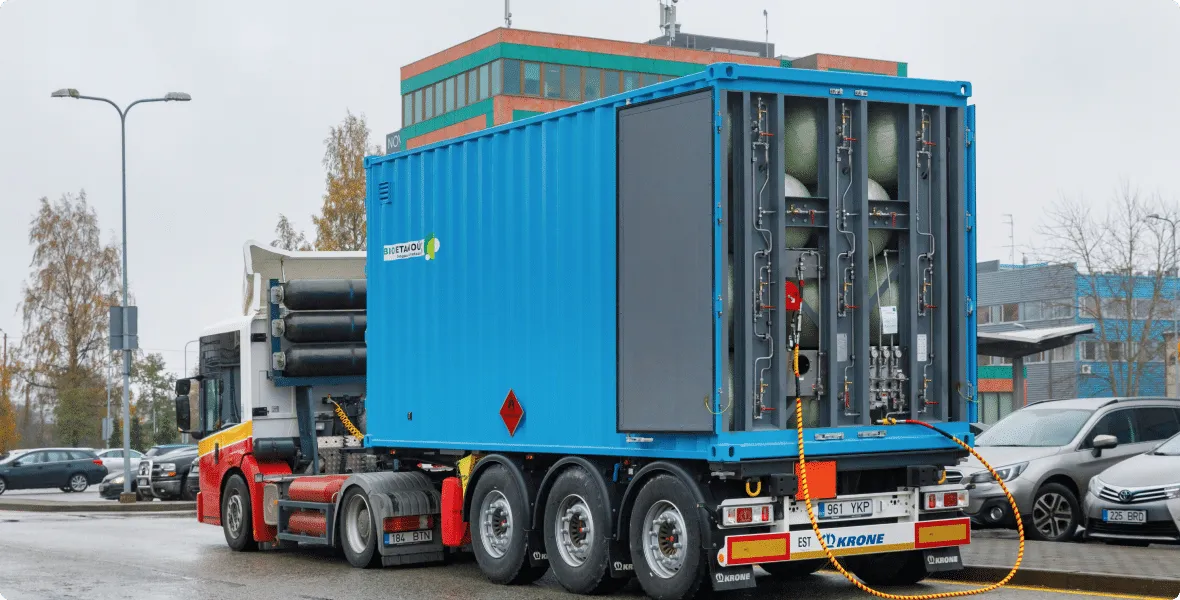
CNG vehicle conversion: cylinders and installation
How CNG vehicle conversion works, from choosing the right cylinder type to the installation sequence and when conversion makes sense.
News
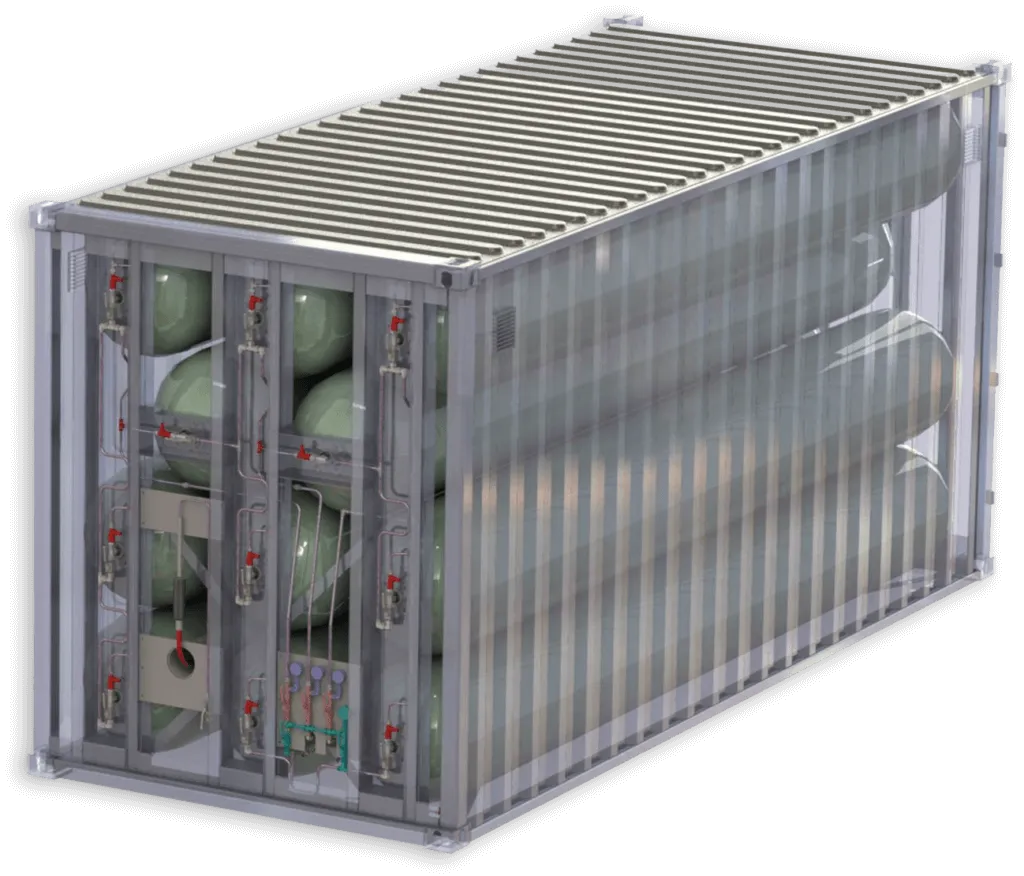
Safe CNG cylinder storage best practices
Practical CNG cylinder storage guidance — siting, ventilation, monitoring, and maintenance disciplines for residential and commercial settings.
News
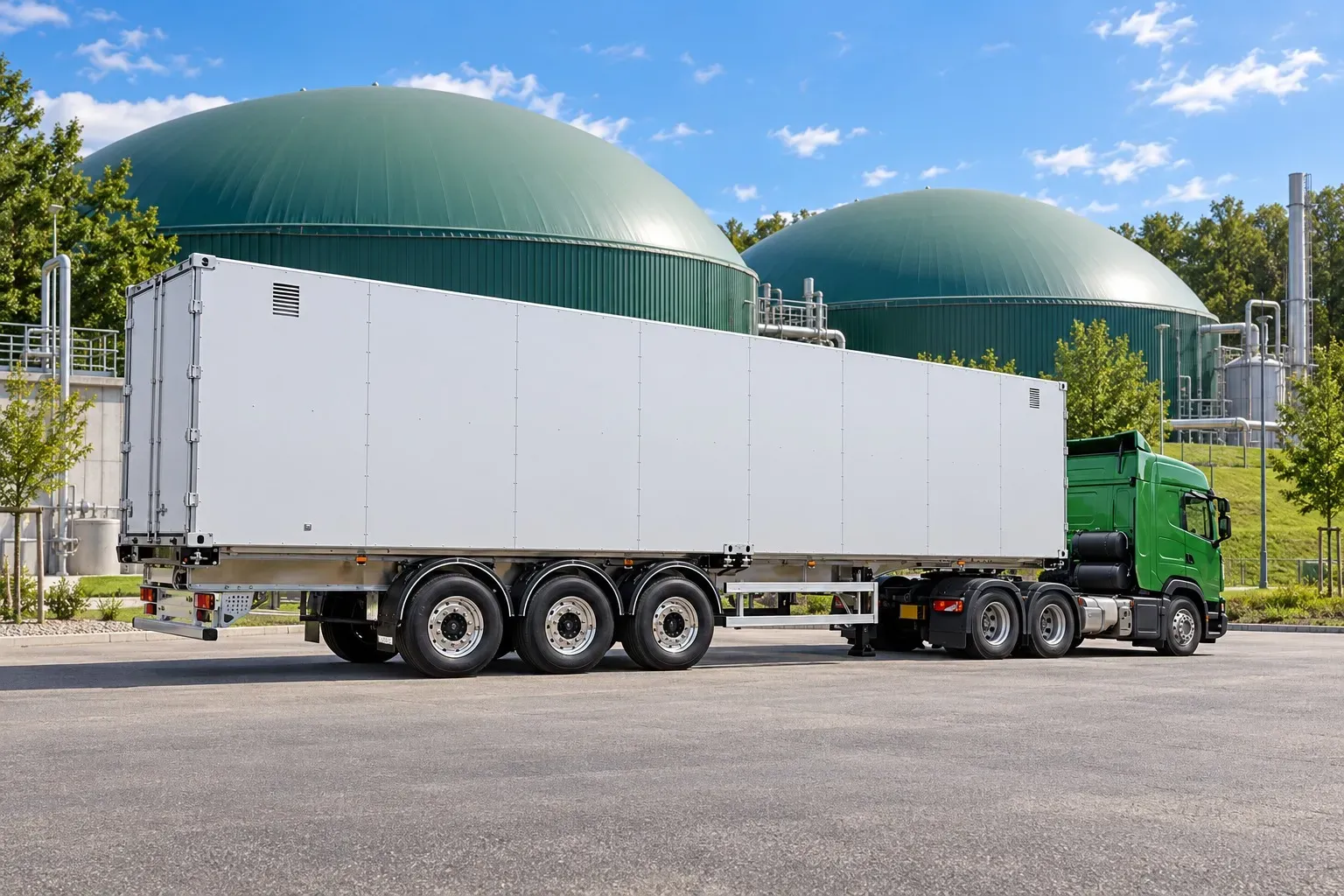
Meet us at BioPower 2026 in Warsaw, stand B36
Gaznet exhibits at BioPower 2026, 29 September – 1 October at Ptak Warsaw Expo, Hall C, stand B36. Meet us to plan biomethane transport in MEGC containers.
Talk to our engineers
From CNG and biomethane to hydrogen — we'll scope your project and reply within one working day.