
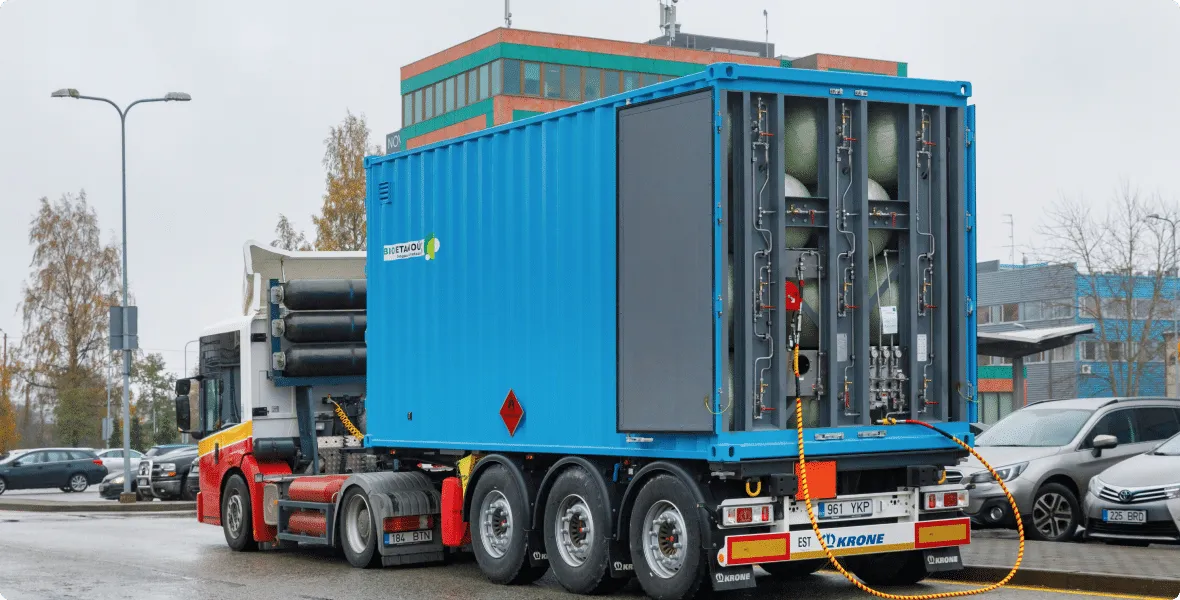
For a fleet operator already running petrol or diesel vehicles, conversion to CNG is one of the higher-leverage moves available — same chassis, lower fuel cost, lower emissions, often a strong ROI on a 3–5 year horizon. The conversion is not exotic engineering, but the cylinder choice and the installation discipline are what determine whether the result actually delivers.
Choosing the right cylinder
The five cylinder types — Type 1 through Type 5 — each have a sweet spot for vehicle conversion:
- Type 1 (all-steel) — heaviest, cheapest. Works for heavy commercial vehicles where weight isn’t the binding constraint and the boot/cargo penalty is acceptable.
- Type 2 (metal liner with hoop wrap) — moderate weight reduction, moderate cost. The middle-of-the-road option for medium commercial fleets.
- Type 3 (metal liner, full composite wrap) — significant weight reduction, higher cost. Light commercial and passenger applications where range and payload pay back the premium.
- Type 4 (polymer liner, full composite wrap) — lightest mainstream option, corrosion-free, the standard for hydrogen and high-end CNG applications. Best total-cost-of-ownership in mobile applications.
For most fleet conversions today, Type 3 or Type 4 is the right answer — the weight savings translate directly into payload, fuel economy, and longer cylinder service life.
The installation sequence
A competent CNG conversion follows a well-rehearsed pattern. The shop verifies the chassis is suitable; sources cylinders, mounting hardware, and the injection kit; installs the cylinder (boot for passenger cars, behind-cab or side-rail for trucks); plumbs the high-pressure side from cylinder valve through pressure-reducer to injection rail; integrates the electronic control unit with the existing engine management; commissions the system with leak tests and a road-test cycle; and produces the documentation (type approval, certificate of conformity, road-going inspection certificate where required).
Time on the lift varies — a passenger-car conversion is often a 1–2 day job; a heavy commercial vehicle takes longer because the cylinder bank and the routing are more involved. The end deliverable is a vehicle that runs CNG (or dual-fuel, with petrol fallback) and meets the same homologation it had before, with the CNG approval added.
Conversion vs factory-built CNG vehicles
For new vehicle purchases, factory-built CNG is usually the cleaner answer: the cylinder integrates into the chassis underbody, no boot penalty, factory-warranty coverage, and an OEM emissions certification you don’t have to chase. For existing fleet — vehicles already paid for and still mid-life — conversion is the way to capture the running-cost advantage without buying new.
Should you convert?
Three questions usually decide it:
- How much fuel does the vehicle burn per year? High-mileage vehicles repay the conversion fastest; low-mileage runarounds may not justify it.
- Is the refuelling infrastructure where you operate? A dedicated daughter station or convenient public CNG points within the route makes the running practical.
- Are you ready for a slightly different ownership pattern? Cylinder re-qualification on schedule, a second tank to manage, and a maintenance plan that knows what to look at — not difficult, but different.
If the answers point to conversion, our product range covers the cylinders and the supporting infrastructure. A scoping conversation gets you a configuration matched to your specific fleet and operating profile.
Related reading
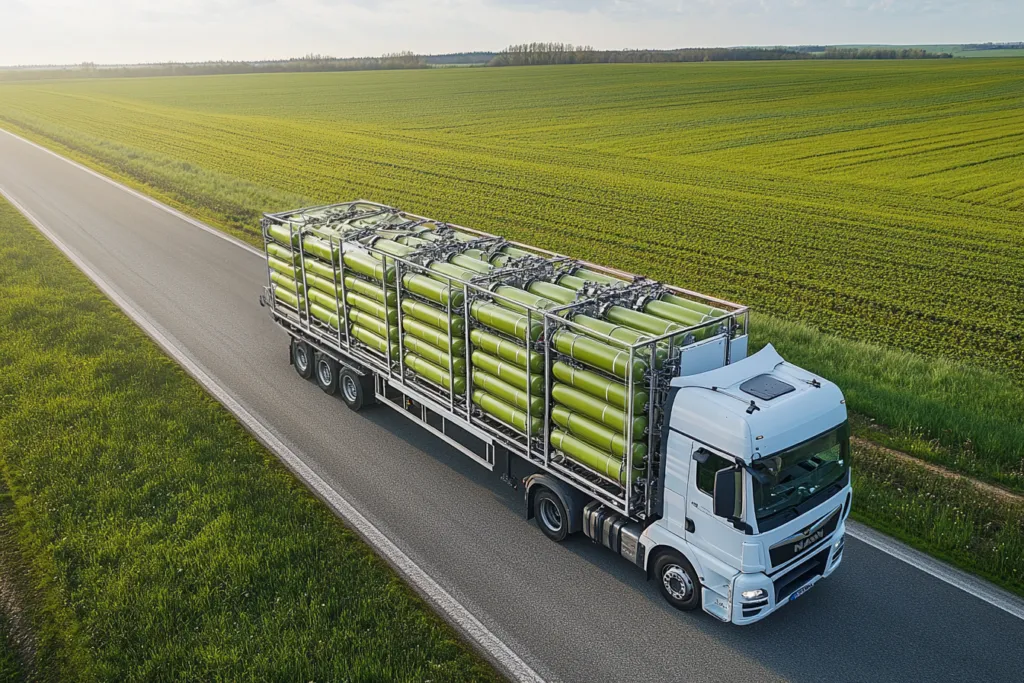
News
CNGCylinders.eu for CNG and hydrogen cylinders
CNGCylinders.eu is a Gaznet platform connecting CNG and hydrogen professionals to certified cylinders, MEGC systems, and technical resources.
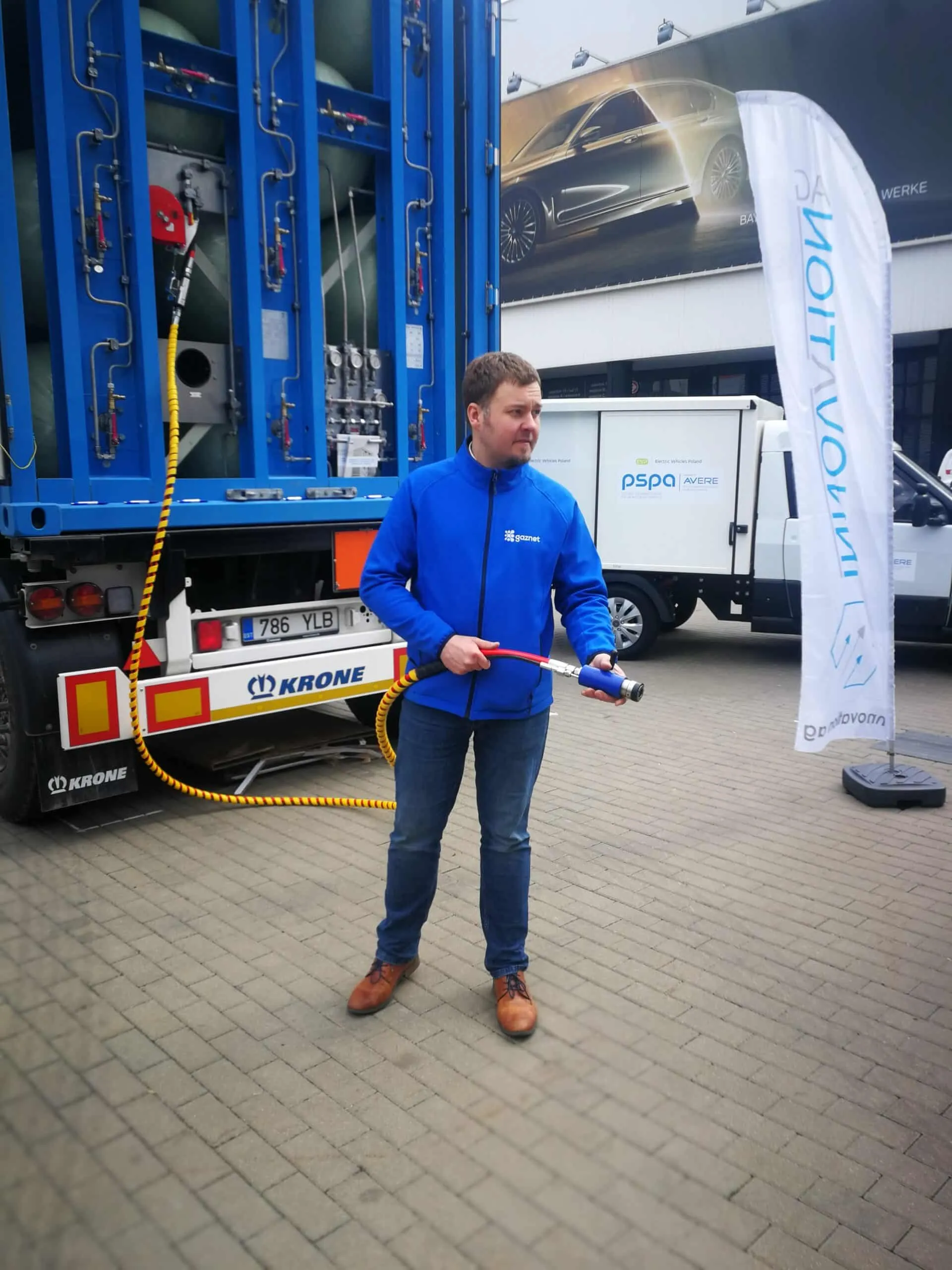
News
CNG storage environmental impact and emissions
Why CNG storage matters for emissions reduction, from lower carbon footprint and efficient compression to durable cylinders and renewable BIO-CNG.
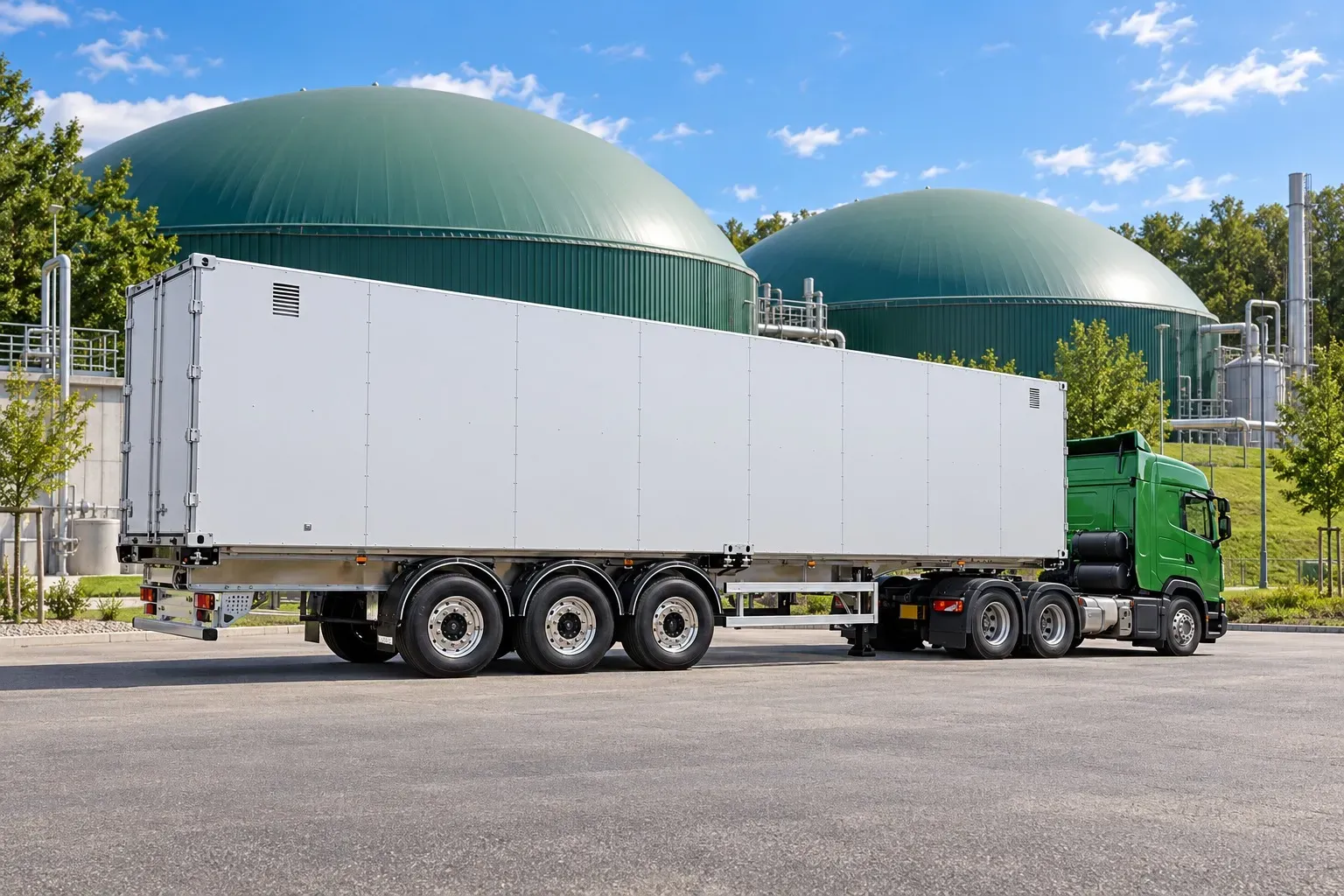
News
Meet us at BioPower 2026 in Warsaw, stand B36
Gaznet exhibits at BioPower 2026, 29 September – 1 October at Ptak Warsaw Expo, Hall C, stand B36. Meet us to plan biomethane transport in MEGC containers.
Talk to our engineers
From CNG and biomethane to hydrogen — we'll scope your project and reply within one working day.