
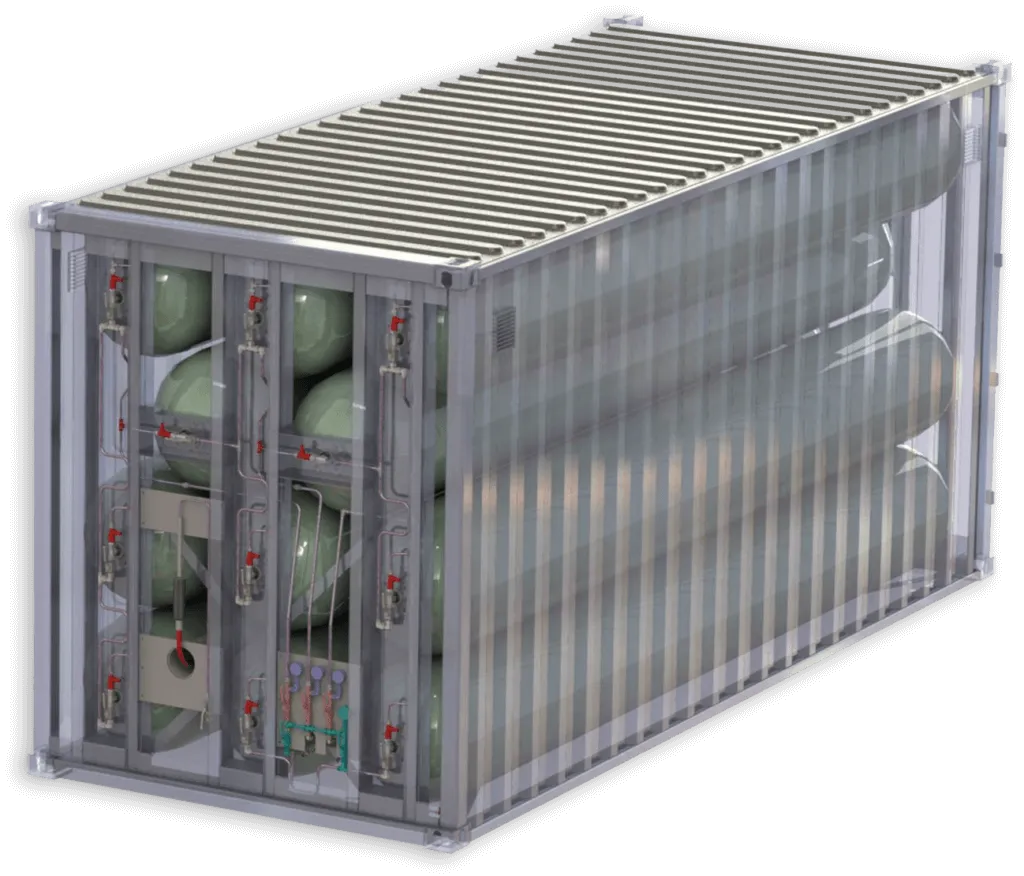
A CNG cylinder is a pressure vessel doing its job when nothing happens — no leaks, no temperature excursions, no impact damage. Most cylinder incidents trace back to storage choices that compounded over time: a damp corner that started corrosion, an unventilated basement that turned a slow leak into a real problem, a maintenance schedule that drifted from quarterly to “when we get to it.” Safe storage is mostly the discipline of not letting any of those compound.
What’s actually inside the cylinder
CNG is methane held at 200–300 bar in a pressure vessel built for the duty. The cylinder itself is robust — composite cylinders (Type-3 and Type-4) are corrosion-free and rated well above their working pressure. The vulnerable surfaces are the valves, the pressure-relief device, and any external coatings or markings that need to stay legible for compliance.
Siting
Site cylinders in cool, dry, well-ventilated locations. Avoid:
- Direct sunlight (temperature swings stress the seal materials over time).
- Confined or enclosed spaces (gas can accumulate; ventilation is non-negotiable).
- Nearby ignition sources (electrical equipment, heaters, hot work).
- High-impact-risk locations (cylinders should not be where vehicles or heavy equipment can strike them).
For commercial sites, a purpose-built cylinder cabinet or storage shed is usually the right answer — ventilated, separated from occupied areas by appropriate distance, and locked against unauthorised access.
Inspection and maintenance
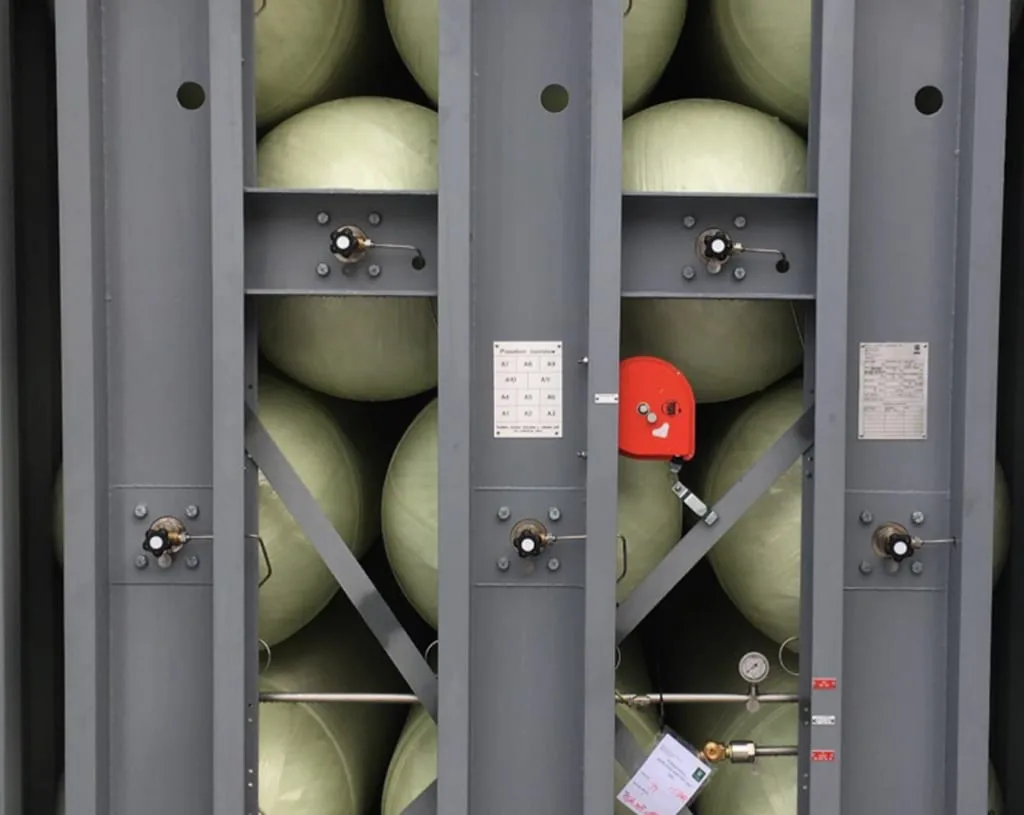
Schedule visual inspections (monthly is reasonable for active cylinders, quarterly for buffer storage). Look for: dents, scratches, corrosion (on metal cylinders), cracks or delamination (on composite cylinders), valve condition, pressure-relief-device condition, and the legibility of certification markings. Anything that looks wrong gets pulled and assessed by a competent technician before the cylinder goes back into service.
Beyond visual inspection, periodic re-qualification is what keeps a cylinder legally in service — typically every 5 years for most cylinder classes, though the specific schedule depends on the cylinder type and jurisdiction.
Pressure-relief and shut-off
Modern cylinders ship with thermal pressure-relief devices (TPRDs) that vent the cylinder safely if temperatures exceed the design envelope (e.g. in a fire). Shut-off valves at the cylinder neck and at any branch points let the operator isolate sections quickly. Both depend on routine inspection — a stuck valve or a TPRD that’s never been tested is no use when it matters.
Composite cylinders for safer storage
Modern composite cylinders are part of the safety story: lighter, easier to position correctly, free of corrosion that can compromise older steel cylinders, and engineered with multiple-redundancy fail-safes built in. Smart-monitoring systems — pressure transducers, temperature sensors, leak-detectors — increasingly come with the cylinder rather than as a retrofit.
Residential vs commercial
For residential CNG (typically heating systems or a single CNG vehicle), the key discipline is “right cabinet, right ventilation, right schedule.” For commercial sites — a daughter station, a fleet refuelling installation, or an industrial buffer — the equivalent is “right design, right documentation, right operator training.” Both fail in the same way: when the routine quietly stops being routine.
If you’re scoping a residential or commercial CNG installation, our product range and a scoping conversation are the right starting points.
Related reading
News
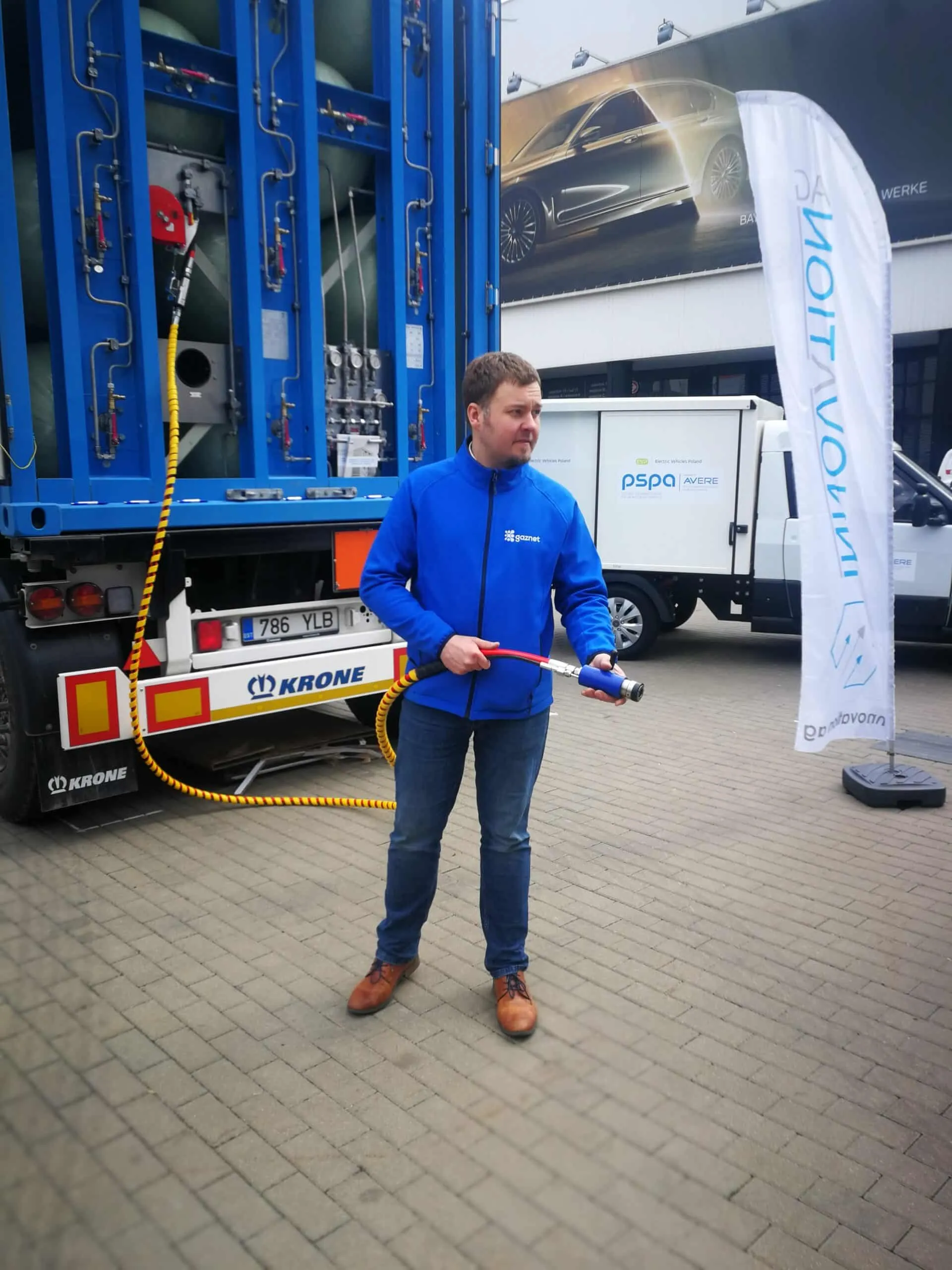
CNG storage environmental impact and emissions
Why CNG storage matters for emissions reduction, from lower carbon footprint and efficient compression to durable cylinders and renewable BIO-CNG.
News
CNG cylinder inspection and maintenance
What CNG cylinder inspection involves, including visual checks, valve condition, leak testing, and professional re-qualification for longer service life.
News
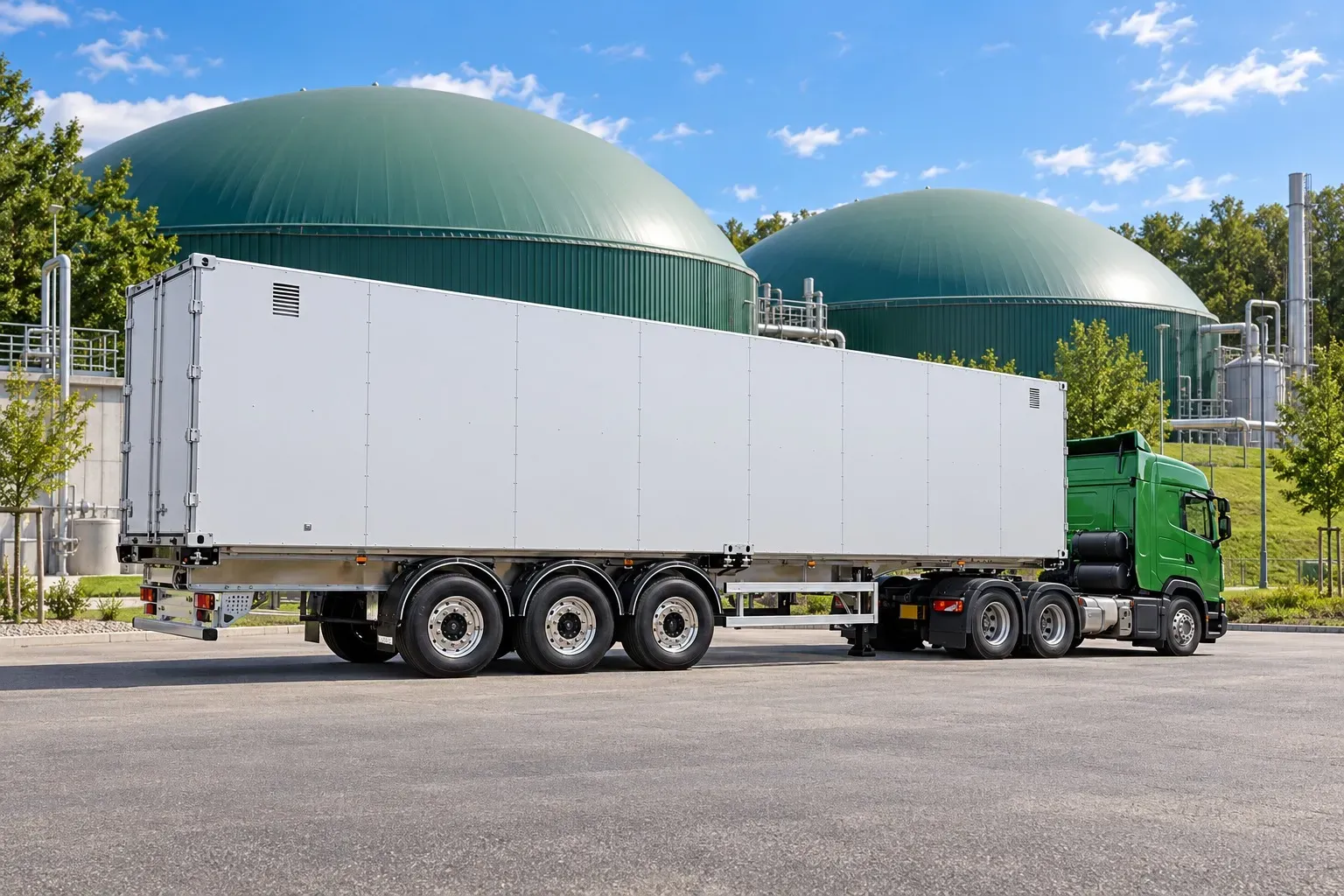
Meet us at BioPower 2026 in Warsaw, stand B36
Gaznet exhibits at BioPower 2026, 29 September – 1 October at Ptak Warsaw Expo, Hall C, stand B36. Meet us to plan biomethane transport in MEGC containers.
Talk to our engineers
From CNG and biomethane to hydrogen — we'll scope your project and reply within one working day.