
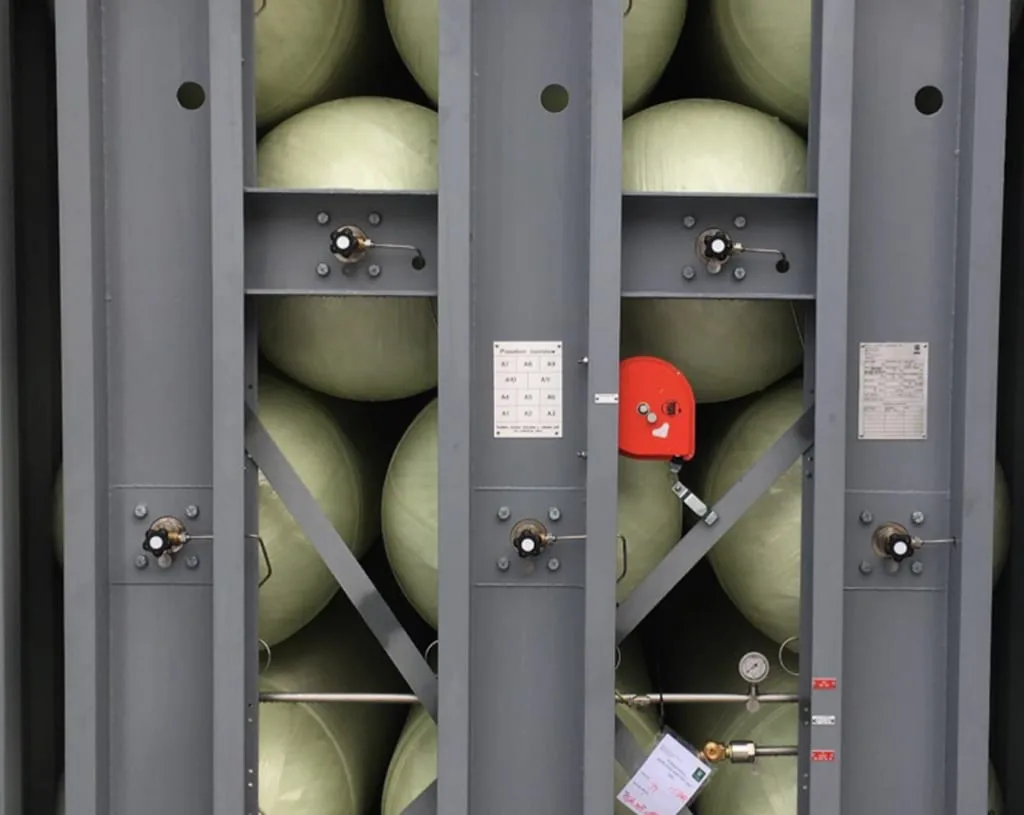
A CNG cylinder will outlast the vehicle it’s mounted on if it’s looked after properly. The inspection routine is not complicated: visual checks the operator can do, valve and connection checks the operator can also do, and periodic professional re-qualification that needs a competent technician with the right test equipment. Each piece reinforces the next.
Storage as the starting point
Longevity begins with storage. Cylinders held in cool, dry, well-ventilated locations away from direct sun and ignition sources will reach their full design life with much less attention than cylinders stored carelessly. For residential and commercial sites, a purpose-built cabinet or shed is the easiest way to get the conditions right.
Visual inspection — what you can do
A monthly walk-around for active cylinders catches most issues early. Look for:
- External damage — dents, scratches, gouges, abrasion. Composite cylinders show damage differently from steel; learn what your specific cylinder type looks like in good condition so you can spot deviations.
- Corrosion — particularly on steel-bodied Type-1 and Type-2 cylinders. Surface rust gets worse if ignored.
- Coating condition — many cylinders have an external coating that protects against environmental damage and carries the certification markings. If the coating is failing or markings are illegible, the cylinder needs attention.
- Valve condition — check the manual shut-off valve operates smoothly, the threads are clean, and the valve protection cap (if fitted) is in place.
- Pressure-relief device — visual condition; PRD should be free of obstruction, properly seated, and within its service date if applicable.
Valves and fittings
Beyond the cylinder body, the valve and any connected fittings (pressure regulators, dispenser nozzles, distribution manifolds) deserve their own attention. Worn threads, corroded connections, or seals that have hardened with age are common failure points. Replace consumable parts on a schedule rather than waiting for them to fail.
Leak detection
A simple soapy-water test is enough to find most leaks at valves and connections — apply, watch for bubbles, address what you find. For active fleet operations, fixed gas-detection sensors at storage and refuelling points provide continuous coverage. Anything beyond a trace leak that “doesn’t go away after a connection re-tighten” is a competent-technician job.
Professional re-qualification
Visual inspection is necessary but not sufficient. Periodic re-qualification by a certified technician — typically every 5 years for most cylinder classes — is what keeps a cylinder legally in service and structurally trusted. Re-qualification involves a deeper inspection (ultrasonic NDT, hydrostatic re-test, valve service), all documented and traceable. Skipping the schedule means the cylinder’s certification lapses; using a lapsed cylinder is a compliance and safety problem.
The frequency depends on cylinder type and jurisdiction. The Gaznet approach is to ship every cylinder with a recommended schedule and to support operators on the inspection and re-qualification side.
The discipline that pays back
Inspection and maintenance is the cheapest insurance available — small, regular effort that prevents the rare but expensive failures. Operators who run Gaznet’s product range inherit a maintenance plan as part of the delivery; if you’re inheriting cylinders from another supplier, the Gaznet team can help you set up a credible inspection schedule from where you are now.
Related reading
News
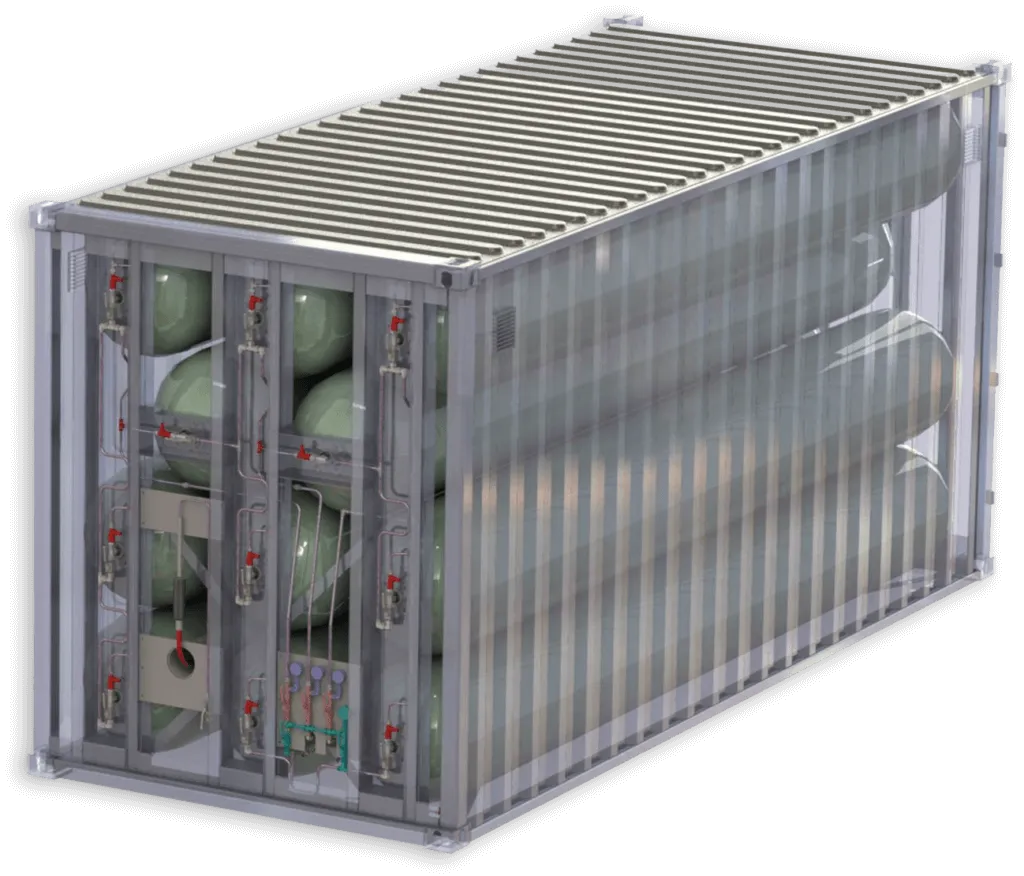
Safe CNG cylinder storage best practices
Practical CNG cylinder storage guidance — siting, ventilation, monitoring, and maintenance disciplines for residential and commercial settings.
News
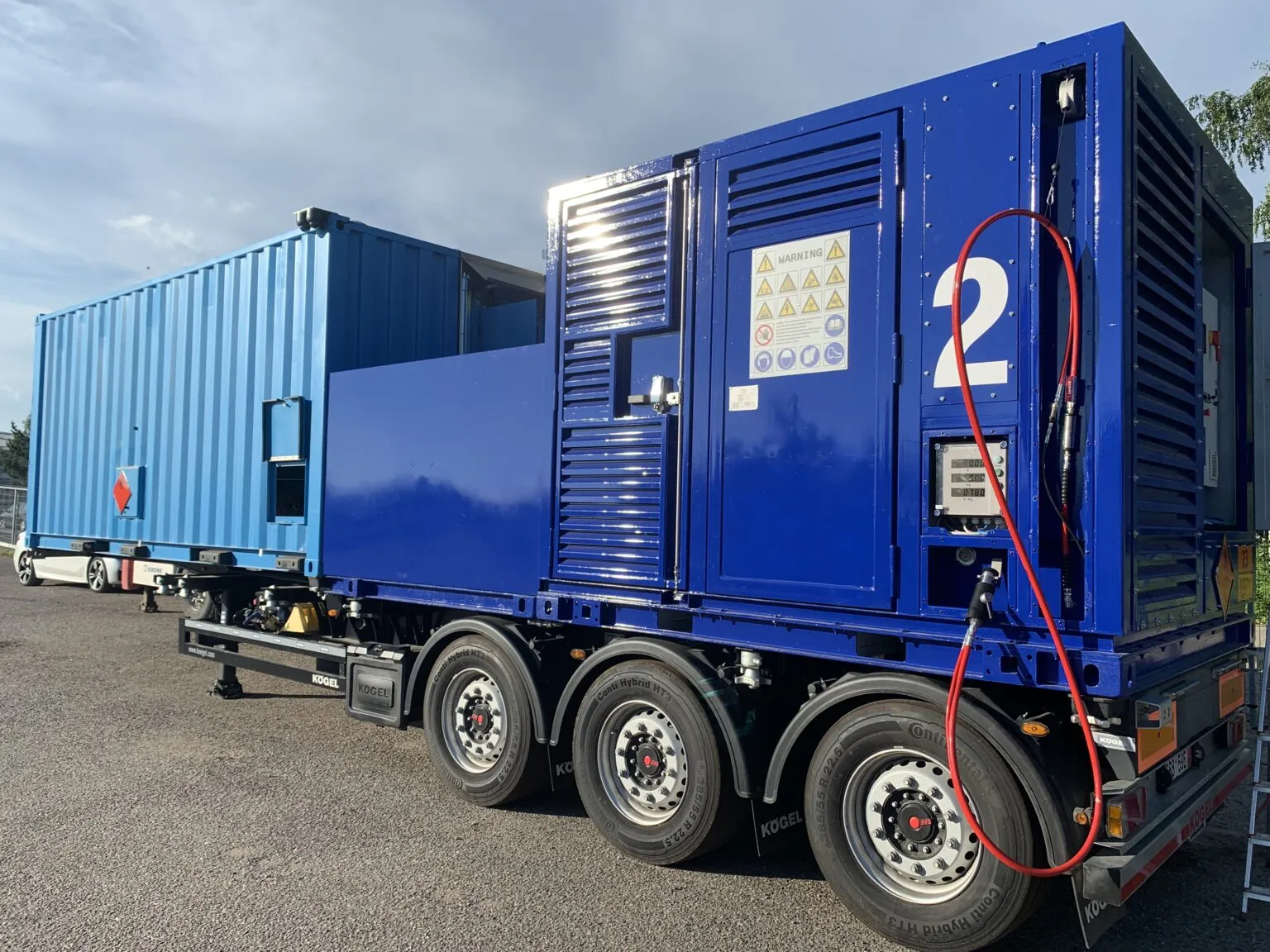
CNG vs LNG storage — pros and cons for different applications
How CNG and LNG compare for storage and transport — energy density, range, infrastructure complexity, and which is the right choice for your specific use case.
News
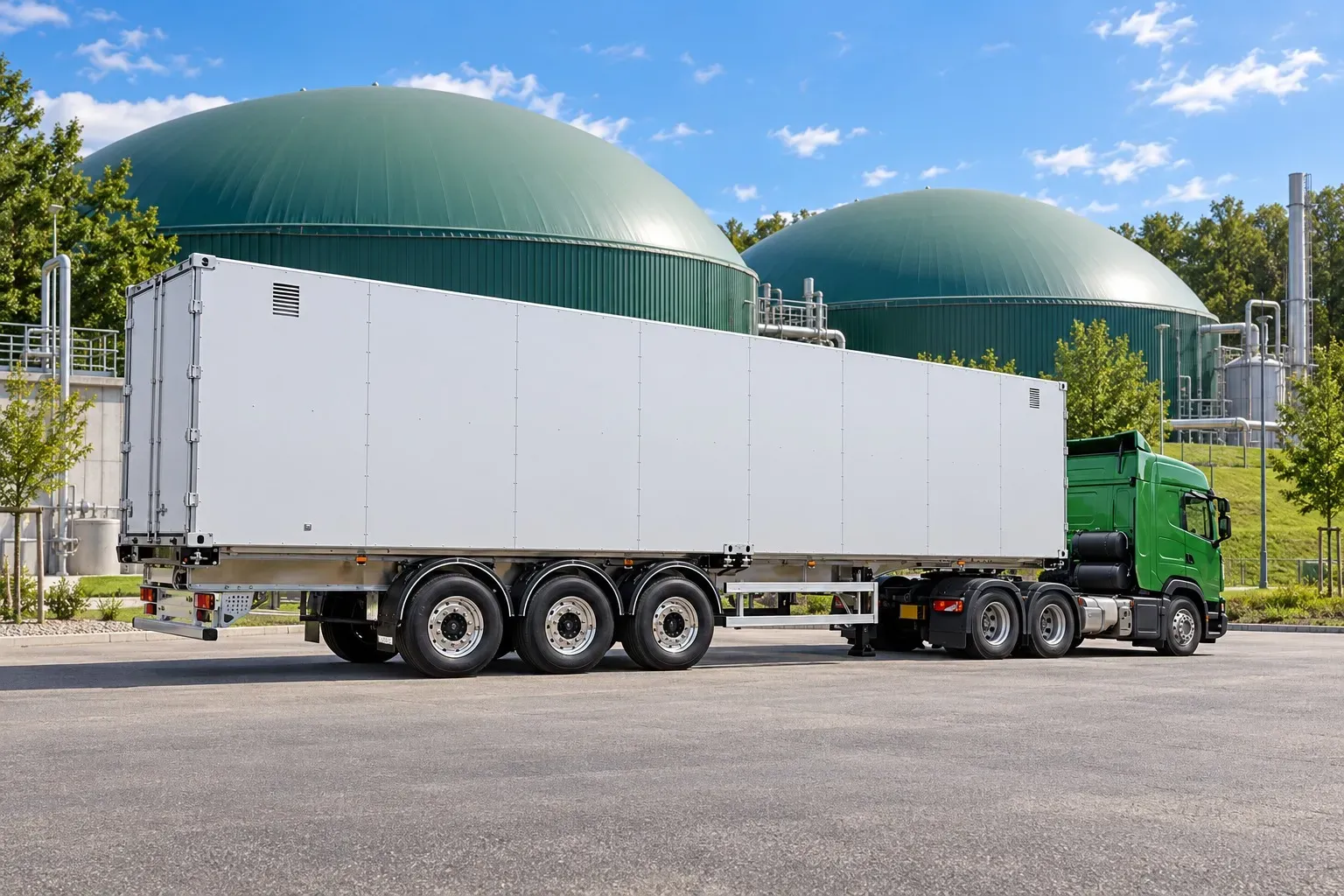
Meet us at BioPower 2026 in Warsaw, stand B36
Gaznet exhibits at BioPower 2026, 29 September – 1 October at Ptak Warsaw Expo, Hall C, stand B36. Meet us to plan biomethane transport in MEGC containers.
Talk to our engineers
From CNG and biomethane to hydrogen — we'll scope your project and reply within one working day.