
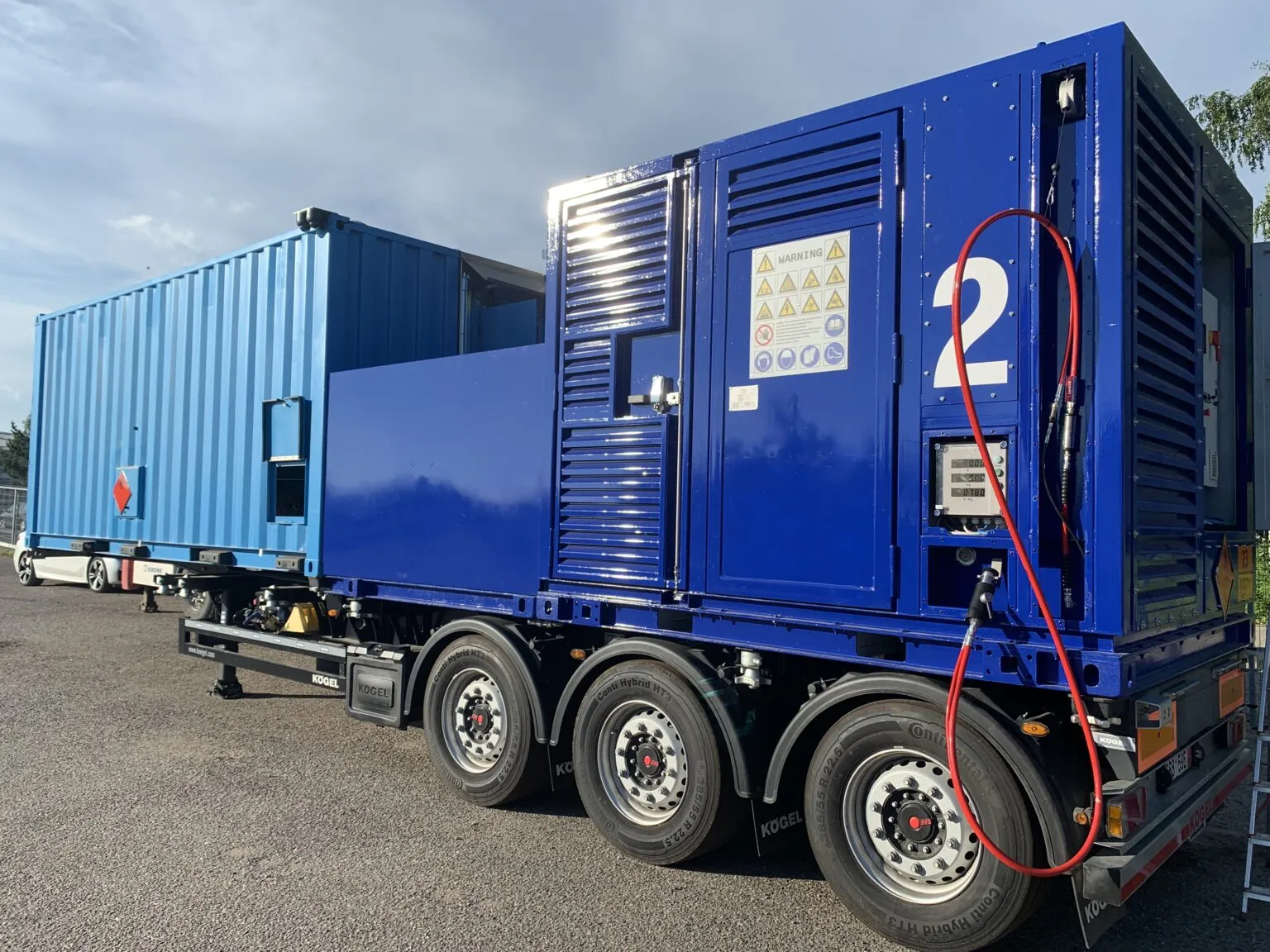
CNG and LNG are both natural gas — same molecule, different storage state. CNG is held under pressure as a gas; LNG is liquefied at very low temperature. Each route has a distinct economic and operational profile, and the right answer depends on the throughput, the distance, and the application. There is no universal winner.
CNG — compact, versatile, simpler
CNG is held in pressure vessels at 200–300 bar. The cylinders are well-understood, inspectable, and available in a wide range of types and sizes. Refuelling infrastructure is mature in most regions, and the energy-density numbers are good enough for most light and medium-duty mobile applications. Emissions per km are markedly lower than petrol or diesel, and the cost-per-energy-unit picture is favourable.
Where CNG wins:
- Short to medium-haul transport (urban buses, delivery fleets, taxis).
- Industrial heat, residential heating, distributed power generation.
- Off-pipeline customers reachable by truck via MEGC or tube-trailer delivery.
- Smaller-scale daughter-station economics.
Where CNG loses:
- Long-haul heavy transport — the volumetric energy density doesn’t compete with LNG’s at the range required.
- Marine applications — same reason; vessel range and bunker volume favour LNG.
LNG — denser, longer range, more infrastructure
LNG is natural gas chilled to about −163 °C until it liquefies, at which point it occupies roughly 1/600 of its gaseous volume. That density advantage is massive: a litre of LNG carries far more energy than a litre of CNG. The trade-off is the cryogenic infrastructure required — vacuum-insulated storage tanks, specialised dispensers, ongoing boil-off management.
Where LNG wins:
- Long-haul heavy trucks (range matters; refuelling stops are at depots, not service stations).
- Marine bunkering — large-vessel propulsion fuel.
- Cross-border or intercontinental gas trade — LNG is the dominant trade form.
- Sites with high steady-state demand and the operational maturity to run cryogenic equipment.
Where LNG loses:
- Light and medium-duty mobile applications — the cryogenic overhead doesn’t pay back at the consumption rates involved.
- Smaller industrial users — CNG handling is simpler and cheaper at this scale.
- Off-grid distribution where cryogenic infrastructure is the rate-limiter.
The safety dimension
Both fuels are well-engineered, but the failure modes differ. CNG is gaseous; in a leak, it disperses upward (lighter than air) and the leak area becomes safe quickly. LNG is liquid; a leak forms a cold pool that vaporises slowly, and the cold itself causes additional issues (flesh contact, brittle steel, reduced ventilation effectiveness). Operationally, CNG handling is closer to gasoline-station discipline; LNG handling is closer to industrial cryogenics — different training, different PPE, different incident response.
Picking the right one
For most non-extreme applications, CNG is the simpler, cheaper, lower-overhead answer. LNG dominates where range and density are the binding constraints. Many operators run both — LNG for long-haul, CNG for distribution, with the cylinders and the infrastructure split appropriately.
If you’re scoping a project, our product range covers the CNG side comprehensively — Type-IV cylinders, MEGC, tube-trailer, mobile filling stations, and stationary storage. A scoping conversation is the fastest way to figure out whether CNG fits your case or whether LNG is the better answer.
Related reading
News
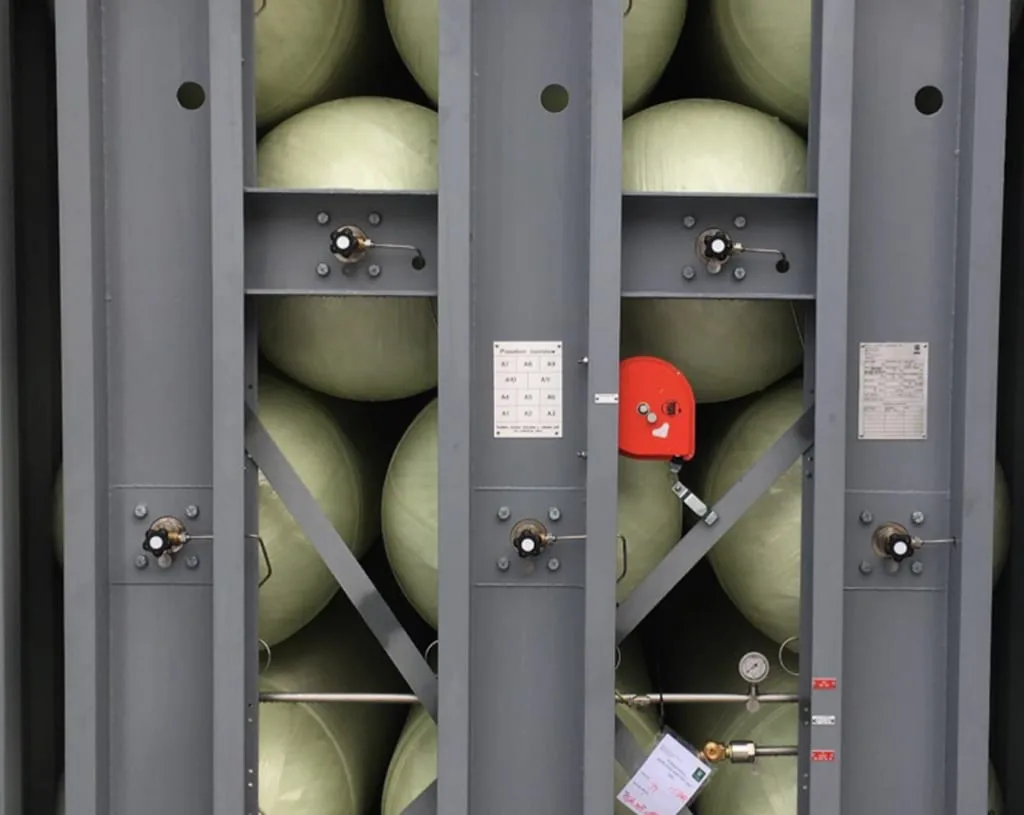
CNG cylinder inspection and maintenance
What CNG cylinder inspection involves, including visual checks, valve condition, leak testing, and professional re-qualification for longer service life.
News
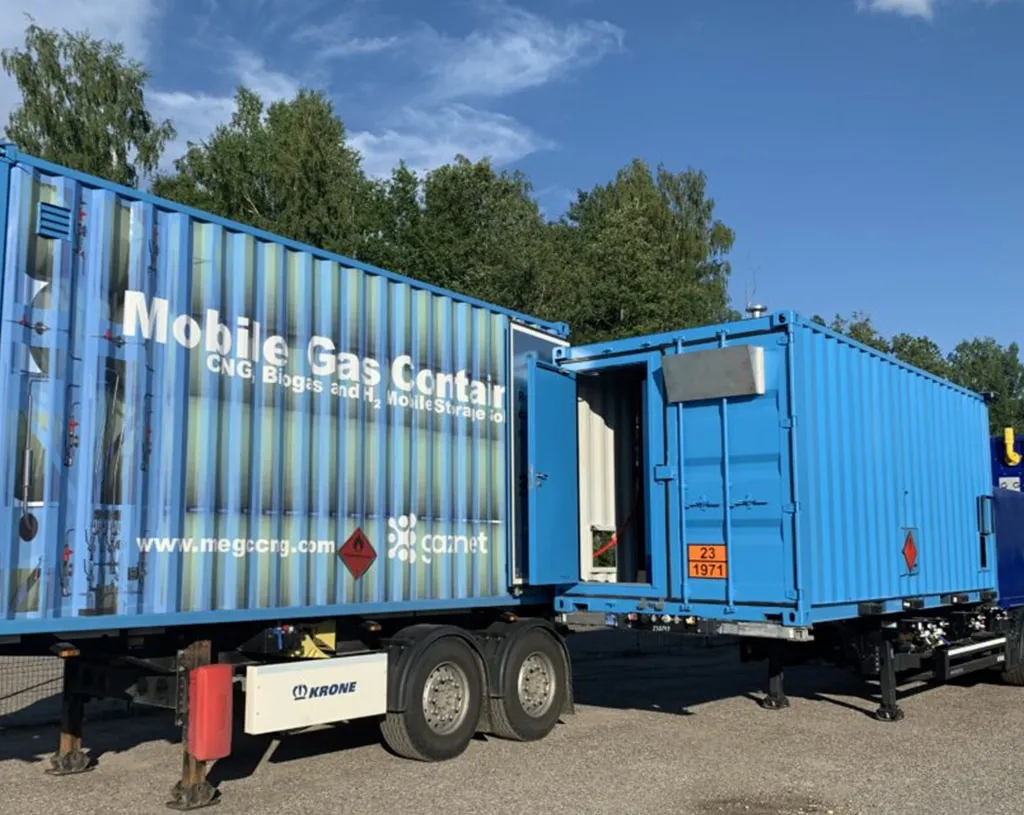
Type-4 CNG cylinders in the automotive industry
Why Type-4 composite CNG cylinders fit automotive applications, with weight savings, fuel efficiency, corrosion resistance, and chassis integration.
News
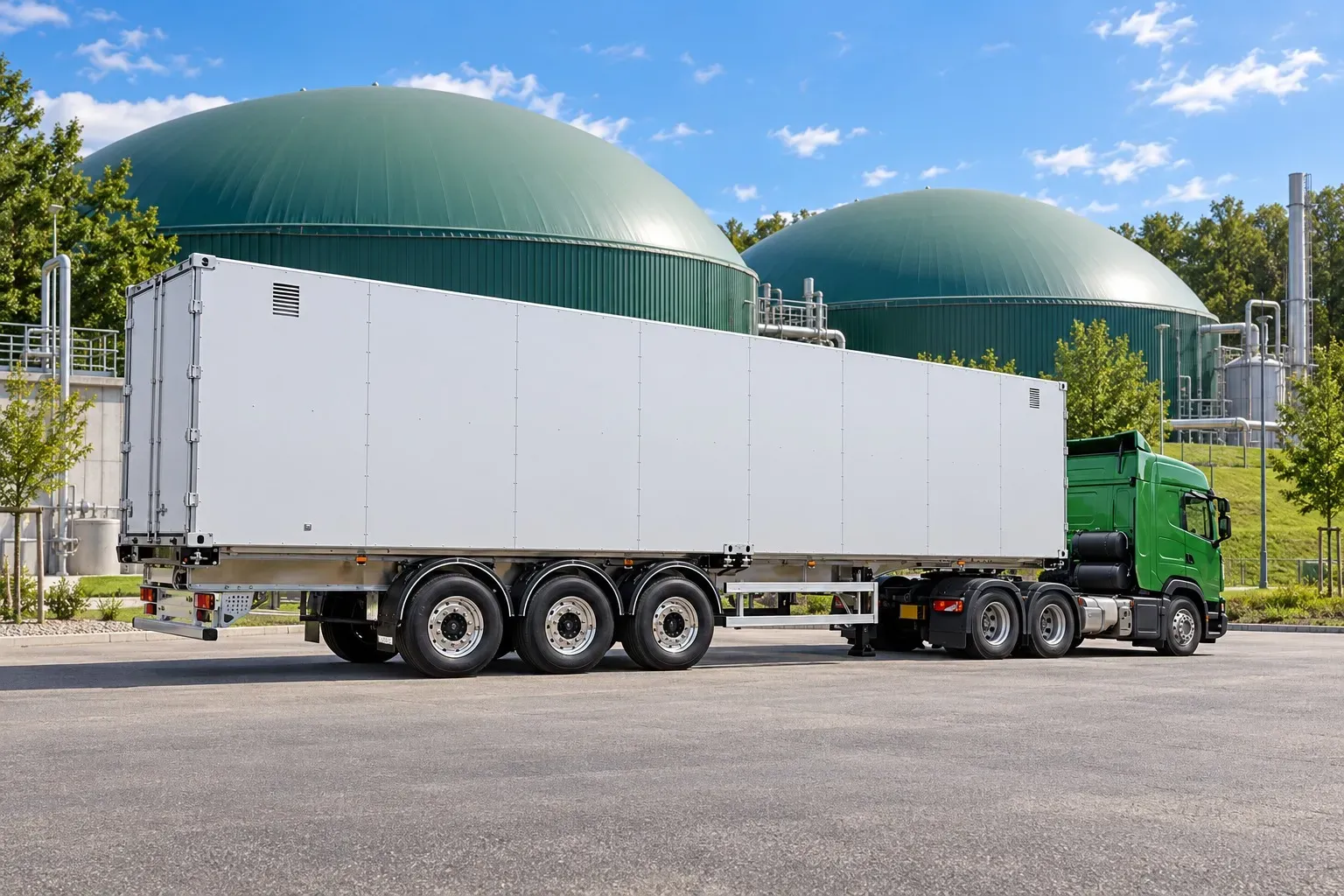
Meet us at BioPower 2026 in Warsaw, stand B36
Gaznet exhibits at BioPower 2026, 29 September – 1 October at Ptak Warsaw Expo, Hall C, stand B36. Meet us to plan biomethane transport in MEGC containers.
Talk to our engineers
From CNG and biomethane to hydrogen — we'll scope your project and reply within one working day.