

Compressed Natural Gas is a low-emission fuel with a strong safety record, but a handful of myths about cylinder behaviour persist. Most of them date from comparisons with petrol or LPG that don’t actually hold up once you look at how a CNG cylinder is built and tested. Three of the most common come up below.
Myth 1 — “CNG cylinders are prone to exploding”
CNG cylinders are pressure vessels designed and certified to operate at the working pressures expected of them, with safety margins of 3–4× built into the design. They pass burst tests, fire tests, fatigue cycling, and impact tests as part of type approval. Real-world cylinder failures are extremely rare and overwhelmingly trace back to misuse, neglected maintenance, or external impact damage that should have triggered a re-qualification before the cylinder went back into service. When pressure-relief devices and routine inspections are in place, the explosion-risk story doesn’t match the engineering data.
Myth 2 — “CNG is highly flammable, so it must be dangerous”
CNG is flammable — every fuel is. But two facts make it less dangerous in practice than petrol or diesel: it has a narrow flammable concentration range in air (roughly 5–15%), and its autoignition temperature (around 540 °C) is significantly higher than petrol’s. In a leak, CNG rises and disperses quickly because it’s lighter than air, rather than pooling on the ground the way liquid fuel does. Combined with reinforced cylinder construction and shut-off valves, the fire scenario for a CNG vehicle is markedly less severe than the equivalent liquid-fuel one.
Myth 3 — “CNG cylinders leak easily”
Modern cylinders are equipped with pressure-relief devices and automatic shut-off valves precisely to manage the unlikely-but-possible leak case. The bigger lever is upkeep: regular inspection and maintenance, valve checks, and visual condition surveys catch the small issues before they become real ones. A soapy-water test around valves is enough to surface a slow leak in field conditions.
The pattern under the myths
Every concern is real in the abstract. What the engineering — and the operating record — actually show is that proper handling, certification, and routine maintenance keep CNG cylinders inside safe operating envelopes. If you’re sourcing equipment, look for valid certification, traceable test records, and a maintenance plan you can defend; that’s what separates a confident installation from one that will eventually trigger a real incident. Our product range ships with that paperwork as standard.
Related reading
Energy
CNG cylinder recycling and end-of-life disposal
How CNG cylinders are recycled at end of life, including steel and aluminium recovery, long service life, and responsible disposal practices.

Energy
CNG cylinder certification and testing
How CNG cylinder certification works in practice, from design evaluation and production testing to type approval and periodic re-qualification.
Energy
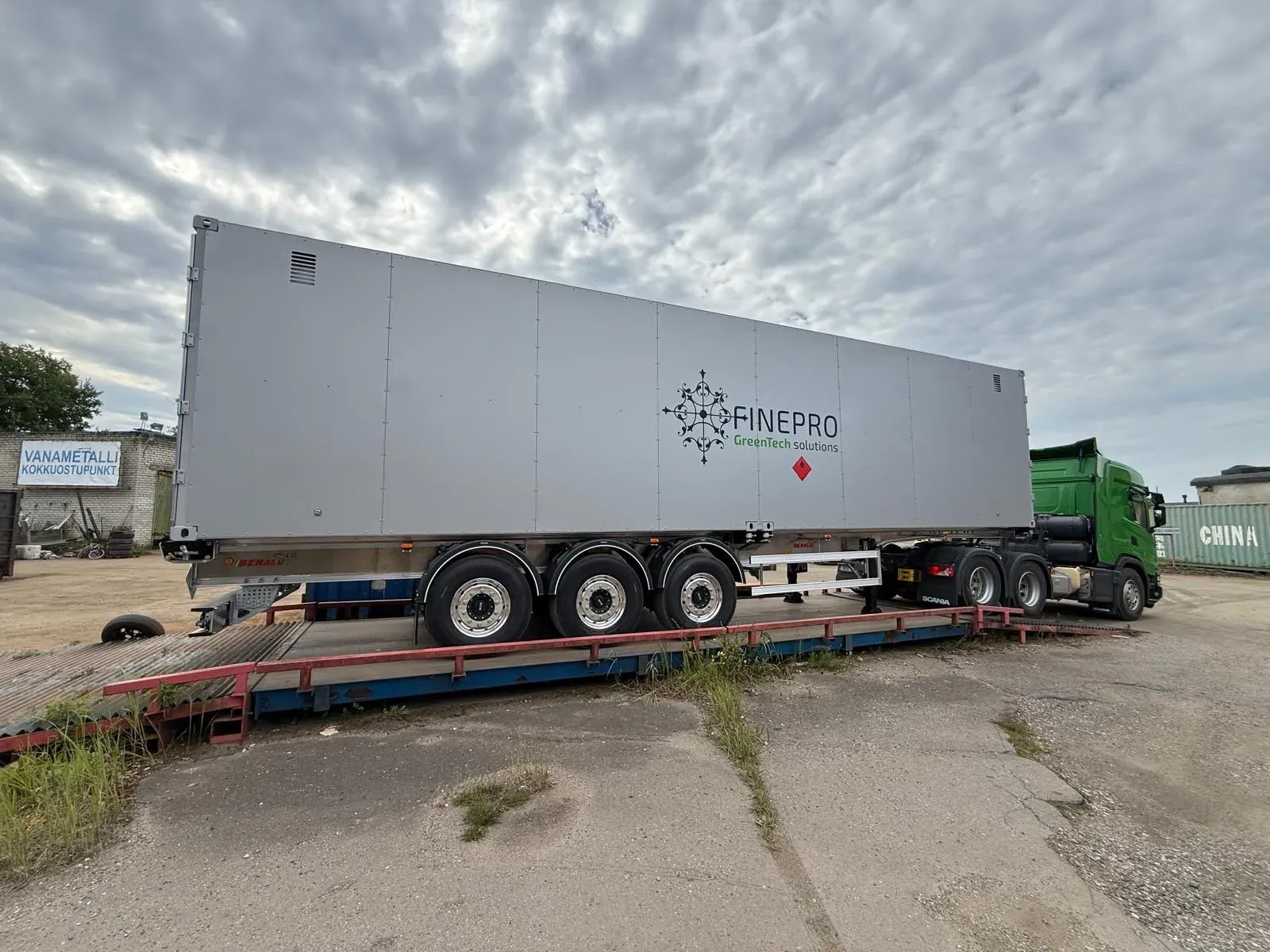
20 ft vs 40 ft MEGC: where the money actually is
The 40 ft MEGC is not cheaper per Nm³ to buy — cylinders are 75% of the cost and scale linearly. Its entire advantage is in the truck. Here is the break-even.
Talk to our engineers
From CNG and biomethane to hydrogen — we'll scope your project and reply within one working day.